
Yellow Onion vs White Onion: Which is Best for Caramelization, Raw Flavor, and Cooking Texture?
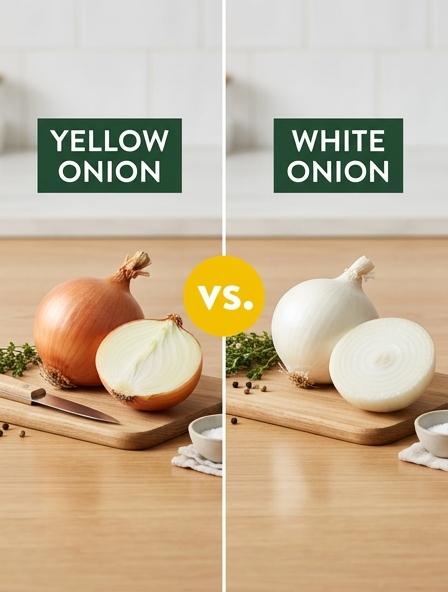
Flavor Intensity and Heat Levels in Raw Applications
Understanding the nuances between yellow and white onions is essential for balancing raw dishes. Yellow onions are characterized by a high sulfur content, resulting in a deep, complex pungency that lingers on the palate. While flavorful, their raw intensity can be abrasive, often requiring a quick soak in cold water to mellow the bite.
In contrast, white onions offer a sharper, more immediate heat that hits the front of the tongue but finishes much cleaner. Key differences include:
- Yellow Onion: Heavy sulfur, lingering aftertaste, and rich pungency.
- White Onion: High water content, sharp "zing," and a crisp, crunchier texture.
While yellow onions provide a robust background, white onions are prized for their bright, assertive contrast. You will likely prefer the clean, sharp crunch of a finely diced white onion when topping authentic street tacos or garnishing a fresh bowl of chili to cut through the richness of the protein.
Natural Sugar Content and Caramelization Rates
The culinary distinction between yellow and white onions is largely defined by their chemical makeup, specifically the balance of sulfur and natural sugars. Yellow onions are the superior choice for heat-based applications because they possess a significantly higher sugar content. While white onions are sharper and more pungent due to higher sulfur levels, they lack the sweetness required for deep browning.
- Yellow Onions: High sugar levels allow for the Maillard reaction to occur effectively, resulting in a rich, savory sweetness.
- White Onions: Lower sugar content means they soften and become translucent but rarely achieve a dark, jammy consistency.
Home cooks typically reach for yellow onions when they want to spend forty minutes slow-cooking them into a mahogany-colored base for a traditional, comforting French onion soup.
Cellular Structure and Texture Retention in Long Cooks
The primary difference between yellow and white onions during extended cooking lies in their cellular composition. Yellow onions possess a higher sulfur content and more robust cell walls. This structural integrity allows them to withstand prolonged heat without disintegrating, making them the superior choice for braises and stews.
In contrast, white onions have a higher water content and more delicate membranes. When subjected to long simmer times, their cellular structure collapses rapidly, leading to a softer, less defined texture.
- Yellow Onions: Retain their physical shape and develop a jammy sweetness during caramelization.
- White Onions: Soften quickly and often dissolve into the liquid, acting as a natural thickening agent.
Chef-led kitchens typically prefer yellow onions for a classic French Onion Soup because they maintain a distinct, tender bite even after hours of simmering in broth.
Sulfur Concentration and Digestive Sensitivity
The chemical profile of onions is defined by organosulfur compounds, which provide both their pungent aroma and medicinal properties. Yellow onions typically contain a higher concentration of sulfur than white onions. While this makes them the gold standard for caramelizing and long-cooking processes, the high sulfur and fructan content can trigger digestive distress in sensitive individuals.
When comparing the two for digestive comfort, consider these factors:
- Yellow Onions: Higher sulfur levels; more likely to cause lingering breath and acid reflux.
- White Onions: Higher water content; slightly lower sulfur intensity, offering a cleaner finish.
For those with IBS or general sensitivity, the intense compounds in yellow onions may lead to bloating or gas more frequently than the slightly milder white variety.
You might prefer the crisp, sharp bite of a raw white onion on your summer burgers if you want that classic crunch without the heavy, sulfurous aftertaste that often follows a yellow onion.
Antioxidant Profiles and Nutritional Variations
While both varieties are nutritional powerhouses, yellow onions generally boast a higher concentration of beneficial compounds. They are particularly rich in quercetin, a potent antioxidant linked to heart health and anti-inflammatory benefits. White onions, though slightly lower in total antioxidant density, provide a cleaner nutritional profile with a higher water content and subtle mineral differences.
- Yellow Onions: Contain higher levels of sulfur compounds and phenolic content, which intensify during cooking.
- White Onions: Offer a higher sugar-to-sulfur ratio, making them easier on the digestive system for those sensitive to pungent aromatics.
- Shared Nutrients: Both are excellent sources of Vitamin C, Vitamin B6, and manganese.
Home cooks typically prefer the nutrient-dense yellow onion for a slow-simmered beef stew, while health enthusiasts reach for the crisp white onion to add a mild, Vitamin C-rich crunch to fresh pico de gallo.
Moisture Content and Impact on Crispness
The primary structural difference between yellow and white onions lies in their water-to-fiber ratio. White onions contain a significantly higher moisture content, resulting in a thin, papery skin and flesh that provides a distinctively audible crunch. Because they are more hydrated, their cell walls remain turgid, offering a refreshing snap when bitten. Conversely, yellow onions possess lower moisture levels and higher sulfur content, leading to a sturdier composition that is less crisp when raw but ideal for softening during heat application.
- White Onions: High water content creates a crunchy, watery texture perfect for raw applications.
- Yellow Onions: Lower moisture leads to a more fibrous bite that breaks down easily when sautéed.
You will prefer reaching for a white onion when prepping a fresh pico de gallo or topping a backyard burger to ensure every bite delivers that sharp, cooling crispness people love.
Aromatic Depth for Foundational Flavor Building
Understanding the chemical profiles of yellow and white onions is crucial for layering flavors. Yellow onions are the quintessential choice for foundational cooking; their high sulfur content and natural sugars undergo a complex transformation during the Maillard reaction, resulting in a deep, savory sweetness. White onions possess a higher water content and a sharper, more pungent aromatic profile that provides a cleaner, more immediate heat without the lingering richness found in their yellow counterparts.
- Yellow Onions: Known for their "all-purpose" utility, they provide a mellow, rich base for stocks and stews.
- White Onions: Favored for their crunch and sharp bite, often used in Mexican cuisine or quick-fire sautés.
Professional chefs often choose yellow onions when slow-simmering a classic French Onion soup, relying on their superior ability to caramelize into a dark, jammy consistency that defines the dish's flavor profile.
Structural Breakdown During High Heat Sautéing
The thermal reaction of onions during sautéing depends largely on their water and sugar concentrations. Yellow onions are the industrial workhorses of the kitchen; their dense structure and high sulfur levels allow them to withstand prolonged high heat, gradually breaking down into a jammy, caramelized consistency without completely dissolving.
In contrast, white onions feature a higher water content and more delicate cellular walls. This results in a faster structural collapse, often turning translucent or mushy if sautéed for too long under intense temperatures.
- Yellow Onion: Retains more body; ideal for long-duration browning.
- White Onion: Softens rapidly; ideal for quick flash-frying.
Professional chefs prefer the resilient yellow onion for building a rich, mahogany-colored base in slow-cooked stews, whereas home cooks love white onions for a quick, searing toss in high-flame Mexican stir-frys.
Phytochemical Differences and Systemic Health Benefits
While both varieties offer significant nutritional value, their phytochemical profiles diverge in concentration and function. Yellow onions are particularly renowned for their high quercetin content-a potent flavonoid that supports cardiovascular health and reduces systemic inflammation. White onions, though slightly lower in total antioxidants, provide essential organosulfur compounds that aid in detoxification and boost immune response.
- Yellow Onions: Higher in flavonoids and dietary fiber, ideal for long-term cellular protection.
- White Onions: Rich in antibacterial properties and effective in helping regulate blood sugar levels.
The therapeutic benefits of these bulbs are optimized through varied culinary applications. Yellow onions provide a robust, bioavailable antioxidant profile when caramelized, while raw white onions retain more of their natural vitamin C and anti-inflammatory enzymes. You might reach for the nutrient-dense yellow onion to build a deep, savory base for a healing soup, or choose the crisp, clean finish of a white onion to add a refreshing bite to authentic street tacos.
Visual Contrast and Presentation in Plated Dishes
The aesthetic difference between yellow and white onions can define the visual identity of a dish. Yellow onions, characterized by their heavy, papery skins and ivory interior, are the standard for cooked applications. They transition from an opaque cream to a rich, translucent amber when sautéed, providing a warm, rustic appearance to stews and pan sauces.
White onions offer a starker, clinical brightness. They lack the yellow pigment, making them the preferred choice for chefs who want a clean, "high-contrast" look. Their visual properties are often utilized as follows:
- White Onions: Maintain a snowy, opaque finish when raw, perfect for garnishes.
- Yellow Onions: Develop a deep golden-brown hue ideal for caramelized toppings.
You might prefer the brilliant, pearlescent rings of a white onion to provide a sharp, clean visual pop against the vibrant greens of a traditional street taco.
Yellow Onion vs White Onion source and external links
- Known for their versatile flavor and high sulfur content, the Yellow Onion is the most popular variety used in general cooking.
- The White Onion offers a sharper, crunchier bite that is frequently used in raw applications like salsas and traditional Mexican dishes.