
Yellow Onion vs Shallot: Which is Best for Flavor Intensity, Nutritional Density, and Cooking Performance?
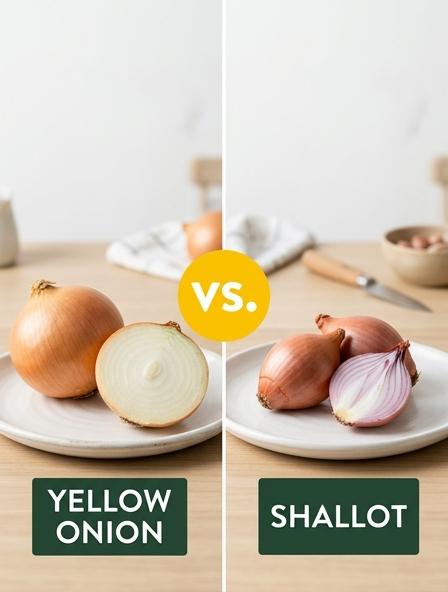
Flavor Intensity and Pungency of Yellow Onions and Shallots
Yellow onions and shallots differ significantly in their chemical profiles and sensory impact. Yellow onions are renowned for their high sulfur content, which translates into a sharp, pungent aroma and a potent "bite" when consumed raw. This intensity makes them the foundational choice for creating deep, savory bases in cooked dishes.
In contrast, shallots provide a more sophisticated and mellow profile. They possess a nuanced sweetness with distinct hints of garlic, lacking the aggressive sting associated with larger onions. Because their flavor is less overbearing, they are ideal for applications where a subtle aromatic touch is required.
| Feature | Yellow Onion | Shallot |
|---|---|---|
| Pungency | High / Sharp | Mild / Delicate |
| Flavor Notes | Sulfuric / Bold | Sweet / Garlicky |
You might reach for a finely minced shallot to elevate a delicate French vinaigrette, whereas a yellow onion is your best bet for achieving that classic, robust sweetness in a slow-simmered beef stew.
Nutritional Density and Health Benefits for Home Cooking
While both aromatics belong to the allium family, shallots generally offer a higher concentration of vitamins and minerals per gram than yellow onions. Shallots are particularly rich in antioxidants like flavonoids and polyphenols, alongside significant levels of Vitamin A and folate. In contrast, yellow onions are a reliable source of fiber and heart-healthy quercetin.
- Yellow Onions: Excellent source of Vitamin C and organosulfur compounds that help reduce inflammation.
- Shallots: Denser in potassium, iron, and manganese to support cellular health and metabolism.
Both vegetables contribute to cardiovascular wellness and immune support, though their potencies vary by volume. Home cooks often prefer whisking finely minced shallots into a raw champagne vinaigrette to preserve their delicate antioxidants, while others love slow-caramelizing yellow onions to bring out the deep, savory sweetness required for a classic French onion soup.
Heat Sensitivity and Texture Changes During Preparation
Yellow onions and shallots react differently to thermal processing due to their distinct cellular structures. Yellow onions are prized for their durability; their thick, fibrous layers soften slowly, allowing them to maintain physical integrity during long braises or intensive caramelization. In contrast, shallots possess a higher sugar-to-water ratio and thinner membranes, making them significantly more heat-sensitive.
- Yellow Onions: High heat tolerance; maintains structural body while developing a deep, savory sweetness over time.
- Shallots: Low heat tolerance; quickly breaks down and "melts" into liquids, though they can turn bitter if scorched.
While onions provide a structural foundation for hearty stews, shallots are favored for delicate reductions where a smooth, non-fibrous mouthfeel is essential. You might choose the resilient yellow onion for a slow-cooked batch of caramelized toppings, but reach for the elegant shallot when whisking together a silky pan sauce that requires a subtle, melted consistency.
Sulfur Levels and Digestive Impact in Daily Recipes
The primary chemical distinction between yellow onions and shallots lies in their sulfur concentration. Yellow onions are rich in pyruvic acid and sulfur compounds, which provide their signature pungency but can also trigger bloating or acid reflux in sensitive individuals. Shallots offer a milder profile, containing lower sulfur levels and a higher sugar content, making them significantly easier on the digestive system.
- Yellow Onion: High sulfur volatility; requires long cooking times to neutralize irritants.
- Shallot: Reduced sulfur enzymes; provides a gentle, aromatic base that is less likely to cause gastric distress.
While heat breaks down these compounds in both vegetables, shallots remain the preferred choice for those seeking a sophisticated flavor without the lingering "onion breath" or heaviness. You might reach for finely minced shallots when whisking together a raw vinaigrette to ensure a delicate, sweet finish that won't overpower your palate or upset your stomach like a raw yellow onion would.
Aromatic Strength and Influence on Sauce Consistency
Yellow onions and shallots differ significantly in their chemical potency and physical breakdown during cooking. Yellow onions possess a high sulfur content, delivering a sharp, robust aromatic profile that mellows into a deep sweetness. Structurally, they retain more fiber, adding bulk to rustic sauces. In contrast, shallots offer a sophisticated, mild pungency with subtle garlic notes. Due to their fine cell structure, shallots dissolve almost entirely when sautéed, acting as a natural thickener that creates a silky, emulsified finish.
- Yellow Onion: Best for high-heat caramelization and building a heavy flavor base.
- Shallot: Ideal for delicate reductions where a smooth, non-fibrous texture is required.
Professional chefs prefer finely minced shallots when whisking together a classic Beurre Blanc to ensure the sauce remains perfectly translucent, velvety, and elegant on the palate.
Storage Longevity and Kitchen Management Efficiency
Effective kitchen management relies on understanding the shelf life of your aromatics. Yellow onions are the undisputed champions of longevity; thanks to their thick, papery skins, they can last up to three months when stored in a cool, dark, and dry environment. This makes them ideal for bulk purchasing and reducing grocery frequency.
- Yellow Onions: High durability, 2–3 months storage, best for pantry staples.
- Shallots: Moderate durability, 1–2 months storage, prone to faster sprouting.
In contrast, shallots contain higher sugar and moisture levels, leading to a shorter lifespan before they soften or sprout. For maximum efficiency, chefs treat yellow onions as the "ever-ready" foundation of the kitchen, while shallots are managed as specialty items bought for specific culinary applications to prevent spoilage and waste.
You can keep a large mesh bag of yellow onions in your cellar for everyday bulk cooking and buy just a few shallots for those weekend nights when you want to elevate a simple steak with a refined red wine reduction.
Vitamin and Mineral Content for Health and Wellness
While yellow onions and shallots share similar medicinal properties, their micronutrient densities differ. Shallots are generally more concentrated in essential minerals and vitamins compared to their larger counterparts.
- Shallots: Contain higher levels of potassium, iron, copper, and vitamin B6. These are vital for red blood cell production and metabolic function.
- Yellow Onions: A reliable source of Vitamin C and dietary fiber, providing excellent support for immune health and digestive regularity.
Both alliums contain quercetin, a powerful antioxidant that helps combat inflammation. However, the higher concentration of Vitamin A in shallots makes them superior for maintaining healthy vision and skin. Integrating both into your diet ensures a broad spectrum of phytochemicals that protect against chronic disease. You might prefer whisking minced shallots into a refined French vinaigrette to maximize your mineral intake while adding a subtle, sophisticated sweetness to your leafy greens.
Caramelization Performance and Natural Sugar Variations
While both yellow onions and shallots undergo the Maillard reaction, their sugar concentrations and moisture levels dictate distinct culinary outcomes. Shallots possess a higher natural sugar content and lower water volume compared to yellow onions, allowing them to brown significantly faster. However, this high sugar density makes shallots prone to burning, requiring lower heat and closer monitoring.
Yellow onions are the industry standard for deep caramelization. Their complex sulfur compounds break down over an extended period, resulting in a rich, savory-sweet profile that shallots cannot mirror in high volumes. Key differences include:
- Yellow Onions: Best for long, slow cooking to achieve a jammy, dark brown consistency.
- Shallots: Ideal for rapid glazing and achieving a delicate, crispy exterior.
Professional chefs often choose the quick-melting texture of minced shallots when whisking together a velvety red wine reduction for a pan-seared filet mignon.
Structural Integrity in Sautéed and Braised Recipes
The choice between yellow onions and shallots often depends on how you want the vegetable to behave under heat. Yellow onions have a high water content and large cells, causing them to break down and almost vanish into braising liquids, which adds significant body and sweetness to sauces. Shallots possess a denser cellular structure with finer layers, allowing them to hold their physical form much better during both quick sautés and long simmers.
- Yellow Onion: Softens significantly; ideal for "melting" into the base of soups and pot roasts.
- Shallot: Maintains architectural integrity; perfect for when you want defined, translucent pieces in the final dish.
You will love using yellow onions when you need a thick, caramelized foundation for a hearty beef stew, but reach for halved shallots when you want those sophisticated, intact gems to stand out in a classic Coq au Vin.
Visual Appeal and Color Impact on Finished Dishes
The aesthetic difference between yellow onions and shallots can redefine a dish's presentation. Yellow onions possess thick, sturdy layers that transform from opaque white to a deep, rustic mahogany when caramelized. This bold color shift is ideal for hearty aesthetics. Shallots, however, offer a more refined visual profile; their thin, violet-tinged skins give way to delicate, translucent layers that provide a sophisticated, pearlescent finish.
- Yellow Onions: Best for creating high-contrast, golden-brown ribbons in stir-fries or French onion soup.
- Shallots: Ideal for maintaining a clean, light appearance in pale sauces or light vinaigrettes.
While yellow onions add a bulky, farmhouse texture, shallots tend to "melt" into the background, ensuring the sauce remains smooth and visually undisturbed by large fibers.
You might choose the subtle, jewel-like aesthetic of minced shallots when whisking together a delicate champagne vinaigrette to keep the dressing looking elegant and clear.
Yellow Onion vs Shallot source and external links
- The yellow onion is a versatile all-purpose vegetable characterized by its strong flavor and high sulfur content that turns sweet when caramelized.
- A shallot is a botanical variety of the onion that offers a more delicate, mild, and sweet flavor profile with a hint of garlic.