
Yellow Onion vs Red Onion: Which is Best for Flavor, Sautéing, and Nutrient Density?
Flavor Profiles for Daily Home Cooking
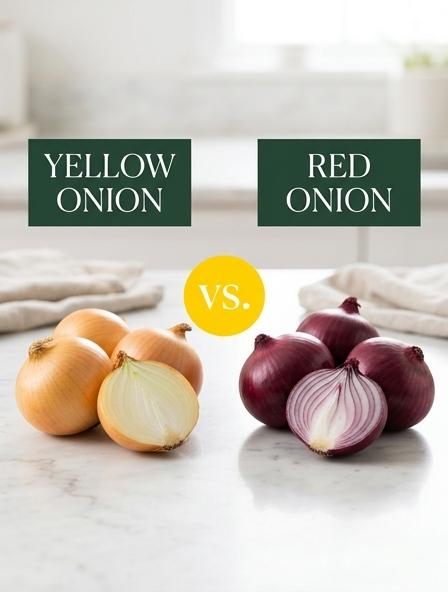
Choosing between yellow and red onions depends on the desired intensity and cooking method. Yellow onions are the culinary workhorse, featuring a high sulfur content that delivers a sharp, pungent bite when raw. When cooked, however, they mellow significantly, developing a deep, savory sweetness that forms the backbone of many classic dishes. Red onions offer a milder, more floral flavor profile with a crisp texture, though they can lose their vibrant color and become muted when subjected to long cooking times.
- Yellow Onions: Best for caramelizing, deglazing, and building complex bases for soups and stews.
- Red Onions: Preferred for raw consumption, quick pickling, or light grilling.
Most home cooks love using paper-thin slices of red onion to provide a refreshing crunch and a vivid pop of purple to a classic garden salad or a gourmet burger.
Sautéing Properties and Browning Performance
The choice between yellow and red onions significantly impacts the flavor profile and visual appeal of cooked dishes. Yellow onions are the culinary workhorse for high-heat applications due to their high sugar and sulfur content. When sautéed, they undergo a superior Maillard reaction, transforming from pungent and crunchy to sweet and golden brown.
- Yellow Onions: Best for deep caramelization and building savory foundations in stocks and sauces.
- Red Onions: Tend to lose their vibrant anthocyanin pigments when heated, often turning a duller, grayish-blue tint if overcooked.
While red onions can be charred quickly to retain some crunch and color, they lack the structural depth required for long-term browning. Professional chefs prefer using yellow onions when slow-cooking a rich, mahogany-colored base for French onion soup to ensure a complex, sweet-savory balance that red varieties simply cannot replicate.
Nutrient Density and Antioxidant Differences
While both yellow and red onions are low-calorie sources of fiber, vitamin C, and B6, their chemical compositions offer distinct health advantages. The primary difference lies in their antioxidant profiles. Red onions are rich in anthocyanins-the pigments responsible for their deep purple color-which are associated with heart health and anti-inflammatory effects. Yellow onions, while lacking these pigments, boast a higher concentration of quercetin, a powerful flavonoid known for its immune-boosting properties and stability during cooking.
| Nutrient Feature | Yellow Onion | Red Onion |
|---|---|---|
| Key Antioxidant | High Quercetin | Anthocyanins + Quercetin |
| Flavor Profile | Complex/Sulphuric | Mild/Peppery |
Fitness enthusiasts often toss raw red onions into a post-workout Greek salad to preserve heat-sensitive antioxidants, whereas home chefs prefer yellow onions for rich, caramelized bases that provide a concentrated dose of quercetin in every spoonful.
Texture Consistency in Raw and Cooked Dishes
The structural integrity of onions varies significantly based on their sulfur and fiber content. Yellow onions are the workhorses of the kitchen because their high sulfur levels cause them to break down and soften into a velvety, jammy consistency when heat is applied. In contrast, red onions possess thicker membranes that allow them to retain their shape and a distinct "bite" even when subjected to light cooking.
- Yellow Onions: Become tender and melt into sauces; ideal for long-simmering foundations.
- Red Onions: Maintain a crisp, fibrous snap; perfect for quick searing or raw applications.
Home cooks often prefer the melting texture of yellow onions to create a rich, uniform base for beef stews, while foodies love using thinly shaved red onions to provide a vibrant, refreshing crunch atop a street taco.
Visual Appeal and Aesthetic Influence on Plating
The choice between yellow and red onions significantly alters the visual narrative of a meal. Yellow onions are the culinary workhorse; their brownish-gold skin and off-white flesh become translucent when cooked, making them ideal for dishes where the onion should melt into the background. Conversely, red onions act as a decorative element, providing vibrant magenta and deep purple hues that provide a striking contrast against green or neutral-colored ingredients.
| Onion Variety | Visual Impact |
|---|---|
| Yellow Onion | Subtle, blends into stews and sauces. |
| Red Onion | Bold, provides high-contrast pops of color. |
Many chefs prefer using thinly sliced raw red onion rings to add a sophisticated, colorful flair to a Mediterranean salad or atop a gourmet burger for instant appetite appeal.
Heat Stability During Prolonged Cooking Times
When comparing heat stability, yellow onions are the superior choice for long-duration cooking. Their high sulfur content and dense cellular structure allow them to withstand high temperatures without disintegrating. Over time, yellow onions undergo deep caramelization, transforming sharp pungency into a rich, savory sweetness.
Red onions, however, lack this structural resilience. Their vibrant color comes from anthocyanins, which are heat-sensitive and often fade to a dull gray during extended boiling or roasting. Additionally, they tend to lose their bite and become watery when overcooked.
- Yellow Onions: High heat resistance; ideal for braises, stews, and slow-roasting.
- Red Onions: Low heat resistance; best for raw applications, grilling, or quick pickling.
You might prefer yellow onions when slow-simmering a hearty beef stew for several hours to ensure the vegetables provide a deep, caramelized foundation rather than dissolving into a muddy purple tint.
Storage Life and Kitchen Pantry Durability
When comparing the shelf life of yellow versus red onions, yellow onions are the clear winners for long-term pantry storage. Thanks to their thicker, papery skins and lower moisture content, they resist sprouting and rot more effectively than their colorful counterparts.
- Yellow Onions: Can last up to 2 to 3 months when kept in a cool, dark, and well-ventilated space.
- Red Onions: Typically remain fresh for only 2 to 4 weeks due to their higher sugar and water levels.
To maximize durability for both varieties, avoid storing them in plastic bags or near potatoes, which release ethylene gas that accelerates spoilage. While red onions provide vibrant aesthetics for immediate use, yellow onions serve as the reliable, bulk-buy workhorse for any kitchen inventory.
You might prefer stocking up on a large mesh bag of yellow onions for your monthly meal prep while grabbing a single red onion specifically for tonight's fresh Greek salad.
Aromatic Intensity and Fragrance Impact
The olfactory profile of an onion dictates the foundational scent of a dish. Yellow onions are the heavyweights of aromatic intensity due to their high sulfur concentration. When sliced, they release volatile compounds that are sharply pungent, but once heated, they transform into a rich, sweet, and complex fragrance. In contrast, red onions possess a milder, peppier aroma with a subtle floral undertone that remains relatively stable whether raw or lightly cooked.
- Yellow Onion: High pungency; creates a deep, savory "kitchen-filling" base when sautéed.
- Red Onion: Moderate intensity; provides a fresh, sharp scent that doesn't linger as heavily as yellow varieties.
Professional chefs often choose the aggressive aromatic release of yellow onions to build deep umami layers in slow-cooked stews, while backyard grillers love the mellow, charred scent of red onion rings sizzling alongside a seared burger.
Acidity Levels and Palate Sensations
The chemical profiles of yellow and red onions create distinct experiences for the palate. Yellow onions are characterized by a high sulfur content, which manifests as a sharp, pungent acidity when raw. However, this acidity is volatile; once heat is applied, the sulfurous compounds break down, leaving behind a rich, mellow sweetness. In contrast, red onions have a slightly higher sugar content but are perceived as more astringent and "peppery" due to their flavonoids. Their acidity is more immediate and crisp, often providing a sharper bite that lingers longer than a cooked yellow onion.
| Attribute | Yellow Onion | Red Onion |
|---|---|---|
| Raw Sensation | Intense Pungency | Sharp Astringency |
| After Cooking | Deeply Sweet | Mildly Sweet |
Many food enthusiasts prefer quick-pickling red onions in vinegar to balance their natural acidity, creating a bright, crunchy topping that cuts through the fat of a heavy brisket burger.
Culinary Functional Roles in Classic Recipes
Understanding the chemical differences between yellow and red onions is essential for balancing flavor profiles. Yellow onions, known for their high sulfur content, serve as the ultimate kitchen workhorse; they provide a complex, savory base that mellows into a deep sweetness when caramelized. Red onions offer a milder pungency and higher anthocyanin content, which provides their signature color and a crisp texture that holds up well in acidic environments.
- Yellow Onion Roles: Foundation for stocks, long-braised stews, and traditional French onion soup.
- Red Onion Roles: Vibrant additions to fresh salsas, pickling brines, and Mediterranean salads.
Professional chefs often reach for a yellow onion to build a rich Bolognese sauce, while home cooks love using quick-pickled red onions to add a bright, tangy crunch to street tacos.
Yellow Onion vs Red Onion source and external links
- The Yellow Onion is a versatile cooking staple favored for its deep, complex flavor that turns sweet when caramelized.
- Characterized by their vibrant purple skin and mild flavor, Red Onion varieties are most commonly served raw in salads, salsas, and sandwiches.