
Yellow Noodles vs White Noodles: Comparing Nutritional, Textural, and Glycemic Differences
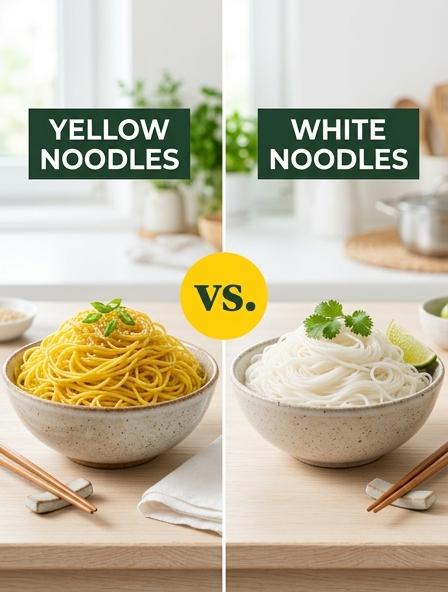
Nutritional Value of Alkaline and Plain Flour Strands
Understanding the nutritional distinction between yellow and white noodles requires looking at their chemical makeup. Yellow noodles are defined by "kansui" (alkaline salts), which react with wheat flavonoids to create their signature hue and bouncy texture. Conversely, white noodles are composed of plain wheat flour and water, maintaining a neutral pH and a softer, more delicate consistency.
| Nutritional Factor | Yellow (Alkaline) Noodles | White (Plain) Noodles |
|---|---|---|
| Texture/Structure | High elasticity, firm bite | Tender, smooth, and soft |
| Key Ingredients | Wheat, water, alkaline salts | Wheat flour, water, salt |
While both provide similar caloric energy through carbohydrates, the alkaline environment in yellow strands can slightly alter the bioavailability of certain B-vitamins. Fitness enthusiasts often prefer the firm, protein-structured bite of yellow noodles in a stir-fry, while those seeking a light, comforting meal typically gravitate toward silky white noodles in a clear, savory broth.
Elasticity and Chewiness of Egg-Enriched Versus Non-Egg Bases
The textural divergence between yellow and white noodles is primarily driven by protein reinforcement. Yellow noodles typically incorporate egg or alkaline salts, which interact with wheat gluten to create a tight, resilient molecular matrix. This results in high elasticity and the signature "bouncy" mouthfeel sought in many Asian dishes.
- Yellow Noodles: Known for a firm, "al dente" snap and structural integrity in high-heat cooking.
- White Noodles: Generally made from wheat or rice flour without egg, offering a softer, silkier, and more yielding texture.
Because white noodles lack the additional binding proteins found in egg-based doughs, they provide a smoother slurp but can become mushy if overcooked. In contrast, the egg content in yellow noodles acts as a stabilizer, providing a chewy resistance that holds up against heavy sauces and oily stir-fries.
You might prefer springy yellow noodles when ordering a hearty bowl of ramen to ensure every bite maintains a satisfying, firm resistance against the rich, hot broth.
Caloric Density in Common Asian Carbohydrate Staples
Understanding the nutritional profile of yellow versus white noodles is essential for managing daily energy intake. Yellow noodles are typically made from wheat flour and alkaline water, often incorporating eggs, which results in a denser texture and slightly higher protein and fat content. In contrast, white noodles-such as rice vermicelli or kway teow-are primarily composed of rice flour and water, making them a gluten-free alternative that is generally lower in calories when boiled.
| Noodle Type | Key Ingredients | Caloric Density |
|---|---|---|
| Yellow Noodles | Wheat, Egg, Lye Water | Higher (often pre-oiled) |
| White Noodles | Rice Flour, Water | Lower (leaner profile) |
Processing also plays a role; many fresh yellow noodles are coated in oil to prevent clumping, further increasing their caloric load compared to dried rice varieties. You might choose springy yellow noodles for a rich, savory Hokkien Mee, or opt for light rice noodles when you want a refreshing, low-calorie clear soup on a warm afternoon.
Impact of PH Levels on Dough Texture and Performance
The fundamental distinction between yellow and white noodles is determined by their pH environment. Yellow noodles incorporate alkaline salts, known as kansui, which raise the pH level. This alkalinity triggers a chemical reaction with wheat's natural flavonoids, resulting in a distinct yellow pigment and a signature firm, elastic texture. Conversely, white noodles maintain a neutral pH, prioritizing a soft, silky, and tender mouthfeel without the structural rigidity provided by alkaline agents.
- Alkaline (High pH): Increases gluten strength and protein cross-linking, creating a "snappy" bite.
- Neutral (Low pH): Results in a more delicate, starch-forward performance and clean flavor.
Professional ramen chefs rely on high-pH dough to ensure noodles retain their bounce in hot, heavy broths, whereas many home cooks prefer the smooth, comforting slurp of white wheat noodles for light, clear soups or chilled summer salads.
Sodium Concentration in Different Processed Dough Varieties
The primary distinction between yellow and white noodles lies in their chemical composition. Yellow noodles incorporate alkaline salts, known as Kansui, which react with wheat proteins to create a firm, elastic texture and distinct color. This process inherently raises the sodium concentration compared to traditional white noodles.
- Yellow Noodles: Higher sodium levels due to the combination of table salt and alkaline mineral salts.
- White Noodles: Generally lower in sodium, as they typically rely only on sodium chloride for gluten development.
While white varieties like udon are often perceived as a "cleaner" option, their sodium content can still be significant depending on the preservation method used. Understanding these differences is essential for maintaining a balanced diet without sacrificing the structural integrity of the dough.
You might prefer the delicate, clean finish of white somen for a chilled summer salad, whereas the chewy, mineral-rich profile of yellow noodles is the gold standard for a hearty bowl of tonkotsu ramen.
Digestive Response and Glycemic Impact of Various Flour Types
The metabolic response to noodles is primarily dictated by their flour composition and structural density. White noodles, typically crafted from refined wheat, exhibit a higher Glycemic Index (GI), leading to rapid carbohydrate assimilation and a swift rise in blood glucose levels. Conversely, yellow noodles often incorporate alkaline salts or egg proteins, which modify the starch gelatinization process and create a more resilient protein-starch matrix.
- White Noodles: High GI; results in quick energy spikes and faster digestion.
- Yellow Noodles: Lower GI; alkaline agents slow down enzymatic breakdown.
These biochemical differences influence how long you feel satiated and how steadily energy is released into the bloodstream. You might prefer firm yellow noodles for a hearty stir-fry to power through a long afternoon of meetings, while choosing soft white noodles for a light, soothing soup that is easy on the stomach before bed.
Sauce Adhesion and Flavor Retention in Different Pasta Profiles
The structural differences between yellow and white noodles dictate their ability to carry flavor. Yellow noodles, often formulated with egg or alkaline salts (kansui), feature a rougher, porous surface. This texture increases friction, allowing viscous oils and thick gravies to cling effectively. In contrast, white noodles-usually rice or wheat-based-tend to have a smoother finish, making them ideal for carrying light broths without overpowering the palate.
- Yellow Noodles: Exceptional at trapping bold fats, coconut milks, and heavy stir-fry sauces.
- White Noodles: Best for thin, vinegar-based dressings or clean, watery soup bases.
Ultimately, the chemical composition of the noodle dictates whether the sauce coats the exterior or absorbs into the core. You might reach for the springy yellow noodle when preparing a rich, dark soy stir-fry to ensure every strand is fully saturated with savory flavor.
Structural Integrity During Prolonged Cooking in Broth
The ability of a noodle to withstand hot liquid without becoming mushy is determined by its protein structure and pH level. Yellow noodles are traditionally treated with alkaline salts (kansui), which strengthen the gluten bonds and prevent the starch from over-expanding. This chemical reaction creates a resilient, springy texture that holds up well in simmering soups. In contrast, most white noodles, such as rice vermicelli or standard wheat noodles, lack these alkaline agents, making them more porous and prone to absorbing broth until they lose their tensile strength.
- Yellow Noodles: High durability; maintains an "al dente" snap even in boiling temperatures.
- White Noodles: High absorption; softens quickly and may disintegrate if overcooked.
Home cooks often choose yellow noodles for hearty, slow-eaten dishes like Re mian or Hokkien Mee, ensuring the last bite remains just as firm and satisfying as the first.
Moisture Content and Storage Life of Various Dough Compositions
The moisture content in noodles significantly dictates their final texture and preservation requirements. White noodles, such as traditional wheat or rice varieties, often range from high-moisture fresh formats to low-moisture dried strands. Conversely, yellow noodles incorporate alkaline salts (kansui), which not only create their signature springy texture and golden hue but also slightly alter the pH level, influencing storage stability.
- Fresh Yellow Noodles: High moisture (30-35%); requires refrigeration for a short shelf life.
- Dried White Noodles: Low moisture (10-12%); shelf-stable for months in cool, dry conditions.
- Steamed/Pre-cooked: Medium moisture; often vacuum-sealed to extend commercial viability.
Home cooks typically reach for vacuum-sealed fresh yellow noodles for a quick, springy weeknight stir-fry, while keeping a bulk supply of dried white vermicelli in the pantry for convenient, long-term meal planning.
Heat Resistance of Different Flour Bases in Stir-Fry Applications
The structural integrity of noodles during high-heat stir-frying is determined by their protein structure and chemical additives. Yellow noodles are formulated with alkaline salts (kansui), which strengthen the gluten network. This chemical reaction allows the noodles to remain elastic and firm even when exposed to the intense "wok hei" of a professional burner. White noodles, typically made from wheat and water without alkaline agents, have a more delicate starch bond that can easily rupture.
- Yellow Noodles: High heat tolerance; maintains "al dente" bite during vigorous tossing.
- White Noodles: Lower heat resistance; tends to become mushy or break if overcooked in a pan.
Choosing the right base prevents a gummy texture in your finished dish. You will appreciate the resilience of yellow alkaline noodles when preparing a high-flame ginger and garlic lo mein where the noodles must survive heavy tossing without snapping.
Yellow Noodles vs White Noodles source and external links
- Yellow noodles are typically made from wheat flour and alkaline water or eggs to achieve their signature springy texture and golden hue, which is common in many varieties of alkaline noodles.
- Commonly prepared from rice flour or wheat without eggs, white noodles serve as a versatile base for many dishes like pho and udon, especially when using traditional rice noodles.