
Yellow Noodles vs Spaghetti: The Differences in Nutritional Profiles, Culinary Performance, and Processing Methods.
Nutritional profiles and caloric density in home meals
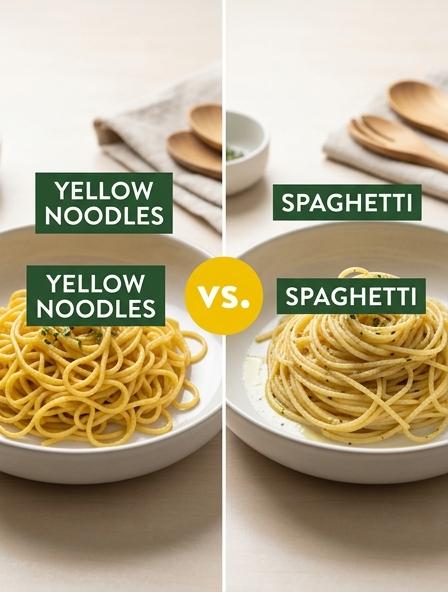
Choosing between yellow noodles and spaghetti involves understanding their distinct processing methods and macronutrient compositions. Yellow noodles are typically made from wheat flour, water, and alkaline salts, which contribute to a higher sodium content and their signature springy texture. In contrast, spaghetti is crafted from durum wheat semolina, which generally offers a lower glycemic index and a more stable release of energy.
- Yellow Noodles: Higher sodium levels, faster cooking time, and often contain eggs or food coloring.
- Spaghetti: Higher protein stability, lower fat content, and available in whole-grain varieties for added fiber.
Both options yield approximately 130 to 150 calories per 100g when cooked, making them comparable in caloric density. However, yellow noodles often absorb oils more readily in stir-fries, potentially increasing the total meal calories more than a tomato-based pasta dish.
You might reach for yellow noodles when craving a quick, savory late-night lo mein, or select spaghetti when you want a slow-digesting meal to power your morning workout.
Texture and chewiness under various cooking temperatures
The structural integrity of yellow noodles versus spaghetti is fundamentally defined by their chemical composition. Yellow noodles utilize alkaline salts (kansui), which cross-link proteins to create a resilient, springy "snap" that withstands high-heat stir-frying and prolonged immersion in boiling broths. In contrast, spaghetti relies on a dense gluten network from durum wheat, providing a firm al dente bite that is more sensitive to thermal degradation if overcooked.
| Heat Level | Yellow Noodles | Spaghetti |
|---|---|---|
| Boiling Broth | Maintains elasticity | Softens rapidly |
| High-Heat Wok | Retains "chew" | Becomes gummy |
You might prefer the enduring chew of yellow noodles in a bubbling bowl of curry mee, whereas the delicate, firm core of spaghetti is the gold standard for a traditional aglio e olio.
Interaction with savory sauces and aromatic oils
The culinary performance of yellow noodles and spaghetti depends largely on their surface texture and porosity. Yellow noodles, typically treated with alkaline salts, possess a unique ability to absorb aromatic oils and heavy, soy-based sauces. This chemical makeup allows the noodles to "soak in" flavors, making them integral to high-heat stir-frying. Conversely, spaghetti is crafted from durum wheat, creating a smooth, dense surface designed for adhesion rather than absorption. It relies on starch-heavy pasta water to emulsify sauces, ensuring they cling to the exterior for a balanced bite.
- Yellow Noodles: High absorption; porous texture integrates fats and seasonings deeply.
- Spaghetti: High adhesion; smooth surface allows sauces to coat the strand without losing "al dente" firmness.
You might love how yellow noodles drink up the smoky lard and dark soy in a sizzling Hokkien Mee, while spaghetti provides a cleaner, firmer foundation when tossed in a delicate emulsion of garlic and extra virgin olive oil.
Sodium content and health considerations for families
When comparing yellow noodles and spaghetti, sodium content is a primary health differentiator for families. Yellow noodles are processed with alkaline salts (kansui) and added sodium to achieve their signature springy texture and yellow hue. In contrast, traditional dried spaghetti is a low-sodium staple, consisting primarily of durum wheat semolina and water.
- Yellow Noodles: Higher sodium levels due to preservatives and textural additives.
- Spaghetti: Naturally low in salt, providing better control over a meal's total sodium profile.
High sodium intake is linked to hypertension and kidney strain, making spaghetti the generally healthier choice for daily consumption, especially for children and the elderly. While yellow noodles offer a distinct umami profile, they require careful portioning or rinsing to reduce salt levels before cooking.
You might choose iron-fortified spaghetti for a nutritious weeknight Bolognese to keep your family's salt intake low, while reserving authentic yellow noodles for a special weekend stir-fry treat.
Structural Performance During Boiling and Stir Frying
The structural integrity of yellow noodles versus spaghetti is dictated by their chemical composition. Yellow noodles incorporate alkaline salts (kansui), which strengthen gluten bonds to create a flexible, "springy" texture that resists breaking. In contrast, spaghetti relies on the dense protein matrix of durum wheat to maintain an al dente bite during boiling.
| Action | Yellow Noodles | Spaghetti |
|---|---|---|
| Boiling | Fast hydration; stays elastic. | Slow hydration; maintains firm core. |
| Stir-Frying | High resilience to mechanical tossing. | Prone to snapping if over-hydrated. |
Home cooks often prefer yellow noodles for a frantic, high-heat wok toss because they absorb savory sauces and smoky "wok hei" while remaining perfectly intact and slippery.
Glycemic index and impact on daily energy levels
The glycemic index (GI) determines how quickly carbohydrates affect blood glucose levels. Yellow noodles, often made with refined wheat and alkaline salts, generally possess a higher GI. This leads to a rapid insulin spike and a subsequent energy "crash," which can result in mid-day lethargy. In contrast, spaghetti made from durum wheat semolina has a lower GI, especially when cooked al dente, as the starch molecules are digested more slowly.
- Yellow Noodles: High GI; leads to quick energy bursts followed by fatigue.
- Spaghetti: Low-to-medium GI; provides sustained glucose release and prolonged satiety.
Selecting the right noodle base is essential for maintaining focus and physical endurance throughout the day. While yellow noodles serve as a fast fuel source, spaghetti is the preferred choice for those seeking a steady metabolic pace.
You might opt for a hearty plate of spaghetti before a demanding afternoon of meetings to ensure your mental clarity and energy levels remain perfectly stable.
Freshness Duration and Storage Requirements
The shelf life of yellow noodles versus spaghetti is primarily determined by moisture content and processing methods. Fresh yellow noodles are highly perishable, typically lasting only 3 to 7 days, and must be kept refrigerated to prevent spoilage. Conversely, dried spaghetti is a shelf-stable product that can remain at peak quality in a pantry for up to two years.
- Yellow Noodles: Require constant refrigeration in airtight packaging; they can be frozen to extend life, though texture may soften.
- Dried Spaghetti: Best stored in a cool, dark place; once cooked, it requires refrigeration and should be consumed within 3 to 5 days.
- Fresh Pasta: Like yellow noodles, fresh spaghetti found in the refrigerated aisle has a limited lifespan of about 2 to 5 days.
Busy home cooks often prefer keeping a box of dried spaghetti as a reliable pantry fallback, while foodies head to the market for fresh yellow noodles specifically for that day's stir-fry.
Differences in Wheat Processing and Dough Composition
The fundamental distinction between yellow noodles and spaghetti lies in the wheat variety and chemical additives used during production. Spaghetti is traditionally crafted from durum wheat semolina, a hard wheat ground into a coarse, high-protein flour that ensures a firm, "al dente" structure. Conversely, yellow noodles utilize common bread flour or soft wheat varieties.
Their dough compositions differ significantly due to the presence of alkaline agents:
- Spaghetti: Primarily consists of semolina and water, relying on high gluten content for density.
- Yellow Noodles: Includes wheat flour, water, and alkaline salts (kansui). This alkalinity reacts with wheat flavonoids to create the signature yellow pigment and a characteristic springy texture.
While spaghetti provides a nutty, slow-release carbohydrate profile, yellow noodles offer a unique slickness and elasticity essential for stir-fries. You might reach for the alkaline snap of yellow noodles when craving a robust lo mein, whereas the dense bite of spaghetti is your go-to for a classic carbonara.
Total preparation time for busy weekday schedules
When comparing preparation speed for a quick dinner, fresh yellow noodles significantly outperform dried spaghetti. Most yellow noodles found in grocery stores are pre-steamed or par-boiled, requiring only a brief one-to-three-minute rinse in boiling water or direct tossing into a hot pan. In contrast, dried spaghetti requires a large volume of water to reach a boil, followed by an eight-to-twelve-minute cooking window to reach al dente perfection.
| Feature | Yellow Noodles (Fresh) | Spaghetti (Dried) |
|---|---|---|
| Cooking Time | 1–3 minutes | 8–12 minutes |
| Total Prep | Under 5 minutes | 15–20 minutes |
You will likely reach for yellow noodles when you need a lightning-fast meal after a long workday, as they transition from the fridge to your plate in a fraction of the time it takes to even boil a pot of pasta water.
Economic value and portion sizing for household budgets
Choosing between yellow noodles and spaghetti often involves balancing shelf life against immediate convenience. Spaghetti is a champion of bulk-buy savings; being a dry pantry staple, it offers a long shelf life and a lower cost-per-serving. When boiled, dry spaghetti doubles in weight, providing high satiety for large families. In contrast, yellow noodles-typically sold fresh or semi-dried-carry a shorter expiration date but offer significant savings in energy costs due to their rapid cooking time.
| Metric | Spaghetti (Dry) | Yellow Noodles (Fresh) |
|---|---|---|
| Shelf Stability | High | Low |
| Cooking Speed | 8–12 minutes | 1–3 minutes |
You might find yourself stocking up on spaghetti for reliable, low-cost monthly meal prep, while grabbing a pack of yellow noodles for those frantic weeknight stir-fries where time is just as valuable as money.
Yellow Noodles vs Spaghetti source and external links
- Yellow noodles are a staple of Asian cuisine made from wheat flour and egg or alkaline water to create their signature springy texture.
- Spaghetti is a long, thin, cylindrical pasta of Italian origin that is commonly served with a wide variety of sauces ranging from marinara to carbonara.