
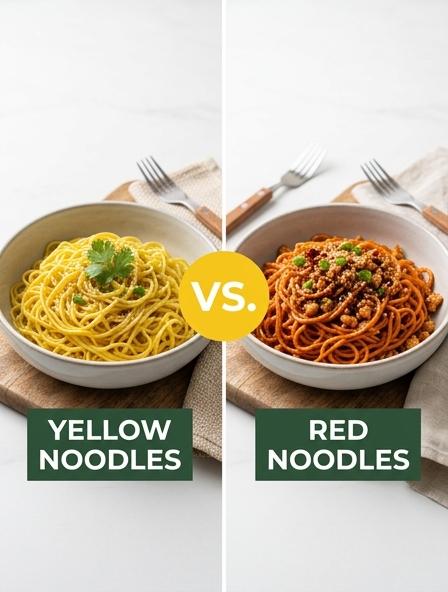
Yellow Noodles vs Red Noodles : Are They The Same? Nutritional Impact, Culinary Texture, and Ingredient Composition.
Nutritional Breakdown and Daily Caloric Impact
Understanding the nutritional profile of yellow versus red noodles is essential for managing daily caloric intake. Yellow noodles are typically made from wheat flour and eggs, providing a rich source of carbohydrates and a moderate amount of protein. Red noodles, often colored with beetroot or chili paste, share a similar carbohydrate base but may contain additional antioxidants or capsaicin depending on the natural dyes used.
- Yellow Noodles: Average 150 calories per 100g; higher in lecithin and vitamin B if real eggs are used.
- Red Noodles: Calories range from 140 to 165 per 100g; often slightly higher in sodium if the red tint comes from processed seasonings.
While both varieties serve as high-energy fuel, their impact on your diet depends heavily on preparation methods and portion control. Home cooks often prefer yellow noodles for a hearty, traditional lo mein, while health-conscious foodies love using vibrant red noodles to create a visually stunning, antioxidant-rich stir-fry for their weekend meal prep.
Texture Stability and Mouthfeel in High Heat Stir Fries
The structural integrity of noodles during high-heat stir-frying depends largely on their composition. Yellow noodles, typically made with alkaline salts (kansui), feature a strengthened gluten network. This chemical reaction creates a firm, elastic, and springy mouthfeel that resists breaking or becoming mushy when tossed in a blazing wok. In contrast, red noodles-often infused with chili or beetroot-tend to have a softer protein structure and a more delicate surface.
- Yellow Noodles: High alkaline content provides a distinct "snap" and prevents starch leaching.
- Red Noodles: Offers a smoother, more porous texture that excels at absorbing rich sauces but requires shorter cook times.
While red varieties add aesthetic flair and a silkier bite, the yellow noodle remains the gold standard for heavy-duty frying. Home cooks love using springy yellow noodles for a classic "Mee Goreng," where the strands char perfectly against the wok without losing their signature chewy resistance.
Digestive Health and Glycemic Response of Selected Strands
The physiological impact of noodle consumption depends largely on flour composition and processing methods. Yellow noodles, typically made from refined wheat and alkaline salts, offer a springy texture but possess a higher glycemic index (GI), leading to rapid glucose absorption. Conversely, red noodles-often enriched with whole-grain red rice or beetroot-contain higher concentrations of fiber and antioxidants like anthocyanins.
- Yellow Noodles: Fast digestion; provides immediate energy; lower satiety levels.
- Red Noodles: Slower glycemic response; supports gut motility; rich in complex carbohydrates.
The alkaline nature of yellow strands can occasionally aid those with mild hyperacidity, whereas the structural complexity of red noodles ensures a gradual insulin release, preventing the energy crashes associated with refined starches. You might reach for classic yellow noodles when craving a traditional, quick-digesting comfort dish, but you will likely prefer the nutrient-dense red variety when preparing a balanced meal designed to sustain your energy throughout a demanding workday.
Sodium Content and Mineral Profiles for Health Conscious Households
Understanding the nutritional distinction between yellow and red noodles is essential for managing cardiovascular health. Yellow noodles typically gain their elastic texture from alkaline salts (kansui), which significantly increases their sodium density. Conversely, red noodles-often crafted from red rice or infused with natural extracts like beetroot-frequently offer a superior mineral profile with lower processed additives.
| Nutrient Factor | Yellow Noodles | Red Noodles |
|---|---|---|
| Sodium Level | Higher (Alkaline salts) | Lower (Natural grains) |
| Key Minerals | Phosphorus, Selenium | Iron, Magnesium, Zinc |
While the high sodium in yellow noodles can contribute to water retention, the magnesium in red varieties supports muscle function and heart rhythm. A health-conscious parent might choose red rice noodles for a family stir-fry to ensure a mineral-rich meal that keeps blood pressure levels in check.
Flavor Absorption and Broth Compatibility in Soup Dishes
The choice between yellow and red noodles significantly impacts a dish's profile based on how they interact with liquid bases. Yellow noodles, typically characterized by their alkaline content, offer a springy, firm texture. This structural integrity allows them to pair perfectly with heavy, oil-based broths without becoming overly soft or mushy.
- Yellow Noodles: Best for rich, savory soups like Curry Laksa or Tonkotsu.
- Red Noodles: Ideal for absorbing the nuances of herbal or spicy, vinegar-based broths.
Red noodles, often infused with chili or beetroot, tend to be more porous. This higher absorption rate allows the noodles to act as a sponge, soaking up the broth's essence directly into the strand. Many diners prefer the springy snap of yellow noodles in a thick, spicy seafood soup when they want a hearty texture that stands up to bold, intense flavors.
Elasticity and Structural Integrity During Boiling Processes
The structural performance of noodles during boiling is largely dictated by their chemical composition. Yellow noodles owe their signature elasticity to alkaline salts (kansui), which cross-link gluten proteins to create a resilient, chewy texture that withstands high heat. Red noodles, often colored with natural agents like beetroot or red yeast rice, typically possess a more delicate starch matrix. While yellow noodles maintain their "al dente" bite through prolonged immersion, red varieties require shorter cooking times to prevent structural degradation.
- Yellow Noodles: High gluten strength; remains firm in simmering broths.
- Red Noodles: Softer protein structure; best suited for quick-blanching.
Professional chefs often choose springy yellow noodles for heavy, high-heat stir-fries, while home cooks love using vibrant red noodles to create visually stunning, quick-tossed gourmet salads.
Visual Contrast and Color Stability in Family Meal Plating
When orchestrating a family dinner, the choice between yellow and red noodles dictates the meal's visual energy. Yellow noodles, typically enriched with egg or alkaline salts, provide a reliable, sun-kissed base that maintains color stability even under high-heat stir-frying. In contrast, red noodles-often tinted with beetroot, chili, or red yeast rice-offer a bold chromatic punch but require careful preparation to prevent the pigment from bleeding into other ingredients.
- Yellow Noodles: Offer a classic, warm aesthetic that complements green leafy vegetables and browned proteins.
- Red Noodles: Provide a dramatic focal point for festive occasions, though they may lose vibrancy if over-boiled in soups.
Understanding these color dynamics allows for more intentional plating, ensuring the dish looks as appetizing as it tastes. You might choose to swirl bright red noodles into a cold sesame salad to create a striking contrast that makes the fresh cucumbers and white sesame seeds pop for your guests.
Moisture Retention and Sauce Adhesion Performance
The culinary performance of yellow versus red noodles is largely defined by their structural composition. Yellow noodles, typically treated with alkaline water (kansui), exhibit remarkable moisture retention, allowing them to remain springy and firm even when submerged in hot broths. Red noodles, often infused with ingredients like chili, beetroot, or red yeast rice, frequently possess a more porous surface. This physical characteristic allows for superior sauce adhesion, as the noodles "grip" emulsions and oils more effectively than their smoother counterparts.
- Yellow Noodles: High elasticity and density; best for preventing sogginess in soups.
- Red Noodles: Increased surface area; ideal for binding with heavy or concentrated sauces.
Home cooks often reach for red noodles when preparing spicy stir-fries because the rugged strands cling to thick chili pastes, ensuring a robust explosion of flavor in every single mouthful.
Chemical Composition and Presence of Coloring Agents
The primary distinction between yellow and red noodles lies in their chemical additives. Yellow noodles achieve their golden tint and firm bite through alkaline salts, or "lye water," which reacts with natural flour flavonoids. To enhance this, manufacturers often use turmeric or Tartrazine. Conversely, red noodles generally utilize concentrated food dyes or natural ingredients to achieve their bold appearance.
| Noodle Type | Common Coloring Agents | Key Chemical Interaction |
|---|---|---|
| Yellow | Kansui (Lye water), Turmeric, E102 | Alkaline-flour reaction |
| Red | Beetroot juice, Tomato paste, E129 | Pigment infusion |
Home cooks often reach for springy yellow noodles when preparing a traditional smoky Hokkien mee, whereas health-conscious foodies prefer red, beetroot-tinted strands to create a visually stunning and antioxidant-rich salad bowl.
Satiety Levels and Energy Release for Daily Dietary Planning
Understanding the glycemic differences between yellow and red noodles is essential for maintaining consistent energy levels. Yellow noodles, typically crafted from refined wheat and alkaline water, offer a rapid release of glucose, providing an immediate but short-lived energy boost. In contrast, red noodles-often made from whole-grain red rice-retain their bran layer, offering a higher fiber content that slows digestion and promotes prolonged satiety.
- Yellow Noodles: Higher Glycemic Index (GI), leading to quicker hunger pangs.
- Red Noodles: Lower GI, providing sustained fuel and better blood sugar management.
For those managing a busy workday, choosing red noodles over yellow can prevent the dreaded mid-afternoon energy crash, keeping you focused and full until your next meal.
Yellow Noodles vs Red Noodles source and external links
- Yellow noodles are a versatile staple in many Asian cuisines, traditionally made from wheat flour and alkaline water to achieve their signature springy texture and golden hue. Find more information on Yellow Noodles.
- Red noodles gain their vibrant appearance and distinct earthy flavor through the infusion of natural ingredients like beetroot juice or red pepper purée. Learn more about Red Noodles.