
Whole Wheat Pasta vs Whole Grain Pasta: Which is Best for Nutrition, Texture, and Digestive Satiety?
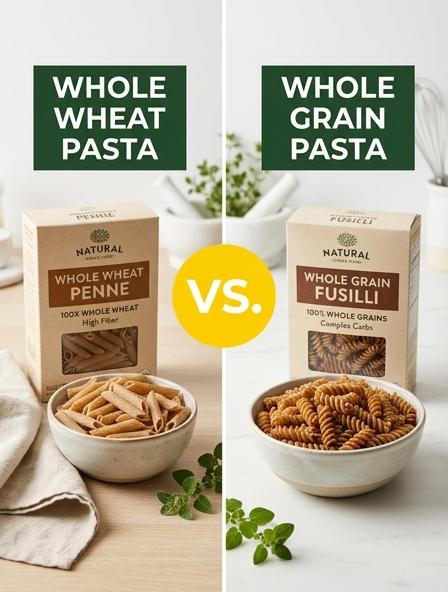
Texture Variations and Mouthfeel in Fiber Rich Noodle Choices
Choosing between whole wheat and whole grain pasta often comes down to the sensory experience of the meal. Whole wheat pasta is made exclusively from the entire wheat kernel, resulting in a dense, robust, and occasionally grainy texture that stands up well to high-heat cooking. In contrast, whole grain pasta may utilize a diverse blend of grains such as quinoa, brown rice, or barley, which can offer a smoother or springier mouthfeel compared to traditional wheat-only options.
- Whole Wheat: Characterized by a coarse, hearty bite and a distinct nutty profile.
- Whole Grain Blends: Often provide a lighter, more varied consistency depending on the specific grain combination.
Health-conscious foodies often choose the firm, toothsome texture of whole wheat fusilli when preparing a cold Mediterranean pasta salad to ensure the noodles retain their shape and "al dente" bite after marinating in vinaigrette.
Nutritional Discrepancies Between Common Darker Flour Varieties
While often used interchangeably, whole wheat and whole grain pastas offer distinct nutritional profiles based on their botanical sources. Whole wheat pasta is derived specifically from the entire wheat kernel, ensuring a high concentration of insoluble fiber, selenium, and magnesium. In contrast, "whole grain" serves as an umbrella term; these pastas may incorporate a diverse blend of grains such as spelt, brown rice, or barley.
- Whole Wheat: Contains the bran, germ, and endosperm of the wheat plant exclusively.
- Whole Grain: Provides a broader spectrum of phytonutrients and amino acids by mixing different cereal types.
- Glycemic Impact: Both offer a lower glycemic index than refined flour, though multi-grain blends often provide more complex carbohydrate structures.
Fitness enthusiasts often reach for a multi-grain rotini when they want to maximize their mineral diversity without sacrificing the hearty, nutty texture they love in a post-workout meal.
Sauce Adherence and Liquid Absorption in Hearty Pantry Staples
Choosing between whole wheat and whole grain pasta often comes down to their structural interaction with sauces. Both varieties feature a coarser surface texture compared to refined semolina, thanks to the inclusion of the grain's bran and germ. This inherent roughness increases the total surface area, allowing fats and liquids to "grip" the noodle more effectively than on a smooth, processed surface.
- High Porosity: These pastas absorb more liquid, often requiring a splash of extra pasta water to maintain a silky sauce consistency.
- Structural Integrity: The fiber-rich composition prevents the noodles from becoming mushy when tossed with heavy, chunky ingredients.
- Flavor Synergy: The nutty profile of the grain complements robust, earthy bases like kale pesto or sun-dried tomatoes.
While whole grain blends offer a milder flavor, pure whole wheat provides a denser bite that stands up to slow-simmered ragus. You might prefer the way a thick, rustic Bolognese clings to every ridge of a whole wheat penne, ensuring a satisfyingly hearty ratio of sauce to grain in every mouthful.
Metabolic Impact and Digestive Satiety of These Meal Bases
Choosing between whole wheat and whole grain pasta involves understanding their functional benefits on glucose regulation. Both options retain the bran and germ, providing essential fiber that slows the conversion of carbohydrates into glucose. This results in a lower glycemic response compared to refined semolina, preventing sharp insulin spikes and supporting long-term metabolic health.
Regarding satiety, the high insoluble fiber content increases gastric distension and prolongs digestion time. While whole wheat is specific to the wheat kernel, "whole grain" blends may incorporate diverse cereals like spelt, brown rice, or quinoa, offering a varied amino acid profile. Key metabolic advantages include:
- Steady energy release that prevents post-meal lethargy.
- Increased dietary thermogenesis compared to processed grains.
- Improved gut microbiome diversity through prebiotic fibers.
Busy professionals often choose a hearty bowl of whole grain fusilli for lunch to ensure they stay focused and full until dinner without the dreaded afternoon energy crash.
Flavor Intensity and Earthy Notes in Different Noodle Compositions
The flavor profile of whole wheat pasta is defined by its robust, nutty essence, stemming from the inclusion of the entire wheat kernel. This provides a deep, earthy intensity that complements hearty ingredients. In contrast, whole grain pasta often blends various cereals, leading to a more complex and sometimes gentler flavor spectrum depending on the specific grains used.
- Whole Wheat: Features a singular, bold taste with a signature coarse texture and high fiber density.
- Whole Grain: Offers a multidimensional profile that may include subtle notes of barley, quinoa, or brown rice.
These compositions dictate how the noodles interact with sauces; whole wheat stands firm against pungent flavors, while multi-grain varieties provide a softer backdrop. You might choose the rustic depth of whole wheat for a chunky vegetable marinara, whereas a blended whole grain noodle is the perfect choice for a light primavera where you want the fresh produce to shine.
Structural Integrity and Boiling Performance During Daily Preparation
The culinary performance of pasta depends heavily on its protein source and milling process. Whole wheat pasta, crafted exclusively from durum wheat, boasts a resilient gluten structure that withstands extended boiling. In contrast, whole grain varieties-which may include mixtures of barley, corn, or rice-can be more temperamental during preparation. These blends often lack the same elasticity, potentially leading to starch leaching and a softer mouthfeel if overcooked.
- Whole Wheat: High durability; consistently maintains an "al dente" texture.
- Whole Grain: Variable integrity; requires precise timing to prevent a gummy or crumbly consistency.
While both provide excellent fiber, the structural stability of 100% durum wheat makes it more forgiving for multitasking home cooks. You appreciate the reliable bite of whole wheat when preparing a quick pasta salad, knowing the noodles will stay firm and separate even after chilling and tossing with heavy dressing.
Dietary Fiber Density and Nutrient Profiles for Family Dinners
Understanding the distinction between whole wheat and whole grain pasta is essential for optimizing family nutrition. Whole wheat pasta is made specifically from the entire wheat kernel, providing a consistent source of insoluble fiber. In contrast, whole grain pasta often utilizes a blend of diverse grains like quinoa, brown rice, or barley, offering a broader micronutrient profile and varied antioxidants.
- Fiber Density: Both varieties contain significantly more fiber than refined pasta, aiding in digestive health.
- Nutrient Retention: These pastas retain natural magnesium, iron, and B-vitamins typically lost during processing.
- Satiety: Complex carbohydrates provide a slow release of energy, keeping the family full for longer.
When preparing a mid-week bolognese, health-conscious parents often choose a robust whole grain penne to ensure their children stay energized and satisfied without a post-dinner blood sugar crash.
Manufacturing Processes and Their Influence on Vitamin Retention
The nutritional integrity of pasta is significantly impacted by milling techniques and thermal exposure during production. Whole wheat pasta is derived from the entire durum wheat kernel, ensuring the fiber-rich bran and nutrient-dense germ remain. However, industrial high-heat drying can diminish heat-sensitive B-vitamins like folate and thiamine. Conversely, many specialty whole grain pastas utilize a blend of grains and lower processing temperatures to protect these vital micronutrients.
| Production Factor | Impact on Nutrients |
|---|---|
| Low-Temperature Drying | Preserves B-vitamins and natural enzymes |
| High-Speed Extrusion | May reduce heat-sensitive vitamin content |
Health-conscious home cooks often seek out stone-milled, slow-dried whole grain fusilli to ensure their family receives the maximum micronutrient density possible in every meal.
Visual Presentation and Color Contrast in Finished Culinary Dishes
The aesthetic appeal of a meal often depends on the color palette of its components. While both options offer a rustic charm, their visual impact on the plate differs significantly:
- Whole Wheat Pasta: Features a consistent, deep mahogany or dark tan color that provides a striking contrast against white cheeses or bright red marinara.
- Whole Grain Pasta: Often lighter in shade with visible specks of various grains, offering a more nuanced, textured appearance that mimics traditional semolina more closely.
Choosing between them allows you to manipulate the visual "weight" of the dish. A darker noodle anchors a plate, whereas a lighter grain blend keeps the presentation airy. You might choose the rich, dark strands of whole wheat to make a vibrant green basil pesto or bright yellow lemon zest stand out during a gourmet weekend brunch.
Glycemic Response and Energy Release From Complex Carbohydrate Options
Choosing between whole wheat and whole grain pasta involves understanding how fiber impacts metabolism. Both options are complex carbohydrates that retain the bran and germ, resulting in a lower glycemic index (GI) compared to refined white pasta. This structural integrity ensures that enzymes break down starches more slowly, preventing rapid insulin spikes and providing a stable, long-lasting energy release.
- Whole Wheat: Utilizes the entire wheat kernel, offering a consistent source of insoluble fiber.
- Whole Grain: Often includes a blend of grains like spelt, barley, or brown rice, which can further diversify the fiber profile.
The dense fiber matrix in these pastas acts as a metabolic buffer, ensuring glucose enters the bloodstream gradually rather than all at once. This sustained fuel delivery is essential for maintaining cognitive focus and avoiding the "crash" associated with simple sugars. You might choose a hearty whole grain penne for your meal prep when you need to stay satiated and energized through a demanding back-to-back meeting schedule.
Whole Wheat Pasta vs Whole Grain Pasta source and external links
- Whole Wheat Pasta is made from flour that includes the entire wheat kernel, providing a higher concentration of fiber and nutrients compared to refined white pasta.
- Whole Grain Pasta is produced using any intact grain-such as spelt, brown rice, or quinoa-offering a diverse range of vitamins and minerals for a heart-healthy diet.