
Whole Wheat Pasta vs White Pasta: Which is Best for Nutrition, Digestion, and Culinary Texture?
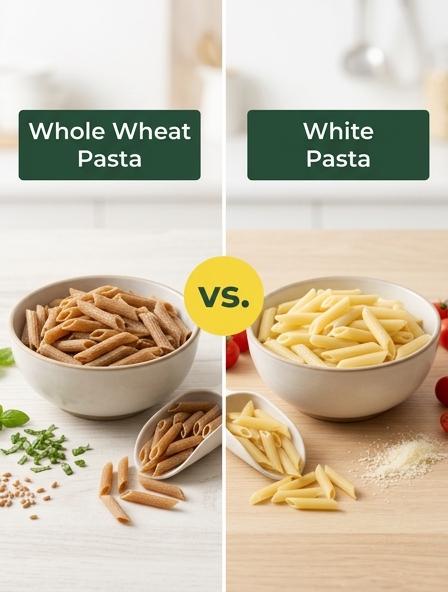
Nutritional Density of Whole Grain and Traditional Semolina Options
Comparing whole wheat pasta to white pasta reveals significant differences in nutrient retention. Whole grain varieties are produced using the entire wheat kernel, preserving the bran and germ. This results in a higher concentration of dietary fiber, protein, and essential minerals. Conversely, white pasta is made from refined semolina flour, which removes the nutrient-rich outer layers to achieve a milder flavor and softer texture.
- Fiber Content: Whole wheat typically contains triple the fiber of white pasta, aiding digestion.
- Glycemic Index: Whole grains have a lower GI, providing sustained energy release.
- Micronutrients: Whole grain options offer more magnesium, iron, and B vitamins naturally.
While white pasta is often enriched with folic acid, it lacks the complex phytonutrients found in its whole-grain counterpart. You might choose the robust, nutty flavor of whole wheat for a fiber-rich Mediterranean salad, or opt for traditional semolina when crafting a classic, velvety Fettuccine Alfredo.
Glycemic Index and Energy Stability for Family Health
Understanding the Glycemic Index (GI) is essential for maintaining consistent energy levels within the household. White pasta is made from refined flour, causing a rapid spike in blood glucose and a subsequent insulin crash. In contrast, whole wheat pasta retains its natural fiber, which slows down the digestion of carbohydrates.
This slower absorption rate ensures a steady release of glucose into the bloodstream, providing long-lasting fuel for both physical and mental activities. Key benefits include:
- Sustained Energy: Avoids the "afternoon slump" common with high-GI foods.
- Improved Satiety: Higher fiber content helps family members feel full longer.
- Mood Stability: Prevents irritability caused by fluctuating blood sugar levels.
Choosing complex carbohydrates supports metabolic health and reduces the risk of insulin resistance over time. You will notice a significant difference when serving whole grain spaghetti before a busy school day, as it keeps your children focused and energized until their next meal.
Texture and Firmness Variations During Preparation
Understanding the structural differences between whole wheat and white pasta is essential for achieving the desired culinary result. Whole wheat pasta, which includes the bran and germ, typically possesses a coarser, denser texture and a nutty flavor profile. In contrast, white pasta is made from refined semolina, offering a smoother, more elastic mouthfeel that many associate with traditional Italian dining.
- Whole Wheat: More fibrous and sturdy, it requires careful monitoring to prevent a grainy or crumbly finish.
- White Pasta: High in starch, it easily reaches a perfect "al dente" firmness with a slippery, silky surface.
Cooking times vary slightly, as the extra fiber in whole grain varieties can make the window between "firm" and "mushy" much narrower. You might prefer the robust, rustic bite of whole wheat penne in a chunky vegetable ragu, while choosing traditional white fettuccine for a delicate, velvety alfredo sauce that requires a smoother finish.
Fiber Content and Digestive Wellness for the Household
The nutritional profile of your pantry staples directly impacts family health. Whole wheat pasta is a powerhouse of insoluble fiber because it contains the entire grain, including the nutrient-dense bran and germ. In contrast, white pasta is refined, stripping away these vital components and significantly reducing its digestive benefits.
- Whole Wheat Pasta: Provides approximately 6–8 grams of fiber per serving, aiding in regular digestion and long-lasting fullness.
- White Pasta: Contains roughly 2–3 grams of fiber, leading to faster glucose absorption and shorter periods of satiety.
A higher fiber intake supports a flourishing gut microbiome, which is essential for immune function and metabolic health. Many families find that swapping traditional noodles for whole wheat penne in a Sunday marinara bake is an easy way to ensure everyone stays energized and satisfied throughout the evening.
Satiety Factors and Weight Management in Home Cooking
When comparing whole wheat pasta to white pasta, the primary differentiator for weight management is dietary fiber. Whole wheat retains the bran and germ, providing complex carbohydrates that digest slowly. This process enhances satiety by regulating blood sugar levels and preventing the rapid insulin spikes associated with refined white flour.
For those managing portion sizes at home, the metabolic impact of these two varieties differs significantly:
- Fiber Content: Whole wheat typically contains three times more fiber than white pasta.
- Glycemic Response: The lower glycemic index of whole grains prevents "hunger crashes."
- Energy Density: Whole wheat provides more volume and nutrients per calorie.
Home cooks often prefer swapping in whole wheat fusilli for their weekly meal prep to ensure they stay full and focused through a long afternoon of meetings without needing a mid-day snack.
Vitamin and Mineral Profiles of Different Flour Bases
The nutritional disparity between whole wheat and white pasta stems directly from the milling process. Whole wheat flour utilizes the entire grain kernel-including the bran, germ, and endosperm-preserving a robust profile of essential micronutrients. In contrast, white pasta is made from refined semolina, which removes the nutrient-dense outer layers.
- Whole Wheat: Naturally high in magnesium, manganese, copper, and B-vitamins like thiamin and niacin.
- White Pasta: Often "enriched" to replace lost nutrients, it typically contains added iron and folic acid but lacks the original mineral complexity and phosphorus.
While white pasta offers a smoother texture, the intact vitamins in whole grain varieties provide better metabolic support. Health-conscious home cooks often reach for whole grain rotini when building a nutrient-dense Mediterranean salad to ensure they stay energized and satiated throughout a busy afternoon.
Sauce Pairing and Flavor Profile Differences in Dishes
The culinary choice between whole wheat and white pasta hinges on balancing flavor intensity and texture. White pasta is prized for its neutral, slightly sweet profile and smooth mouthfeel, making it an ideal canvas for subtle flavors. In contrast, whole wheat pasta possesses a robust, nutty undertone and a denser, grainier texture that can overpower delicate sauces but complements bolder ingredients.
- White Pasta: Best paired with light cream sauces, seafood, lemon-butter glazes, or classic garlic and oil (aglio e olio).
- Whole Wheat Pasta: Best suited for hearty meat ragus, spicy arrabbiata, pungent pesto, or earthy roasted vegetable medleys.
While the refined silkiness of white linguine is the traditional favorite for a delicate clam sauce, many health-conscious foodies love the rustic bite of whole wheat fusilli when tossed with sun-dried tomatoes, kale, and spicy Italian sausage for a satisfying, fiber-rich meal.
Cooking Durations and Structural Integrity in Boiling Water
Whole wheat and white pasta react differently to boiling water due to their distinct grain compositions. White pasta, crafted from refined semolina, typically reaches an al dente state in 8 to 10 minutes. Without the protective bran layer, its starch granules hydrate rapidly, making it susceptible to becoming mushy if overcooked.
Conversely, whole wheat pasta requires 12 to 15 minutes because the dense fiber acts as a barrier to water absorption. This composition grants it superior structural integrity, ensuring the noodles remain firm and chewy under heat.
| Pasta Type | Boiling Time | Texture Integrity |
|---|---|---|
| White Pasta | 8–10 Minutes | Soft/Delicate |
| Whole Wheat | 12–15 Minutes | Firm/Robust |
Home cooks often choose whole wheat fusilli for meal-prep pasta salads because the spirals retain their shape and "bite" even after being tossed with heavy dressings.
Metabolic Impact and Wellness for Daily Living
The metabolic distinction between whole wheat and white pasta centers on fiber content and glycemic response. Whole wheat pasta retains the bran and germ, providing complex carbohydrates that digest slowly. This results in a gradual release of glucose into the bloodstream, supporting stable insulin levels and prolonged satiety.
- Whole Wheat: High fiber (approx. 6g per serving) supports gut health and prevents energy dips.
- White Pasta: Lower fiber (approx. 2g per serving) allows for quicker digestion and rapid glycogen replenishment.
For daily wellness, choosing whole grains reduces the risk of metabolic syndrome by improving lipid profiles and blood sugar regulation. While white pasta is often enriched with iron and B vitamins, it lacks the naturally occurring phytonutrients and magnesium found in the unrefined alternative, which are essential for cellular energy production.
Consider a fitness enthusiast opting for a hearty bowl of whole grain penne at lunch to ensure steady stamina and mental clarity through a demanding afternoon of meetings and a sunset gym session.
Performance in Classic Family Recipes
When swapping whole wheat for white pasta in traditional family meals, the primary differences lie in texture and flavor compatibility. White pasta is prized for its neutral profile and soft mouthfeel, making it a seamless canvas for delicate sauces. In contrast, whole wheat pasta introduces a robust, nutty flavor and a grainier texture that requires bolder pairings to balance the palate.
- White Pasta: Best for creamy alfredo, light garlic oils, and classic buttery noodles.
- Whole Wheat Pasta: Ideal for chunky bolognese, roasted vegetable primaveras, and spicy arrabbiata.
While white pasta is the traditional choice for a silky smooth Carbonara, many families love using whole wheat penne in a baked ziti to add a satisfying, rustic chew that stands up to heavy melted cheese.
Whole Wheat Pasta vs White Pasta source and external links
- Whole wheat pasta is a nutrient-dense alternative to traditional noodles, providing significantly more fiber and essential minerals per serving.
- Commonly made from refined durum wheat flour, white pasta offers a milder flavor and a smoother texture that pairs well with a wide variety of sauces.