
Whole Wheat Pasta vs Regular Pasta: Which is Best for Nutrition, Texture, and Cooking Performance?
Nutritional Profiles of Refined Versus Unrefined Grain Varieties
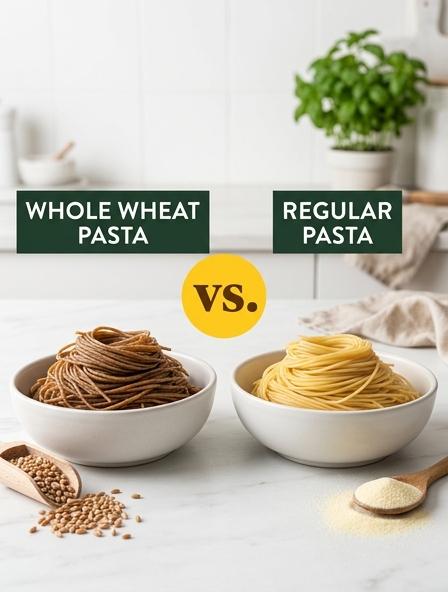
The primary distinction between whole wheat and regular pasta lies in the processing of the grain. Whole wheat pasta utilizes the entire kernel-including the bran, germ, and endosperm-preserving essential nutrients like B vitamins, iron, and magnesium. Regular pasta is crafted from refined semolina flour, which strips away the fiber-rich outer layers to achieve a softer texture and longer shelf life.
| Nutrient | Whole Wheat (Cooked) | Regular (Cooked) |
|---|---|---|
| Dietary Fiber | Higher (~6g per cup) | Lower (~2g per cup) |
| Glycemic Index | Lower (sustained energy) | Higher (quicker spikes) |
Many athletes choose fiber-dense whole wheat noodles for long-lasting fuel before a marathon, while families often stick to traditional white pasta for its classic taste and smooth texture in a Sunday night marinara.
Texture Variations and Mouthfeel in Everyday Cooking
The culinary experience of pasta is largely defined by its structural integrity and surface texture. Regular pasta, crafted from refined semolina, is celebrated for its silky, elastic mouthfeel. It achieves a consistent "al dente" snap that feels light and smooth on the palate. In contrast, whole wheat pasta includes the bran and germ, resulting in a denser, more fibrous consistency.
- Regular Pasta: Features a slippery surface and a mild, neutral profile that highlights delicate sauces.
- Whole Wheat Pasta: Offers a hearty, grainy bite with nutty undertones that stand up to bold ingredients.
These physical differences dictate how sauces adhere to the noodle; the porous nature of whole grain clings to thick, rustic sauces, while the refined version glides through oil-based preparations. Many home cooks prefer using traditional white pasta for a velvety fettuccine alfredo to ensure the sauce remains the star of the dish.
Satiety Levels and Digestive Health Impacts for Families
When comparing whole wheat pasta versus regular pasta, the most significant differences for families are fiber content and glycemic response. Whole wheat pasta is a complex carbohydrate that retains the bran and germ, whereas regular pasta is typically made from refined semolina flour.
- Improved Satiety: The high fiber content in whole wheat helps families feel full for longer periods by slowing down digestion.
- Digestive Support: Insoluble fiber promotes regular bowel movements and supports a healthy gut microbiome for both children and adults.
- Steady Energy: Whole grain options provide a slow release of glucose, preventing the "energy crash" often associated with refined carbohydrates.
While regular pasta offers a milder flavor, the nutrient-dense whole wheat alternative is a functional choice for weight management and long-term metabolic health. Busy parents often prefer serving whole wheat penne during weeknight dinners to ensure the kids stay satisfied until breakfast without requesting extra snacks.
Structural Integrity and Performance During Boiling
The culinary performance of pasta depends heavily on its protein-starch matrix. Regular pasta, crafted from refined semolina, possesses a cohesive gluten network that remains stable during hydration. This structural strength allows it to retain a smooth exterior and a characteristic "al dente" snap.
In contrast, whole wheat pasta incorporates the entire grain kernel. The presence of bran and germ introduces insoluble fiber particles that physically disrupt gluten formation. This results in a more fragile structure that is susceptible to breaking or becoming mushy if overcooked.
- Regular Pasta: Forgiving cooking window with superior shape retention.
- Whole Wheat Pasta: Requires precise timing to avoid a grainy or gummy mouthfeel.
You will appreciate the reliable firmness of regular pasta for elegant dinner parties, while the dense, nutty profile of whole wheat excels in robust Mediterranean salads packed with feta and vinaigrette.
Flavor Nuances and Compatibility with Various Sauces
Choosing between whole wheat and regular pasta significantly impacts the final flavor profile of your meal. Regular pasta, crafted from refined semolina, offers a mild, buttery taste and a smooth, "al dente" snap. Its neutral character acts as a versatile canvas, specifically complementing delicate or cream-based sauces.
- Regular Pasta: Best paired with Alfredo, carbonara, or light lemon-butter glazes.
- Whole Wheat Pasta: Ideal for hearty marinara, spicy arrabbiata, or pungent basil pesto.
Conversely, whole wheat pasta possesses a dense, grainy texture and a distinctively nutty aroma. Because its earthy notes are more pronounced, it requires robust, chunky, or highly acidic sauces to achieve a balanced palate. This ensures the pasta enhances the dish rather than overpowering the ingredients.
You might prefer the earthy bite of whole wheat fusilli tossed in a slow-cooked, savory bolognese when craving a rustic, satisfying dinner that provides a longer-lasting feeling of fullness.
Glycemic Index and Blood Sugar Management Considerations
The primary metabolic difference between whole wheat and regular pasta lies in their Glycemic Index (GI). Whole wheat pasta is a complex carbohydrate that retains its natural fiber, which acts as a buffer during digestion. This structural integrity ensures a slower release of glucose into the bloodstream, helping to maintain stable insulin levels.
- Whole Wheat Pasta: Typically has a lower GI, promoting prolonged satiety and steady energy.
- Regular Pasta: Refined flour is digested more rapidly, leading to quicker blood sugar spikes and subsequent insulin responses.
For those managing insulin sensitivity or looking to avoid energy fluctuations, the fiber found in whole grains is essential. It slows the enzymatic breakdown of starches, preventing the sharp peaks and valleys often associated with processed grains.
You might prefer swapping to whole wheat rotini for your Sunday family dinner to ensure everyone feels full and energized long after the meal is over, rather than facing a collective post-dinner nap.
Sauce Adhesion and Moisture Absorption Qualities
The structural composition of whole wheat pasta differs significantly from regular semolina pasta due to the inclusion of the grain's bran and germ. These elements create a coarser, more porous surface. This physical "roughness" improves sauce adhesion, allowing liquids to cling to the noodles rather than pooling at the bottom of the bowl.
| Feature | Whole Wheat Pasta | Regular Pasta |
|---|---|---|
| Surface Texture | Rough and Porous | Smooth and Silky |
| Absorption Rate | High (Absorbs more liquid) | Moderate |
Whole wheat varieties are naturally "thirstier," meaning they continue to absorb moisture even after being plated. While this helps the pasta integrate with the sauce, it may require the addition of extra pasta water to prevent the dish from becoming dry. Home cooks often prefer pairing whole wheat fusilli with chunky vegetable sauces because its rugged ridges are perfectly designed to trap every bit of flavor and moisture.
Micronutrient Density and Processing Method Differences
The nutritional disparity between whole wheat and regular pasta stems from how the grain is processed. Whole wheat pasta is crafted using the entire grain kernel: the bran, germ, and endosperm. This method preserves essential nutrients and minerals. Conversely, regular pasta is made from refined flour, where the nutrient-dense bran and germ are stripped away.
- Whole Wheat: Rich in magnesium, selenium, and B vitamins due to minimal processing.
- Regular Pasta: Often enriched with synthetic iron and folic acid to compensate for nutrients lost during refining.
- Fiber Content: Whole wheat contains significantly more insoluble fiber, aiding digestion and blood sugar regulation.
While refining creates a milder flavor and softer texture, it sacrifices the complex micronutrient profile found in the whole grain. You might choose the nutty heartiness of whole wheat for a fitness-focused meal prep, or opt for the silky texture of regular semolina when recreating a classic, indulgent Italian carbonara that guests will love.
Versatility in Cold Salads and Oven Baked Dishes
Choosing between whole wheat and regular pasta often depends on the cooking method and desired texture. Whole wheat pasta possesses a robust, grainy structure that excels in hearty applications. Its firm density prevents it from becoming mushy in cold salads, even when marinated in acidic vinaigrettes for hours. In contrast, regular pasta provides a smoother, more neutral base that highlights delicate ingredients.
For oven-baked recipes like casseroles or lasagna, whole wheat's resilience is a major advantage, as it maintains its "al dente" bite despite long exposure to moisture and high heat.
- Cold Preparations: Whole wheat adds a nutty depth that complements raw vegetables; regular pasta is preferred for silky, cream-based dressings.
- Baked Dishes: Whole wheat resists structural breakdown during second-stage cooking; regular pasta offers a classic, soft comfort-food texture.
Imagine serving a vibrant Mediterranean pasta salad at your next summer picnic where the whole wheat rotini stays perfectly firm under a zesty lemon dressing.
Visual Presentation and Aesthetic Contrast on the Plate
The visual distinction between whole wheat and regular pasta is immediate, influencing the overall presentation of a meal. Regular pasta, made from refined durum wheat, features a classic bright golden or creamy white appearance with a smooth, reflective surface. Conversely, whole wheat pasta presents a rustic, deep tan or nut-brown color, often displaying a visible grain texture from the bran and germ.
| Feature | Regular Pasta | Whole Wheat Pasta |
|---|---|---|
| Color | Pale Gold | Earthy Brown |
| Finish | Glossy / Smooth | Matte / Textured |
These aesthetic qualities determine how ingredients pop; for instance, vibrant green herbs stand out against pale semolina, while earthy tones complement darker grains. You might choose the refined, bright aesthetic of traditional linguine for a sophisticated seafood dish, whereas the hearty, tan appearance of whole wheat rotini is perfect for a robust, farm-to-table vegetable harvest bowl.
Whole Wheat Pasta vs Regular Pasta source and external links
- Whole wheat pasta is a nutrient-dense alternative made from the entire grain kernel, providing more fiber and vitamins than refined varieties; read more about Whole Wheat Pasta.
- Regular pasta is typically made from refined durum wheat semolina, resulting in a smooth texture and shorter cooking time; find more details about Regular Pasta.