
Whole Wheat Pasta vs Protein Pasta: Are They The Same? Nutrition, Texture, and Glycemic Index
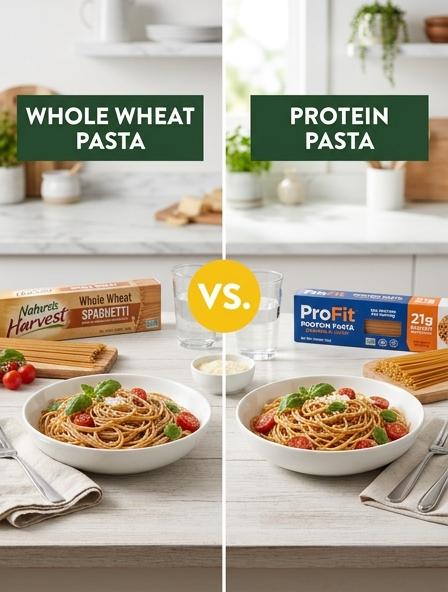
Nutritional Density and Caloric Impact of Grain Versus Legume Flour Noodles
Choosing between whole wheat and protein pasta requires understanding their macronutrient foundations. Traditional whole wheat noodles rely on the entire grain kernel, providing steady energy through complex carbohydrates and moderate fiber. Conversely, protein-enriched pastas-typically milled from legumes like chickpeas or lentils-drastically shift the nutritional profile toward higher amino acid concentrations and indigestible fiber.
While caloric counts remain comparable (averaging 190–210 calories per serving), the metabolic density varies significantly:
- Whole Wheat: Rich in selenium and manganese, supporting long-term heart health.
- Legume Flour: Offers nearly double the protein and a lower glycemic index for better satiety.
Fitness enthusiasts often swap traditional spaghetti for chickpea-based rotini after a heavy lifting session to maximize muscle recovery while enjoying a familiar, high-fiber comfort meal.
Structural Integrity and Texture Changes During Boiling and Sautéing
The culinary performance of whole wheat versus protein pasta depends largely on their unique protein-to-fiber ratios. Whole wheat pasta relies on a traditional gluten matrix, though bran particles can cause a slightly "toothy" or grainy texture if over-boiled. In contrast, protein pastas-typically crafted from lentils, chickpeas, or pea isolates-often release more starch into the water, resulting in a softer structure that is prone to breaking during a vigorous sauté.
- Boiling: Protein pasta requires strict timing to prevent a mushy mouthfeel and excess foaming.
- Sautéing: Whole wheat stands up better to heavy sauces and frequent pan-tossing without losing its shape.
For a robust Sunday bolognese, most home cooks prefer the structural resilience of whole wheat, whereas fitness enthusiasts favor protein pasta for quick, light tosses with olive oil and steamed greens.
Flavor Profiles and Sauce Absorption in Modern Flour Alternatives
Choosing between whole wheat and protein pasta involves balancing distinct tastes and textures. Whole wheat pasta provides a signature nutty, rustic flavor with a grain-forward finish. In contrast, protein pastas-often derived from chickpeas, lentils, or added isolates-carry an earthy, savory undertone and a notably denser mouthfeel.
- Whole Wheat: Best for robust, oil-based sauces like pesto or hearty meat ragù that complement its grainy profile.
- Protein Pasta: Ideal for creamy or vegetable-heavy sauces that compensate for its higher starch release and absorbency.
While whole wheat maintains a firm "al dente" structure, legume-based protein pastas absorb liquid rapidly, often requiring a splash of reserved pasta water to maintain a smooth consistency. Home cooks often prefer tossing chickpea rotini with a vibrant lemon-tahini dressing for a nutrient-dense post-workout lunch that stays moist and flavorful throughout the afternoon.
Satiety Levels and Sustained Energy Release for Daily Family Meals
Choosing between whole wheat and protein pasta impacts how long your family remains energized after dinner. Whole wheat pasta contains the grain's bran and germ, providing complex carbohydrates and fiber that digest slowly. Protein pasta, often crafted from lentils, chickpeas, or edamame, pairs this fiber with a higher protein density to further delay gastric emptying and enhance the feeling of fullness.
- Whole Wheat: High in insoluble fiber for digestive health and steady glucose release.
- Protein Pasta: Superior satiety due to the thermic effect of protein and legume-based nutrients.
By maintaining stable blood sugar levels, both alternatives prevent the "crash" associated with refined white flour, ensuring children and adults stay focused throughout the evening. You will find protein pasta especially useful on busy weeknights when your kids have late sports practices and need a nutrient-dense meal that keeps them satisfied until breakfast.
Fiber Content and Digestive Health Comparison for Household Wellness
Choosing between whole wheat and protein pasta often comes down to dietary fiber and its impact on gut health. Whole wheat pasta is a reliable source of insoluble fiber, which aids in digestion by moving food through the digestive tract efficiently. In contrast, protein pastas-frequently made from chickpeas, lentils, or edamame-often provide a higher concentration of both fiber and plant-based protein, making them highly satiating.
- Whole Wheat: High in bran-derived fiber for consistent bowel regularity.
- Protein Pasta: Rich in prebiotic fibers that support a healthy microbiome.
Both options support weight management and long-term wellness by preventing blood sugar spikes. While whole wheat offers a traditional texture, protein-fortified varieties deliver a denser nutrient profile per serving. Busy parents often prefer protein pasta for a quick weeknight dinner to ensure their kids stay full and focused until bedtime.
Essential Amino Acid Profiles and Macronutrient Balance in Pantry Staples
Choosing between whole wheat and protein pasta requires understanding their nutritional density. Whole wheat pasta excels in fiber and complex carbohydrates but often lacks a complete essential amino acid profile, particularly lysine. Conversely, protein-enriched varieties-frequently crafted from legumes like chickpeas, lentils, or peas-offer a more robust macronutrient balance and higher protein density.
- Whole Wheat: High in B vitamins and manganese; provides sustained energy but has a higher glycemic load.
- Protein Pasta: Often contains 20-25g of protein per serving and provides a complete amino acid profile necessary for muscle repair.
While traditional wheat relies on grain-based proteins, legume alternatives provide the branched-chain amino acids (BCAAs) that support metabolic health. You might reach for a chickpea-based rotini when you want a quick, one-pot post-workout meal that hits your protein targets without the need for an additional meat source.
Glycemic Index Variations and Blood Sugar Management for Healthy Living
Understanding the Glycemic Index (GI) is essential for maintaining stable energy levels and metabolic health. While both options are superior to refined white flour, they impact blood glucose differently. Whole wheat pasta offers a moderate GI due to its intact fiber content, whereas protein pasta-often made from legumes like chickpeas or lentils-typically features an even lower glycemic load.
- Whole Wheat Pasta: Contains complex carbohydrates and bran, resulting in a gradual glucose release.
- Protein Pasta: The high protein-to-carb ratio significantly slows digestion, further buffering insulin spikes.
By opting for these nutrient-dense alternatives, you can effectively manage weight and reduce the risk of insulin resistance. Many busy professionals prefer swapping traditional spaghetti for a lentil-based alternative during lunch to maintain sharp cognitive focus and avoid the dreaded afternoon "carb crash" at the office.
Cooking Time Efficiency and Starch Release in Different Noodle Bases
Understanding the molecular behavior of different noodle bases is essential for achieving the perfect texture. Whole wheat pasta, rich in fibrous bran, typically requires a longer boiling time of 9 to 12 minutes to soften its dense structure. In contrast, protein-enriched pastas-often derived from legumes like chickpeas or lentils-boil faster but release significantly more starch and foam into the cooking water.
- Whole Wheat: Maintains structural integrity longer; produces a classic starchy water ideal for sauce emulsification.
- Protein Pasta: Rapid hydration; requires precise timing to avoid a grainy or mushy mouthfeel due to high legume-starch solubility.
While the hearty texture of whole wheat is a pantry staple for slow-simmered ragus, fitness enthusiasts often choose chickpea protein pasta for a lightning-fast, high-nutrient dinner after a long gym session.
Sensory Experience and Mouthfeel in Traditional and Fortified Varieties
Choosing between whole wheat and protein pasta often comes down to the tactile experience on the palate. Whole wheat pasta is characterized by its signature "al dente" firmness and a slightly coarse, fibrous texture that grips rustic sauces effectively. In contrast, protein-fortified varieties-typically crafted from chickpeas, lentils, or soy-offer a denser, more springy bite that feels uniquely substantial.
While legume-based pastas may exhibit a slightly floury or grainy finish compared to the smooth surface of refined grains, they provide a distinct satiety. The following table summarizes the primary sensory differences:
| Attribute | Whole Wheat Pasta | Protein-Fortified Pasta |
|---|---|---|
| Texture | Coarse and Fibrous | Dense and Chewy |
| Mouthfeel | Grainy/Firm | Smooth/Tender |
Health-conscious foodies often prefer the heavy, satisfying chew of chickpea rotini for a quick post-gym meal, while traditionalists enjoy the earthy, rustic snap of whole wheat spaghetti paired with a simple garlic oil.
Micronutrient Distribution and Mineral Absorption in Varied Flour Sources
Comparing whole wheat pasta to protein-enriched varieties reveals significant differences in micronutrient density and bioavailability. Whole wheat is a natural powerhouse of manganese, selenium, and magnesium. However, protein pastas-frequently formulated from chickpeas, lentils, or peas-typically offer superior levels of non-heme iron, potassium, and folate.
A critical factor in nutritional value is the presence of phytates. While whole grains contain phytic acid which can hinder the absorption of zinc and calcium, legume-based pastas often provide a different mineral profile that may favor those with specific dietary deficiencies.
- Whole Wheat: Rich in B-vitamins and essential trace minerals for metabolic health.
- Protein Pasta: High in electrolytes and iron, supporting oxygen transport and muscle recovery.
Fitness enthusiasts often reach for chickpea-based protein pasta after a heavy lifting session to efficiently replenish potassium levels while hitting their macro targets without the bloat sometimes associated with heavy grain consumption.
Whole Wheat Pasta vs Protein Pasta source and external links
- Whole wheat pasta is a nutrient-dense alternative to refined varieties, providing significantly more fiber and essential minerals per serving. Learn more about the benefits of fiber-rich grains.
- Protein pasta is typically crafted from legumes like lentils or chickpeas to provide a higher protein content and a lower glycemic index than traditional flour-based noodles. Explore various options for plant-based protein alternatives.