
White Button Mushrooms vs White Mushrooms: The Differences in Nutritional Density, Culinary Performance, and Economic Value.
If you have ever found yourself puzzled in the produce aisle, you are likely comparing White Button mushrooms to generic White mushrooms. While both belong to the Agaricus bisporus species, identifying their unique strengths is key to elevating your home cooking. These mushrooms are celebrated for their incredible economic value, offering a high-impact nutritional density-rich in antioxidants, selenium, and B vitamins-at a fraction of the cost of exotic varieties. Their reliable culinary performance, characterized by a mild earthy flavor and adaptable texture, makes them perfect for everything from gourmet sautés to simple salads. Mastering these kitchen staples ensures budget-friendly, delicious, and healthy meals every time.
Nutritional Density Comparison For Healthy Family Meals
When comparing white button mushrooms and white mushrooms, it is essential to recognize they are biologically identical, both belonging to the Agaricus bisporus species. These fungi are nutritional powerhouses, providing a dense profile of micronutrients that are vital for a balanced family diet. Because they are low in calories and fat-free, they serve as an ideal ingredient for increasing meal volume without compromising health goals.
- B-Vitamins: Rich in riboflavin and niacin to support energy metabolism.
- Selenium: A potent antioxidant that helps protect cells from damage.
- Potassium: Crucial for heart health and maintaining proper fluid balance.
- Low Sodium: Naturally low in salt, making them heart-healthy for all ages.
You can finely dice these mushrooms and mix them into lean ground turkey for "The Blend" meatballs, creating a juicy, nutrient-packed dinner that even your most vegetable-averse children will enjoy.
Texture Stability During Various Heat Applications
White button mushrooms, often interchangeably labeled as white mushrooms, possess a unique cellular structure that provides remarkable texture stability. Composed largely of chitin, their cell walls do not easily break down under high temperatures, allowing them to retain a firm, "meaty" bite. While they release significant moisture during the initial stages of cooking, the remaining fibers condense to create a concentrated, satisfying mouthfeel.
- Sautéing: Develops a golden-brown, snappy exterior while keeping the center succulent.
- Roasting: Encourages water evaporation, resulting in a dense and chewy consistency.
- Braising: Effectively absorbs surrounding liquids without losing structural integrity or turning mushy.
This thermal resistance makes them a reliable staple for both rapid high-heat sears and long-duration simmered dishes. You will appreciate how these mushrooms maintain their signature bounce and plump volume even after being simmered for hours in a rich, savory beef bourguignon.
Natural Flavor Profiles In Everyday Kitchen Use
In the culinary world, white button mushrooms and white mushrooms are actually the same variety, harvested at the earliest stage of growth. Their flavor profile is characterized by a mild, woodsy earthiness that is subtle enough to complement rather than overpower other ingredients. These mushrooms possess a high water content and a firm, porous texture, making them excellent at absorbing sauces and seasonings.
- Raw: Offers a crisp bite with a faint, nutty finish.
- Sautéed: Develops a deeper umami richness as moisture evaporates.
- Roasted: Concentrates the natural sugars for a savory, caramelized edge.
Because they are so versatile, they serve as a foundational ingredient in everything from rustic stews to delicate appetizers. You might prefer dicing them finely into a morning omelet or sautéing them with fresh thyme and garlic to create a classic topping for a pan-seared steak.
Moisture Release Effects On Sauce Consistency
Whether labeled as white button mushrooms or simply white mushrooms, these fungi contain nearly 90% water. When heat is applied, the cellular structure breaks down, releasing internal fluids into your dish. This process can significantly alter the viscosity of sauces if not managed correctly.
| Cooking Method | Impact on Sauce |
|---|---|
| Direct Simmering | High moisture release; thins the sauce consistency. |
| Preliminary Sauté | Moisture evaporates first; sauce remains thick and rich. |
To avoid a watery consistency, chefs often brown mushrooms separately to concentrate their earthy umami flavor and lock in texture. You might find that pre-searing your mushrooms is the secret to keeping your creamy Marsala sauce perfectly thick and coating every strand of pasta.
Freshness Maintenance And Storage Life Realities
When comparing white button mushrooms versus white mushrooms, it is important to note they are the same species with identical shelf-life needs. Typically, these mushrooms stay fresh for 4 to 7 days when refrigerated properly. The key to longevity is moisture control; excess humidity leads to sliminess, while too much airflow causes shriveling.
- Packaging: Transfer mushrooms from plastic wrap to a breathable paper bag to absorb moisture.
- Washing: Avoid rinsing until immediately before use to prevent premature decay.
- Temperature: Store in the main body of the refrigerator rather than the crisper drawer for better air circulation.
You will appreciate this storage method when you reach into the fridge after five days and find firm, spotless mushrooms ready for a gourmet steak topping or a fresh garden salad.
Preparation Suitability For Raw Or Cooked Use
White button mushrooms and white mushrooms are essentially the same variety, prized for their extreme culinary adaptability. Their mild, earthy profile allows them to transition seamlessly between raw and cooked states depending on the desired texture and flavor intensity.
- Raw Application: When served raw, they maintain a crisp, firm snap. They are best utilized when sliced thinly to provide a subtle crunch in salads or as part of a crudité platter.
- Cooked Application: Heat breaks down their cellular structure, intensifying their umami flavor. They act like sponges, readily absorbing fats, herbs, and sauces.
Because of this versatility, these mushrooms are a staple for both quick snacks and elaborate entrees. You might enjoy them sliced raw over a refreshing garden salad for a light lunch or sautéed in garlic butter to create a savory topping for a grilled steak.
Dietary Impact And Health Property Differences
In the culinary world, white button mushrooms and white mushrooms are often discussed as distinct options, but they are actually the same species: Agaricus bisporus. Because they are biologically identical, their dietary impact remains consistent. These fungi are low-calorie nutritional powerhouses, providing a rich source of B vitamins, such as riboflavin and niacin, which are essential for energy metabolism and neurological health.
Their health properties are largely driven by bioactive compounds:
- Antioxidants: Both contain ergothioneine, which helps reduce systemic oxidative stress.
- Immune Support: High levels of selenium and beta-glucans assist in strengthening immune responses.
- Gut Health: Their prebiotic fibers serve as fuel for beneficial gut bacteria.
Because they are virtually sodium-free and fat-free, health-conscious cooks frequently swap processed meat for finely chopped white mushrooms in a "blendarian" burger to achieve a rich, savory umami flavor while significantly reducing overall calorie intake.
Performance In High Heat And Slow Cooking Methods
White button mushrooms and standard white mushrooms react identically to thermal processing due to their high water content. When exposed to high heat, such as searing or sautéing, these mushrooms quickly release moisture. To achieve a rich, golden-brown caramelization, it is vital to avoid overcrowding the pan, which allows steam to escape and encourages the Maillard reaction.
- Searing: High heat concentrates their mild flavor into an intense, savory profile.
- Braising: In slow cookers, they remain structurally sound while absorbing the surrounding broths and spices.
- Texture: Their cellular structure resists breaking down, keeping them "meaty" even after long simmer times.
You will appreciate their versatility when you toss them into a scorching cast-iron skillet with butter and thyme, watching them shrink into concentrated, flavor-packed bites that perfectly top a grilled ribeye.
Economic Value And Grocery Budget Impact
When analyzing white button mushrooms versus white mushrooms, it is essential to recognize they are the same variety, representing the most affordable option in the produce department. Their large-scale cultivation ensures consistent year-round pricing, making them a primary choice for budget-conscious households.
- Cost Efficiency: Typically priced 40-50% lower than gourmet varieties like shiitake or oyster mushrooms.
- Volume Advantage: Buying whole mushrooms in bulk further reduces the price per ounce compared to pre-packaged or pre-sliced containers.
- Substitution Value: Their firm texture allows them to replace or extend meat in various recipes, significantly lowering the overall cost per serving.
Because they are nutritionally dense yet inexpensive, they provide a high return on investment for shoppers seeking healthy, versatile ingredients without inflating their weekly food spend.
You can finely dice these mushrooms to blend with ground beef, effortlessly stretching a single pound of meat to feed a family of six while adding savory depth to your tacos.
Visual Presentation And Aesthetic Plating Differences
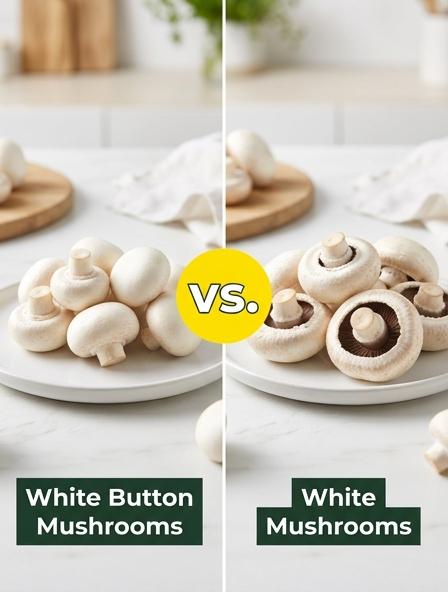
Though they belong to the same species, the visual impact of white button mushrooms versus standard white mushrooms depends entirely on their growth stage. White button mushrooms are the youngest harvest, characterized by their small, spherical shape and tightly closed veils that hide the gills. Standard white mushrooms are slightly more mature, offering a broader cap and a more robust silhouette on the plate.
- White Button: Features a pristine, pearl-like uniformity and a compact structure, making them ideal for being served whole.
- Standard White: Provides a larger surface area, which is superior for creating thick, meaty slices that showcase the traditional mushroom profile.
In professional plating, the choice often hinges on whether the chef desires a delicate, symmetrical garnish or a rustic, textured appearance. You might choose to use whole, butter-glazed button mushrooms to add a sophisticated, high-end finish to a beef bourguignon that your guests will find incredibly appetizing.
White Button Mushrooms vs White Mushrooms source and external links
- White button mushrooms are the most widely cultivated edible fungi in the world and are valued for their mild flavor and dense nutritional profile. White button mushrooms
- Commonly used in a variety of culinary dishes, white mushrooms provide essential nutrients like B vitamins, selenium, and potassium. White mushrooms