
White Button Mushroom vs Portobello Mushroom: Which is Best for Texture, Nutrition, and Culinary Depth?
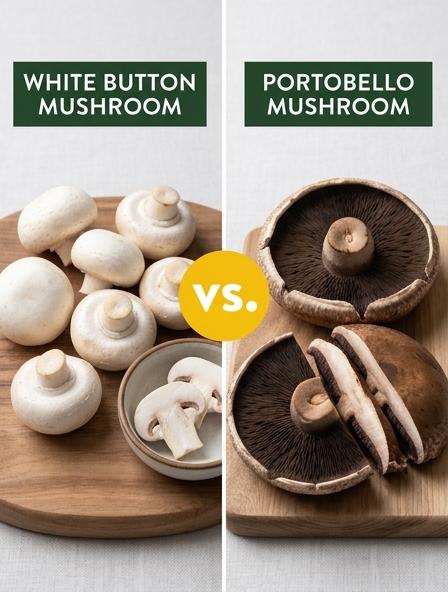
Deciding between white button and portobello mushrooms depends largely on the texture and flavor depth your recipe requires. Interestingly, both belong to the same species, yet their maturity levels define their unique culinary roles. White button mushrooms are harvested early, offering a mild taste and firm snap that's perfect for fresh salads or quick sautés. Conversely, portobellos are the fully mature version, boasting a dense, meaty texture and intense umami profile ideal for grilling or stuffing. While both provide excellent nutrition through B-vitamins and antioxidants, choose the delicate white button for subtle versatility and the robust portobello for a hearty, plant-based centerpiece.
Flavor Profile Comparisons and Culinary Depth
While they belong to the same species, White Button and Portobello mushrooms provide vastly different sensory experiences due to their harvest stages. White buttons are the "youthful" version, offering a mild, slightly grassy, and subtle earthy taste. Their high moisture content and delicate structure allow them to blend seamlessly into dishes without dominating the palate. In contrast, Portobellos are the fully mature stage, characterized by a significant loss of moisture which concentrates their savory umami compounds.
- White Button: Crisp, mild, and versatile for raw or lightly cooked applications.
- Portobello: Dense, "meaty," and intensely woody, perfect for searing or smoking.
Many home cooks love using the robust Portobello as a thick, juicy plant-based burger patty, while they prefer the understated white button for adding a gentle texture to a creamy beef stroganoff.
Structural Integrity and Texture During Cooking
Maturity plays a critical role in how these mushrooms respond to heat. White Button mushrooms possess a higher moisture content and a softer cell structure. When sautéed, they release significant liquid and shrink considerably, resulting in a tender, delicate bite that blends into sauces.
In contrast, Portobello mushrooms are fully mature, meaning they have lost much of their water weight. This leads to a dense, "meaty" texture that maintains its structural integrity even under intense heat.
- White Button: Softens rapidly; best for soups, stews, or quick sautés.
- Portobello: Remains firm and chewy; ideal for high-heat roasting or grilling.
Home cooks often favor the large Portobello cap for its ability to serve as a sturdy, grill-marked burger patty that won't fall apart on the bun.
Nutritional Concentration and Daily Health Benefits
Though they belong to the same species, Agaricus bisporus, the nutritional profile of these mushrooms shifts as they mature. White button mushrooms are harvested early, offering a concentrated source of riboflavin (Vitamin B2) and copper, which are essential for energy production and cardiovascular health. Portobellos, the fully mature stage, develop deeper nutrient densities in specific areas due to moisture loss during growth.
- Antioxidants: Both contain ergothioneine, but Portobellos often have higher levels of selenium, supporting immune defense.
- Potassium: Mature Portobellos provide significantly more potassium, aiding in blood pressure regulation.
- Weight Management: Both are low in calories and high in fiber, making them ideal for glucose control.
Both varieties synthesize Vitamin D when exposed to UV light, providing a rare plant-based source of this vital nutrient. Many health-conscious foodies enjoy using a large, roasted Portobello cap as a fiber-rich, savory substitute for a traditional hamburger bun to lower their daily carbohydrate intake.
Moisture Retention and Liquid Release in Recipes
While White Button and Portobello mushrooms are the same species, their maturity significantly impacts moisture behavior during cooking. White Buttons are immature, containing a high water-to-flesh ratio that leads to rapid liquid release and substantial shrinkage when exposed to heat.
- White Button: Releases moisture quickly; ideal for sautéing where rapid evaporation occurs.
- Portobello: Denser and slightly drier due to longer aging; retains structural integrity but can "bleed" dark liquid from its gills.
Portobellos offer a meatier texture because they have already lost a portion of their water content naturally during the growth cycle. This makes them less likely to turn "mushy" compared to their younger counterparts. You might prefer using White Buttons for a delicate cream sauce to maintain a light color, whereas a Portobello is the perfect choice for a robust, grilled "burger" cap that needs to stay firm and juicy without losing its shape.
Satiety Factors and Performance as Meat Alternatives
Both white button and portobello mushrooms are exceptional for weight management due to their high water content and dietary fiber. They contain beta-glucans, which enhance satiety by slowing digestion and signaling fullness to the brain. While nutritionally similar, their structural maturity dictates how they perform as meat substitutes:
- Portobello: Their dense, low-moisture texture makes them the "steak" of the fungi world, offering a hearty mouthfeel.
- White Button: Their mild flavor and high moisture are perfect for "The Blend," where chopped mushrooms are mixed with ground meat to reduce calories.
Because they are rich in umami-providing amino acids, these mushrooms satisfy savory cravings without the saturated fat found in beef. This makes them a primary choice for those transitioning to plant-forward diets without sacrificing satisfaction. Many health-conscious foodies love marinating a thick portobello cap in balsamic glaze to serve as a juicy, fiber-rich burger patty that keeps them full until their next meal.
Surface Characteristics and Preparation Efficiency
White button mushrooms feature a smooth, ivory skin and tight veils, making them exceptionally easy to rinse and slice quickly. In contrast, Portobello mushrooms-the mature version of the same species-possess a rugged, brownish exterior and wide-open caps. The primary difference in preparation efficiency involves the gills; Portobellos have prominent dark lamellae that can bleed moisture and discolor sauces, often requiring manual removal with a spoon before cooking.
| Characteristic | White Button | Portobello |
|---|---|---|
| Cap Surface | Silky and delicate | Firm and textured |
| Prep Speed | High (Rinse and go) | Moderate (Cleaning needed) |
You might prefer the effortless prep of white buttons for a quick weeknight stir-fry, while reserving the large, gill-cleansed Portobello caps for a hearty, slow-roasted vegetarian burger.
Aromatic Strength and Influence on Savory Bases
While White Button and Portobello mushrooms belong to the same species, their maturity levels dictate their aromatic impact. White buttons are harvested young, offering a mild, slightly grassy scent that integrates seamlessly into light cream sauces without overpowering other ingredients. In contrast, Portobellos are fully mature, possessing a concentrated, muskier aroma that anchors complex savory bases.
| Mushroom Type | Aromatic Profile | Base Influence |
|---|---|---|
| White Button | Subtle, Delicate | Supports light, clean flavors |
| Portobello | Earthy, Robust | Provides deep umami backbone |
The lower moisture content in Portobellos intensifies the Maillard reaction during cooking, releasing a profound depth that white mushrooms lack. Many home cooks love dicing Portobellos into a thick red wine reduction to create a "meaty" vegetarian gravy that rivals the richness of traditional beef stock.
Mineral Bioavailability and Dietary Impact
While White Button and Portobello mushrooms are the same species, their mineral density fluctuates with maturity. Portobellos often contain slightly higher concentrations of potassium and phosphorus due to lower moisture content as they age. Both varieties are exceptional sources of selenium, a potent antioxidant that supports immune function.
To maximize mineral bioavailability, heat application is essential. Cooking breaks down the indigestible chitin cell walls, releasing the locked-in micronutrients for better intestinal absorption. Their high mineral-to-calorie ratio makes them ideal for nutrient-dense dieting.
- Selenium: Crucial for DNA synthesis and thyroid health.
- Potassium: Essential for maintaining healthy blood pressure levels.
- Copper: Assists in iron absorption and cardiovascular health.
You might opt for a sliced Portobello cap as a hearty, mineral-rich meat substitute in your favorite balsamic-glazed vegetarian burger.
Visual Presentation and Aesthetic Differences in Plates
The visual impact of a dish often depends on the maturity of the mushroom used. White button mushrooms offer a clean, delicate aesthetic; their ivory color and petite, uniform shapes make them perfect for light-colored sauces and elegant garnishes. Conversely, Portobello mushrooms provide a bold, rustic presence. As the fully mature stage of the Agaricus bisporus, they feature large, dark brown caps and prominent chocolate-colored gills that create a striking contrast on the plate.
| Feature | White Button | Portobello |
|---|---|---|
| Color | Bright White/Cream | Dark Umber/Brown |
| Visual Scale | Bite-sized/Subtle | Steak-like/Substantial |
You might prefer the understated elegance of sliced white buttons for a refined spring salad, while reaching for the wide, textured Portobello cap when you want a dramatic, meaty centerpiece for a gourmet plant-based burger.
Storage Requirements and Freshness Longevity
While white button and Portobello mushrooms are the same species, their maturity levels dictate their shelf life. White button mushrooms are harvested young, featuring a closed-cap structure that helps retain moisture, typically lasting five to seven days in the refrigerator. Portobellos are fully mature with wide-open gills, making them more prone to dehydration and spoilage, usually offering a shorter window of three to five days.
- Breathability: Store both types in paper bags rather than plastic to prevent slime-inducing condensation.
- Moisture Control: Avoid washing mushrooms until right before cooking to extend their firmness.
- Placement: Keep them in the main fridge compartment rather than high-humidity crisper drawers.
You might prefer keeping a carton of white buttons for versatile weekday stir-fries, while picking up oversized Portobellos specifically for a same-day gourmet burger swap.
White Button Mushroom vs Portobello Mushroom source and external links
- The White Button mushroom is the most commonly cultivated and consumed mushroom variety in the world, known for its mild flavor and versatile culinary uses.
- The Portobello mushroom is the fully mature version of the same species, featuring a large, meaty texture that makes it a popular choice for grilling and vegetarian entrees.