
European vs. Domestic Unsalted Butter: Which is Best for Flaky Pastries, Flavor Profiles, and Heat Tolerance?
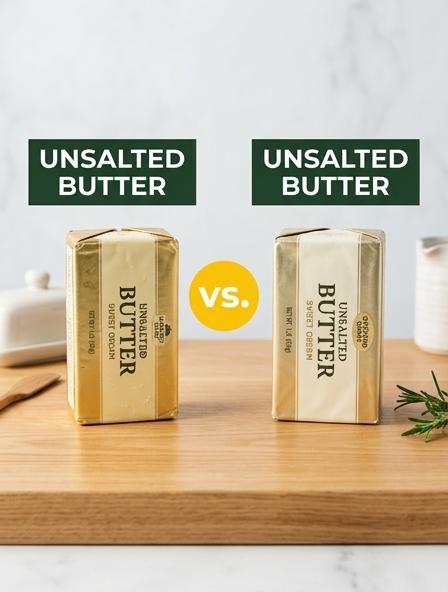
Fat Percentage Discrepancies and Impact on Baked Goods
Not all unsalted butters are created equal. The primary differentiator between brands is the butterfat percentage. While standard commercial options usually contain 80% fat, premium or European-style butters range from 82% to 86%. Because butter is a balance of fat, water, and milk solids, a higher fat content means less water is introduced into your dough.
- Standard (80% Fat): Contains more water, which can increase gluten development and provide more steam for lift.
- High-Fat (82%+ Fat): Offers a richer flavor profile and yields a more tender, melt-in-the-mouth crumb in shortbreads.
Understanding these ratios allows for greater precision in the kitchen. You might choose a high-fat European unsalted butter when laminating puff pastry to ensure the layers remain distinct, flaky, and exceptionally flavorful.
Grass Fed Versus Conventional Farming Health Profiles
When comparing unsalted butter varieties, the primary distinction lies in the animal's diet. Grass-fed butter is widely considered nutritionally superior to conventional grain-fed options due to its higher concentration of bioactive compounds and fat-soluble vitamins.
- Omega-3 Fatty Acids: Grass-fed dairy typically contains a better ratio of Omega-3 to Omega-6, supporting heart health.
- Vitamin K2: This essential nutrient, often higher in pasture-raised butter, plays a critical role in calcium metabolism and bone density.
- CLA (Conjugated Linoleic Acid): Research suggests grass-fed butter provides significantly more CLA, which is linked to metabolic benefits.
While conventional unsalted butter remains a cost-effective and reliable staple for high-volume baking, it lacks the deep beta-carotene pigment found in grass-fed alternatives. Home chefs often choose a vibrant, golden slab of grass-fed butter to melt over a hot, seared steak, allowing the rich, herbaceous flavor profile to elevate the entire meal.
Water Content Ratios and Their Effect on Flaky Layers
When comparing different brands of unsalted butter, the moisture percentage is the secret variable that dictates dough performance. While standard commercial butters typically contain 16% to 18% water, premium high-fat options reduce this ratio to provide superior stability and texture in laminated pastries.
- Steam Generation: As water evaporates in a hot oven, it creates the internal pressure necessary to lift and separate dough layers.
- Gluten Control: Lower water content prevents excessive gluten development, ensuring a delicate "short" texture rather than a chewy or tough one.
- Pliability: Butter with less water and more fat remains plastic when chilled, allowing it to be rolled into paper-thin sheets without breaking.
Professional pastry chefs often reach for European-style unsalted butter when they want that signature "shatter" in a mille-feuille or the perfect honeycomb structure in a morning croissant.
Fermented Versus Fresh Cream Flavor Differences
The primary distinction between types of unsalted butter lies in the fermentation process. Most standard unsalted varieties are "sweet cream" butters, manufactured from fresh, pasteurized cream. This results in a mild, clean, and subtly milky flavor profile that integrates seamlessly into recipes without adding complexity. In contrast, fermented-or cultured-butter involves adding live bacterial cultures to the cream before churning.
This biological maturation process develops a more sophisticated palate, characterized by the following traits:
- Sweet Cream: Offers a neutral, creamy base ideal for delicate sponge cakes.
- Fermented: Provides a tangy, nutty, and intensely aromatic finish due to increased lactic acid.
While both are unsalted, the higher butterfat and acidity of the fermented version offer a distinct culinary advantage. You might choose a high-quality cultured unsalted butter when preparing a flaky shortcrust pastry to achieve that sought-after professional bakery aroma and a rich, savory depth.
Heat Tolerance and Browning Behavior in Various Brands
Not all unsalted butters react identically when hitting a hot pan. The discrepancy in performance stems from the ratio of butterfat to milk solids and water. High-fat, European-style butters (typically 82% fat or higher) melt more efficiently and offer a more controlled transition to beurre noisette. Conversely, brands with higher water content often sputter and foam excessively, which can lead to uneven browning or premature burning of the milk solids.
| Butter Type | Browning Characteristics | Ideal Heat Application |
|---|---|---|
| High-Fat (European) | Slow, rich amber color; nutty aroma. | Searing and Basting |
| Standard (Commodity) | Fast browning; high moisture evaporation. | General Baking |
Home cooks love using a high-fat cultured unsalted butter when basting a thick-cut steak, as it creates a sophisticated, deep-gold crust without the bitterness of scorched solids.
European Versus Domestic Manufacturing Standards
The distinction between European and domestic unsalted butter stems from rigorous manufacturing regulations regarding fat and moisture content. In the United States, USDA standards mandate a minimum of 80% butterfat. Conversely, European-style butter is churned longer to reach 82% to 85% butterfat, resulting in a richer texture and significantly lower water content.
- Texture: European butter is softer and more pliable due to the higher fat ratio.
- Flavor: European varieties are often cultured (fermented), providing a subtle tang compared to the neutral, sweet cream profile of domestic butter.
- Performance: Lower moisture means less steam during baking and a higher smoke point for stovetop searing.
You will notice the difference most when lamination is key, such as when you are folding dough for homemade brioche and require that extra elasticity and deep buttery aroma that only high-fat European blocks provide.
Nutritional Composition and Caloric Variance
While the labels may both read "unsalted butter," the nutritional profile often differs based on the butterfat percentage and the churning process. Standard unsalted butter typically contains 80% milkfat, with the remainder being water and milk solids. In contrast, premium or European-style unsalted butters often feature a higher fat content of 82% to 86%. This shift results in a slight caloric increase but significantly lower moisture levels.
| Attribute | Standard Unsalted | European-Style Unsalted |
|---|---|---|
| Butterfat % | 80% | 82% - 86% |
| Calories (tbsp) | ~100 kcal | ~110 kcal |
The variance in fat concentration influences how the butter melts and incorporates into doughs. You might prefer the higher fat density of a premium unsalted block when aiming for the perfect, flaky lamination in professional-grade pastries.
Aroma Development and Chemical Changes During Melting
Melting unsalted butter triggers a series of transformative chemical reactions that define its culinary profile. As heat is applied, the butter emulsion breaks, leading to water evaporation and the separation of milk solids. Without salt to mask the delicate nuances, the Maillard reaction proceeds cleanly, allowing for a pure interaction between amino acids and lactose.
- Phase Separation: Water evaporates at 212°F, concentrating the fat and proteins.
- Maillard Reaction: Milk solids undergo browning, creating complex aromatic molecules.
- Aroma Release: Volatile compounds like lactones and methyl ketones provide a rich, toasted scent.
This thermal progression transforms simple fat into beurre noisette, a golden liquid prized for its distinct hazelnut-like fragrance and depth of flavor. Professional pastry chefs often utilize this specific melting point to infuse delicate shortbread with a deep, toasted warmth that elevates the cookie's aromatic complexity.
Emulsification Properties and Texture Consistency in Frostings
When comparing different types of unsalted butter, the primary differentiator in frosting quality is the butterfat-to-water ratio. High-fat unsalted butters, often labeled as European-style, achieve superior emulsification. This chemical bond between fats and liquids creates a stable, silky buttercream that resists "weeping" or breaking.
- High-Fat Butter (82-86%): Produces a denser, richer consistency with better structural integrity for piping.
- Standard Unsalted Butter: Contains more moisture, which may lead to a fluffier but less stable texture in warm environments.
The plastic range of the butter also dictates how smoothly the frosting spreads and how well it holds air during the creaming process. Choosing a butter with lower water content ensures that the sugar crystals dissolve perfectly into the fat. You might prefer using a high-fat European unsalted butter when piping intricate roses on a wedding cake to ensure the petals maintain sharp, defined edges without sagging.
Oxidation Rates and Storage Stability Factors
Understanding the shelf life of butter requires analyzing how salt influences lipid oxidation. Salted butter contains sodium chloride, which acts as a preservative by reducing water activity and inhibiting bacterial growth. However, salt can also function as a pro-oxidant, potentially accelerating the breakdown of fats when exposed to light or oxygen. In contrast, unsalted butter is generally produced more frequently and sold fresher because it lacks these preservative qualities.
- Unsalted Butter: Higher moisture availability; shorter shelf life; requires stricter temperature control.
- Salted Butter: Lower water activity; enhanced microbial stability; potential for "metallic" oxidation notes over long periods.
Because unsalted butter lacks the protective barrier of salt, it is more susceptible to absorbing external refrigerator odors and spoiling quickly. Professional bakers often choose unsalted blocks to ensure total control over flavor and salt concentration, especially when preparing delicate puff pastries that require the purest dairy essence available.
Unsalted Butter vs Unsalted Butter source and external links
- Unsalted butter is preferred for baking because it allows the cook to control the exact amount of salt in a recipe, as detailed in this overview of unsalted butter.
- Professional chefs often choose unsalted butter to maintain a consistent flavor profile in delicate sauces and pastries.