
Unsalted Butter vs Salted Butter : Which is Best for Pastry Texture, Sodium Management, and Flavor Control?
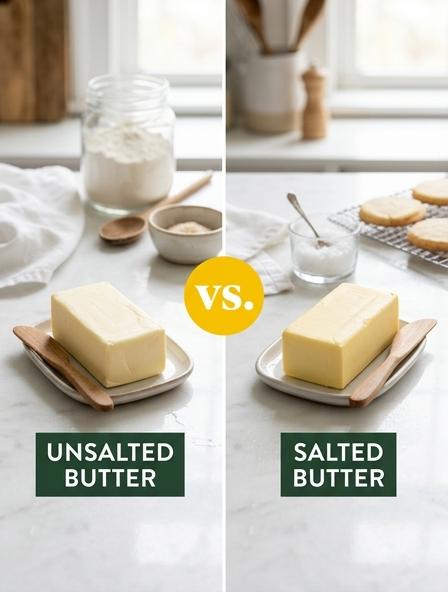
Sodium Levels and Family Heart Health
Choosing between unsalted and salted butter is a critical decision for managing long-term family cardiovascular wellness. Salted butter typically contains approximately 90mg of sodium per tablespoon, whereas unsalted butter contains nearly zero. Excessive sodium intake is a primary contributor to hypertension and increased heart disease risk across all age groups.
| Butter Type | Avg. Sodium per Tablespoon | Dietary Impact |
|---|---|---|
| Unsalted Butter | ~0-2mg | Heart-healthy; total salt control |
| Salted Butter | ~90mg | Contributes to daily sodium limits |
By opting for the unsalted variety, families can better adhere to low-sodium diets recommended by health professionals without sacrificing the rich texture of dairy. Many health-conscious parents reach for the unsalted stick to ensure they have total control over the sodium levels in their children's Sunday morning pancakes.
Moisture Content and Pastry Crust Texture
The distinction between unsalted and salted butter extends beyond flavor, significantly impacting the structural integrity of baked goods. Salted butter often possesses a higher moisture content because salt is frequently added via a brine solution. This additional water is a critical factor in pastry chemistry; when moisture meets flour, it facilitates gluten development.
- Unsalted Butter: Features a higher fat-to-water ratio, promoting a tender, "short," and flaky crust.
- Salted Butter: Added moisture can over-activate gluten, potentially resulting in a tough or chewy texture.
Professional bakers prioritize unsalted butter to maintain precise control over both sodium levels and the hydration of the dough. You will appreciate the superior flakiness of unsalted butter when preparing a delicate homemade puff pastry or a traditional lattice-top fruit pie for a festive family gathering.
Flavor Balance and Seasoning Control in Cooking
The primary distinction between unsalted and salted butter lies in the level of culinary control. Unsalted butter provides a neutral fat base, allowing the natural creaminess to shine without pre-existing sodium interference. Professional chefs and bakers typically favor unsalted varieties because salt concentrations vary significantly by brand, making it difficult to achieve consistent results in delicate recipes.
- Precision: Enables exact measurements of salt according to the recipe.
- Freshness: Unsalted butter often has a shorter shelf life, typically indicating a fresher product.
- Consistency: Prevents unexpected saltiness in chemistry-dependent bakes like puff pastry.
While salted butter is a convenient choice for tabletop spreads, the lack of added salt in the cooking process prevents dishes from becoming inadvertently over-seasoned. You might reach for unsalted butter when whisking a delicate beurre blanc sauce to ensure you have total authority over the final flavor profile and seasoning balance.
Freshness Retention and Shelf Life Stability
The primary difference in shelf life between these two varieties stems from salt's functional role as a natural preservative. Salt effectively inhibits bacterial growth and slows down spoilage, granting salted butter a significantly longer window of freshness.
- Salted Butter: Can remain fresh in the refrigerator for three to five months.
- Unsalted Butter: Typically has a shorter shelf life of about one month due to the lack of sodium.
Because unsalted butter is more perishable, grocery stores often rotate this stock more frequently, which can result in a "fresher" product at the time of purchase. However, the added stability of the salted version makes it more resilient to the absorption of other food odors while sitting in your fridge. You might find the salted variety more convenient if you only use butter occasionally for morning toast and want a product that stays flavorful for months.
Browning Results and Heat Tolerance in the Pan
When cooking at high temperatures, unsalted butter is the preferred choice for precision and stability. Salted butter contains dissolved sodium which lowers the smoke point and causes the fat to foam and sputter more aggressively. This excess moisture and salt can mask the visual progress of the milk solids as they brown.
- Unsalted Butter: Provides a higher heat tolerance and clear visibility, essential for crafting a perfect beurre noisette.
- Salted Butter: The salt crystals can scorch and become bitter before the butter fat reaches the desired toasted stage.
Furthermore, because salt attracts heat, salted varieties are prone to burning faster than unsalted ones. Professional chefs opt for unsalted blocks to maintain total control over the caramelization process without the interference of salt-induced scorching. You might choose unsalted butter when basting a delicate sea bass or searing a steak to ensure the nutty, golden finish remains sweet rather than burnt.
Chemical Reactions with Yeast and Bread Dough
In bread making, the choice between unsalted and salted butter significantly impacts fermentation. Salt is a hygroscopic substance that regulates yeast activity through osmosis. While salt strengthens gluten structures, excessive amounts can dehydrate and inhibit yeast cells, slowing the production of carbon dioxide.
Using unsalted butter is generally preferred in professional baking for several reasons:
- Predictable Fermentation: It prevents salt from prematurely killing yeast during the mixing phase.
- Gluten Development: It allows for precise control over dough elasticity without making the crumb too tough.
- Enzymatic Activity: Proper salt levels ensure starch-to-sugar conversion happens at a steady rate.
You might choose unsalted butter when preparing a high-fat brioche dough to ensure the yeast remains vigorous enough to lift the heavy enrichment for a pillowy, airy finish.
Fat Oxidation and Storage Stability in the Kitchen
The primary difference in storage stability between unsalted and salted butter lies in the preservative nature of sodium. Salt acts as an effective antimicrobial agent, lowering water activity and significantly slowing the rate of fat oxidation. This chemical barrier allows salted butter to maintain its flavor profile for several months longer in refrigeration.
- Salted Butter: High stability; less prone to picking up refrigerator odors due to the protective quality of salt.
- Unsalted Butter: Higher risk of rancidity; usually sold fresher because grocery stores must rotate stock more frequently.
To prevent oxidation, both varieties should be stored in airtight containers away from light. While freezing is an option for both, unsalted butter's lack of seasoning makes it more sensitive to subtle flavor changes over time.
You may find that keeping salted butter in a ceramic crock on your counter ensures it stays spreadable and fresh for daily toast, whereas unsalted blocks are best kept deep in the freezer for your next holiday baking session.
Consistency and Emulsification in Homemade Sauces
When crafting delicate emulsions like Hollandaise or Beurre Blanc, the choice between unsalted and salted butter is critical for achieving a velvety texture. Unsalted butter is the gold standard for professional saucier work because it provides total control over sodium levels and typically contains a higher fat-to-water ratio. This purity is essential for maintaining a stable bind between fats and liquids.
- Structural Integrity: Pure fat solids in unsalted butter create a more stable suspension during whisking.
- Moisture Control: Salted varieties can have higher water content, which may cause a delicate sauce to break or separate.
- Flavor Precision: Using unsalted butter prevents over-salting during the reduction process where flavors become highly concentrated.
By opting for the unsalted variety, you ensure the chemical balance of your emulsion remains intact from start to finish. You will love using this technique when whisking a glossy, mounted pan sauce to achieve that luxurious, restaurant-quality sheen that diners crave.
Texture and Stability in Frostings and Creams
The choice between unsalted and salted butter directly influences the structural integrity of delicate confections. Unsalted butter is the professional standard because it offers a consistent fat-to-water ratio, which is vital for achieving a stable emulsion. Salted butter often contains higher moisture levels that can lead to thinning or "weeping" in sensitive recipes like Swiss Meringue Buttercream.
- Structural Integrity: Unsalted butter provides a firmer set for piped decorations.
- Smoothness: Salted butter may leave undissolved granules in cold-process frostings, affecting the mouthfeel.
- Aeration: The purity of unsalted butter allows for better air incorporation during the creaming stage.
Professional bakers prefer high-fat unsalted butter when piping intricate buttercream flowers to ensure every petal maintains its sharp, defined shape without melting or sagging.
Nutritional Profiles and Daily Sodium Management
While both unsalted and salted butter provide roughly 100 calories and 11 grams of fat per tablespoon, their mineral composition differs significantly. The primary differentiator for health-conscious consumers is sodium density and its impact on daily nutritional goals.
- Unsalted Butter: Contains approximately 2mg of sodium, making it a "sodium-free" food ideal for heart-healthy diets.
- Salted Butter: Contains about 90mg to 100mg of sodium, contributing nearly 4% of the recommended daily limit per serving.
Choosing between them involves balancing flavor preferences with cardiovascular management. Since many individuals exceed the recommended 2,300mg daily sodium limit, tracking these additions is essential for blood pressure regulation and long-term wellness.
You might prefer the salted variety when spreading it over a warm, crusty baguette to experience that immediate savory punch that elevates simple ingredients.
Unsalted Butter vs Salted Butter source and external links
- Many professional bakers prefer using unsalted butter because it provides complete control over the flavor profile and salt content of their recipes.
- Commonly used as a flavorful spread for bread and toast, salted butter contains added salt that acts as both a flavor enhancer and a natural preservative.