
Unsalted Butter vs Regular Butter : Are They The Same? Sodium Content, Flavor Control, and Baking Performance
Sodium Concentration and Cardiovascular Impact in Daily Meals
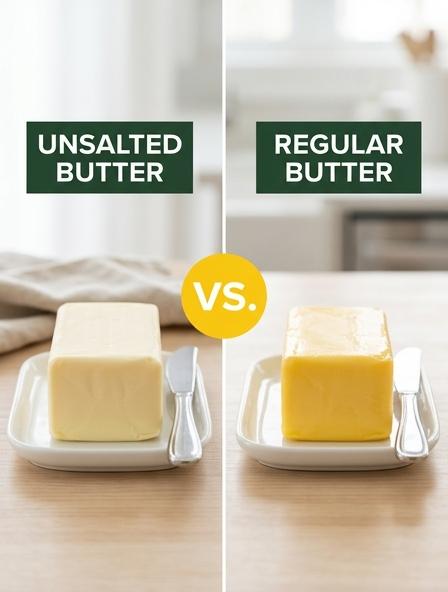
The primary difference between unsalted and regular butter lies in their sodium concentration. Regular salted butter typically contains approximately 90mg of sodium per tablespoon, whereas unsalted versions contain negligible amounts. For those managing cardiovascular health, this distinction is vital. High sodium intake is directly linked to hypertension and increased arterial pressure, which can strain the heart over time.
By choosing unsalted butter, you gain total control over the seasoning in your recipes, preventing hidden salt from accumulating in your daily diet. Key benefits include:
- Better management of blood pressure levels.
- Reduction in sodium-induced water retention.
- Enhanced natural creaminess without mineral interference.
You can enjoy the rich taste of a sautéed salmon fillet by using unsalted butter and fresh herbs, giving you full control over your heart-healthy seasoning profile.
Flavor Control and Seasoning Precision in Baking
In the realm of professional baking, the choice between unsalted and regular butter directly impacts the structural and flavor integrity of a recipe. The primary benefit of unsalted butter is total control. Because salt concentrations fluctuate significantly between different dairy brands, using salted butter introduces an unpredictable variable that can disrupt the delicate chemical balance of doughs and batters.
- Consistent Salinity: Allows bakers to add the exact measurement of sea salt or kosher salt required by the formula.
- Yeast Management: Prevents excess salt from inhibiting yeast fermentation and stunting the rise in breads.
- Ingredient Freshness: Unsalted butter is often fresher because it lacks the preservative properties of sodium, which allows salted versions to stay on shelves longer.
When you are whisking a silky Swiss meringue buttercream, using unsalted butter ensures that the subtle notes of Madagascar vanilla remain the star of the show without an overbearing salty aftertaste.
Moisture Content and Its Effect on Pastry Flakiness
The distinction between unsalted and regular butter significantly impacts the structural integrity of baked goods. Unsalted butter often maintains a higher butterfat percentage and lower moisture content compared to some salted varieties. In pastry making, this ratio is critical; as the butter melts in the oven, its water content converts to steam, which forces the dough layers apart to create characteristic flakiness.
- Steam Production: Precise water levels ensure layers rise without becoming soggy.
- Gluten Regulation: Excess moisture in salted butter can over-activate gluten, leading to a tough texture.
- Consistency: Unsalted butter provides a standardized fat-to-water ratio for professional results.
You will appreciate the superior lift of unsalted butter when laminating dough for homemade croissants, ensuring each golden layer shatters perfectly upon the first bite.
Preservation Methods and Shelf Life Longevity
The primary difference in shelf life between unsalted and regular butter is the preservative role of sodium. Salt acts as a natural antimicrobial agent by reducing water activity, which inhibits the growth of bacteria and mold. Because unsalted butter lacks this protective additive, it is more perishable and prone to absorbing surrounding food odors in the refrigerator.
- Salted Butter: Generally stays fresh in the refrigerator for 3 to 5 months.
- Unsalted Butter: Typically maintains peak quality for only 1 to 2 months.
While both varieties can be frozen for up to a year to extend their usability, temperature consistency is vital for maintaining fat structure. You might prefer keeping salted butter as your reliable kitchen staple for long-term storage, while buying fresh unsalted blocks only when you are ready to bake a delicate batch of shortbread cookies.
Thermal Stability and Performance in Sautéing
Understanding the thermal limits of butter is essential for achieving a perfect golden finish without bitterness. Both varieties have a relatively low smoke point-approximately 302°F (150°C)-but unsalted butter offers superior stability during high-heat applications. Salt can act as a catalyst, causing milk solids to brown and eventually burn more rapidly than they would in a pure fat environment.
- Heat Resistance: Salted butter tends to foam and sputter more due to higher moisture retention.
- Flavor Control: As water evaporates during sautéing, the salt concentration increases, potentially over-seasoning the dish.
- Visual Clarity: Unsalted butter allows for a clearer view of the browning process, often referred to as beurre noisette.
You might prefer reaching for the unsalted stick when searing delicate sea scallops to ensure the natural sweetness isn't overshadowed by burnt salt particles.
Structural Integrity of Doughs and Batters
The choice between unsalted and regular butter directly influences the gluten network within your baked goods. Salt acts as a chemical strengthening agent for flour proteins; consequently, using salted butter can inadvertently toughen the texture of delicate pastries or cakes. By opting for unsalted butter, bakers maintain absolute control over the dough's elasticity and the overall crumb structure.
- Gluten Regulation: Precise salt levels prevent protein strands from becoming overly tight or brittle.
- Consistency: Since salt content varies by brand in regular butter, unsalted versions provide a reliable baseline for structural stability.
- Moisture Retention: Controlled salinity ensures starch granules hydrate properly, preventing a crumbly or dry finish.
Professional pastry chefs prioritize unsalted butter when laminating puff pastry to ensure the thin layers remain incredibly flaky and light rather than dense and chewy.
Impact on the Natural Flavor Profiles of Main Courses
The choice between unsalted and regular butter dictates how the primary ingredients of a main course interact with the palate. While regular butter offers convenience, its salt content can vary significantly by brand, potentially masking the subtle nuances of your proteins and vegetables.
- Flavor Control: Unsalted butter provides a neutral, creamy base that allows the authentic profile of fresh herbs and premium meats to shine.
- Seasoning Precision: Using unsalted fat ensures that the chef maintains total control over sodium levels, preventing reduction sauces from becoming overly salty.
By opting for the unsalted variety, you avoid the risk of "salt-layering" which can distort the delicate equilibrium of a complex dish.
Imagine pan-searing a fresh Atlantic salmon fillet; using unsalted butter ensures the fish's natural sweetness and rich omega-3 oils take center stage rather than being overshadowed by the unpredictable salinity of a standard salted block.
Dairy Freshness Standards and Ingredient Purity
The choice between unsalted and regular butter often comes down to ingredient integrity. Unsalted butter is considered the gold standard for purity, containing only churned cream without the addition of sodium. Because salt acts as a natural preservative, regular butter has a longer shelf life, which can sometimes mask the age of the dairy. In contrast, unsalted butter must be sold at peak freshness because any flavor degradation is immediately noticeable without salt to hide it.
- Unsalted Butter: Higher freshness requirement, zero added sodium, provides total flavor control.
- Regular Butter: Contains approximately 1/4 teaspoon of salt per stick, enhancing savory notes and extending storage time.
Professional bakers often prioritize unsalted varieties to ensure that the subtle, sweet nuances of high-quality cream shine through in delicate recipes. You might choose unsalted butter when preparing a complex Hollandaise sauce or a light buttercream frosting, where managing the exact salt concentration is vital to achieving a professional flavor profile.
Emulsification Properties for Smooth Sauce Production
Achieving a silky, stable emulsion requires precise control over fat and moisture. While both types of butter contain approximately 80% milkfat, unsalted butter is the preferred choice for technical saucier work. Salt is a hygroscopic mineral that can disrupt the delicate protein structures required to suspend fat droplets in a liquid base, leading to a grainy texture.
- Structural Integrity: Unsalted butter reduces the risk of the sauce "breaking" or separating under heat.
- Flavor Purity: Without added sodium, the natural creaminess of the fat enhances the reduction without masking subtle aromatics.
- Moisture Balance: Provides a more predictable ratio of water to solids for consistent thickening.
By using unsalted butter, you gain total authority over the chemical bonding and seasoning of your culinary creations. You might find yourself whisking chilled unsalted cubes into a delicate white wine reduction to craft a glossy, restaurant-quality Beurre Blanc that stays perfectly emulsified until it hits the table.
Dietary Sodium Levels in Routine Family Cooking
Managing daily sodium intake is essential for maintaining cardiovascular health, and the choice between unsalted and regular butter plays a pivotal role. While unsalted butter contains negligible sodium, regular salted butter typically contributes approximately 90mg to 100mg of sodium per tablespoon.
- Unsalted Butter: Offers total seasoning control, making it the standard for precise baking and low-sodium diets.
- Regular (Salted) Butter: Provides a longer shelf life and built-in flavor, but can lead to "hidden" salt accumulation in complex recipes.
For families monitoring blood pressure, opting for unsalted varieties prevents accidental sodium spikes in home-cooked meals. This allows the cook to determine the exact amount of salt added, ensuring that flavor enhancement does not compromise nutritional goals. By substituting unsalted butter in everyday cooking, you can significantly reduce the cumulative salt load of stews, vegetables, and sauces.
You might prefer using unsalted butter when sautéing fresh garden vegetables to ensure the natural sweetness of the produce isn't overshadowed by the heavy brine of commercial salted fats.
Unsalted Butter vs Regular Butter source and external links
- Unsalted butter consists of pure churned cream without any added sodium, allowing for precise flavor control in professional baking. Unsalted Butter
- Regular butter contains added salt that acts as a natural preservative and enhances the savory taste of the fat for everyday cooking. Regular Butter