
Tarragon Mustard vs Yellow Mustard : Are They The Same? Taste Profiles, Cooking Performance, and Nutrition
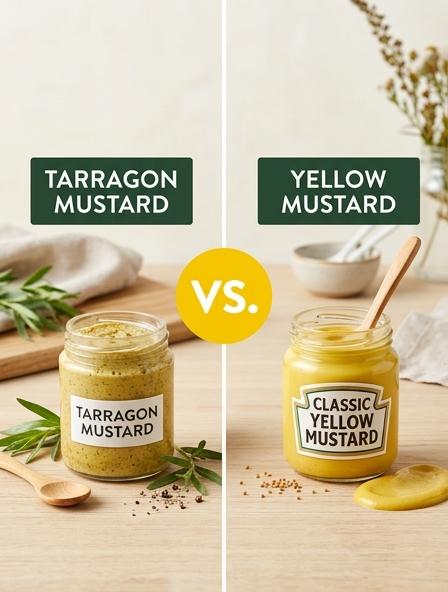
Flavor Profile Differences Between Tarragon Mustard and Yellow Mustard
The primary distinction between tarragon mustard and yellow mustard lies in their complexity and aromatic depth. Yellow mustard is defined by its sharp, tangy acidity and straightforward pungency, largely driven by a high vinegar content and mild yellow mustard seeds. It provides a bright, one-dimensional zest that is synonymous with classic American deli flavors.
Tarragon mustard, conversely, offers a more sophisticated, gourmet profile. Often using a Dijon or white wine vinegar base, it is infused with the herb tarragon, which introduces bittersweet notes of anise and licorice. This creates a balanced, herbal heat that is far more nuanced than the vinegar-forward punch of yellow varieties.
- Yellow Mustard: High acidity, vinegar-heavy, sharp, and salty.
- Tarragon Mustard: Earthy, aromatic, subtle anise undertones, and smooth finish.
You will likely reach for the tarragon mustard when whisking together a refined vinaigrette for a spring salad, whereas yellow mustard remains the unbeatable choice for a traditional ballpark frankfurter.
Nutritional Comparison of Herb-Infused and Traditional Condiments
When comparing tarragon mustard to traditional yellow mustard, the nutritional profiles remain remarkably lean, though their functional ingredients differ. Traditional yellow mustard is a staple known for its simplicity, typically blending mustard seeds, vinegar, and turmeric-the latter providing a small dose of anti-inflammatory curcumin. In contrast, tarragon mustard often utilizes a Dijon base infused with Artemisia dracunculus, offering unique polyphenols and a more complex herbal profile.
- Caloric Content: Both varieties are exceptionally low-calorie, usually averaging 5–10 calories per serving.
- Sodium Levels: Traditional yellow mustard often contains slightly less sodium than gourmet herb-infused blends.
- Sugar: Both are generally sugar-free, making them ideal for ketogenic or diabetic-friendly diets.
While both condiments provide a punch of flavor without significant fat, the choice usually depends on the meal's profile; home cooks often reach for tarragon mustard to elevate a sophisticated salmon glaze, whereas classic yellow mustard remains the unbeatable partner for a backyard grilled hot dog.
Cooking Performance and Heat Stability of Different Mustard Bases
Understanding the heat stability of tarragon mustard versus yellow mustard is essential for culinary success. Yellow mustard relies on a distilled vinegar and water base, making it highly stable for surface applications like grilling. However, its high acidity can break down delicate emulsions if boiled excessively.
- Yellow Mustard: Maintains color and tanginess during high-heat searing or baking.
- Tarragon Mustard: Often featuring a Dijon or white wine base, it excels in pan sauces and reductions where it emulsifies smoothly.
While yellow mustard provides a consistent sharp punch, tarragon mustard's herbal notes are more volatile. Adding tarragon-infused varieties toward the end of the cooking process preserves the delicate anise-like profile that can dissipate under prolonged heat. In contrast, the turmeric in yellow mustard ensures its vibrant hue remains intact throughout the cooking cycle.
You might prefer whisking tarragon mustard into a simmering cream sauce for a sophisticated salmon dish, while yellow mustard remains your go-to for a robust, heat-resistant binder on smoked brisket.
Influence on Dish Color and Visual Plate Presentation
The visual impact of mustard depends heavily on its base ingredients and color saturation. Yellow mustard is iconic for its bright, neon-like hue, derived from a high concentration of turmeric. This creates a bold, high-contrast focal point on a plate. Tarragon mustard, conversely, presents a more muted, sophisticated aesthetic, often featuring a pale straw color accented by visible flecks of green herbs.
- Yellow Mustard: Provides a vibrant, monochromatic pop ideal for casual dining.
- Tarragon Mustard: Offers an earthy, textured appearance that suggests a gourmet, handcrafted quality.
While yellow mustard dominates the visual field, tarragon mustard blends harmoniously into cream sauces and vinaigrettes without overpowering other ingredients. You might choose the striking brilliance of yellow mustard to classicize a backyard burger, but you will likely prefer the refined, herb-dusted look of tarragon mustard when plating a delicate lemon-butter salmon fillet.
Sodium and Sugar Levels in Gourmet and Commercial Varieties
When comparing tarragon mustard to classic yellow varieties, the nutritional profiles differ significantly based on production methods. Commercial yellow mustard is a pantry staple known for its high sodium content, which acts as both a preservative and a flavor enhancer. Conversely, gourmet tarragon mustard often features a more balanced profile, emphasizing herbal complexity over saltiness.
- Yellow Mustard: High sodium (often exceeding 60mg per tsp) and typically zero sugar.
- Tarragon Mustard: Generally lower in sodium, though some gourmet recipes include small amounts of sugar or honey to complement the herb's anise-like notes.
While mass-produced options prioritize a sharp, salty punch for shelf stability, artisanal tarragon blends utilize white wine vinegar to achieve flavor depth without excessive additives. You might reach for the iconic, salty zing of yellow mustard for a quick backyard burger, but you will likely prefer the sophisticated, lower-sodium profile of tarragon mustard when preparing a delicate glaze for roasted salmon.
Aroma Intensity and the Impact on Food Preparation
Aroma intensity significantly dictates how these condiments interact with ingredients during cooking. Yellow mustard provides a sharp, vinegar-forward scent that is immediate and bold, primarily used to cut through heavy, fatty foods. Conversely, Tarragon mustard introduces a delicate, herbaceous fragrance with sweet anise undertones, adding complexity without overpowering subtle flavors.
The choice between them often depends on the desired culinary impact:
- Yellow Mustard: High pungency, ideal for masking gamey notes or balancing sugar in BBQ rubs.
- Tarragon Mustard: Sophisticated bouquet, perfect for cold emulsions and creamy white wine sauces.
Home cooks often reach for Tarragon mustard when whisking a refined vinaigrette for a delicate pear and goat cheese salad, while sports fans crave the nostalgic, pungent punch of yellow mustard on a steaming ballpark frankfurter.
Chemical Integrity and Ingredient Sources in Mustard Blends
The chemical profile of mustard is defined by the interaction between mustard seeds and their hydrating agents. Yellow mustard utilizes Sinapis alba (white seeds), which contain sinalbin, a compound providing a mild, heat-stable pungency. Its bright hue is derived from curcumin found in turmeric, while distilled vinegar ensures high acidity and shelf stability.
In contrast, tarragon mustard often incorporates Brassica juncea (brown seeds). These seeds possess higher concentrations of the enzyme myrosinase, which releases allyl isothiocyanate for a sharper bite. The inclusion of white wine vinegar and tarragon leaves introduces estragole, a volatile phenylpropene that gives the blend its signature anise-like aroma.
- Yellow Mustard: Focuses on pH stability and simple coloring agents.
- Tarragon Mustard: Prioritizes essential oil retention and complex enzyme reactions.
You might choose the herbal complexity of tarragon mustard to elevate a delicate Béarnaise sauce, while the straightforward acidity of yellow mustard remains the unmatched standard for a classic stadium hot dog.
Texture Variations Between Smooth and Herb-Flecked Bases
The textural experience of yellow mustard versus tarragon mustard depends largely on the milling process and the addition of botanical elements. Yellow mustard is celebrated for its ultra-smooth, creamy, and completely homogeneous consistency, achieved through finely ground seeds and heavy liquid emulsification. Conversely, tarragon mustard typically utilizes a sophisticated Dijon base that serves as a canvas for dried or fresh herb fragments.
- Yellow Mustard: Silky, fluid, and uniform without any visible particulates.
- Tarragon Mustard: Herb-flecked and slightly rustic, offering a multifaceted mouthfeel.
The presence of these green tarragon specks provides a visual and tactile contrast that distinguishes it from the simple yellow paste found at ballparks. Imagine whisking the herb-flecked tarragon variety into a white wine reduction to add both visual depth and a concentrated burst of anise-like flavor to a pan-seared chicken breast.
Shelf Life and Flavor Retention in Pantry Storage
Both tarragon and yellow mustards benefit from high acidity, which acts as a natural preservative. However, their flavor stability varies based on their specific ingredients.
| Mustard Type | Pantry Shelf Life | Flavor Persistence |
|---|---|---|
| Yellow Mustard | 12–24 Months | High (Turmeric based) |
| Tarragon Mustard | 6–12 Months | Moderate (Herb based) |
Yellow mustard maintains its pungent kick for years because its primary spices, like turmeric, are highly stable. Conversely, tarragon mustard relies on volatile essential oils for its signature anise-like aroma. Over time, these delicate herbal notes dissipate, even if the mustard remains safe to consume. To ensure the best culinary experience, tarragon varieties should be rotated more frequently than standard yellow bottles.
Home cooks often prefer the steadfast reliability of yellow mustard for bulk picnic stockpiles, while reserving fresh tarragon mustard for immediate use in elegant spring vinaigrettes.
Economic Comparison of Specialty and Basic Spreads
The price discrepancy between tarragon mustard and classic yellow mustard reflects their different positions in the marketplace. Yellow mustard is a high-volume commodity, engineered for affordability and accessibility. Its production relies on inexpensive, stable ingredients like distilled vinegar and basic mustard seeds, making it a staple for budget-conscious households.
- Yellow Mustard: Low cost per ounce, long shelf life, and available in bulk.
- Tarragon Mustard: Premium pricing due to artisanal batches and specialty herb infusions.
Tarragon mustard carries a higher price point because it often incorporates gourmet bases, such as white wine or cider vinegar, alongside delicate herbs that require specific processing to maintain potency. While yellow mustard offers utility and mass appeal, tarragon mustard represents a culinary investment for niche flavor profiles. You might reach for the economical yellow squeeze bottle for a crowded family picnic, but prefer the refined, herbal notes of tarragon mustard when whisking together a sophisticated vinaigrette for a holiday dinner.
Tarragon Mustard vs Yellow Mustard source and external links
- Tarragon mustard is a sophisticated condiment that blends the sharp tang of mustard seeds with the distinct, anise-like notes of fresh herbs, making it a perfect pairing for poultry and vinaigrettes; learn more about the unique profile of Tarragon Mustard.
- Yellow mustard is a mild, vibrant American staple primarily made from finely ground yellow mustard seeds and turmeric, frequently used to enhance the flavor of hot dogs and sandwiches; explore the history and uses of Yellow Mustard.