
Tarragon Mustard vs Dijon : The Differences in Flavor Profiles, Culinary Performance, and Nutritional Impact
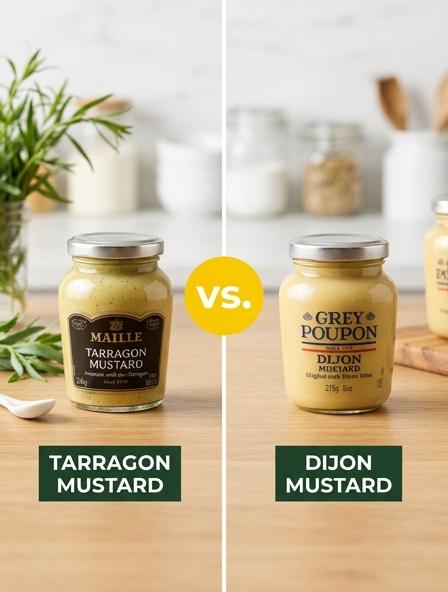
Flavor Profiles of Tarragon Mustard and Dijon
Dijon mustard is defined by its sophisticated, pungent heat and smooth texture. Crafted from brown or black mustard seeds and white wine or verjuice, it offers a clean, sharp acidity. Tarragon mustard typically builds upon this potent base by infusing it with the aromatic properties of fresh tarragon herbs.
| Mustard Type | Key Flavor Characteristics |
|---|---|
| Dijon | Sharp, tangy, and intensely spicy. |
| Tarragon | Herbaceous, floral, with subtle anise notes. |
The primary difference lies in the finish: where Dijon remains strictly savory and biting, Tarragon mustard adds a sweet, licorice-like complexity that softens the mustard's edge. Home cooks often prefer whisking tarragon mustard into a white wine reduction to create a classic French pan sauce for roasted chicken or flaky white fish.
Nutritional Differences and Health Impact for Home Cooking
Both tarragon and Dijon mustards are excellent low-calorie, fat-free condiments for health-conscious cooks. While they share a base of brown mustard seeds and white wine, their nutritional profiles differ slightly due to herbal infusions. Dijon is prized for its sharp heat, whereas tarragon mustard introduces the antioxidant properties of the Artemisia dracunculus herb, which may aid digestion and reduce inflammation.
- Sodium: Both types can be high in salt; always check labels for heart-healthy sodium levels.
- Sugar Content: Tarragon varieties occasionally include small amounts of sugar to balance the anise-like herbal notes.
- Micronutrients: Tarragon adds trace amounts of Vitamin A, C, and potassium to your meal.
You can use tarragon mustard in a light vinaigrette for a spring salad to enjoy a sophisticated, licorice-like flavor profile that elevates simple greens without adding heavy fats.
Performance in Sauce Emulsification and Texture
When comparing Dijon and tarragon mustard, their performance in emulsification is remarkably similar because most tarragon varieties use a Dijon base. The secret lies in the mustard seed's natural mucilage, which acts as a powerful surfactant to bind oil and vinegar into a stable, creamy suspension.
| Feature | Dijon Mustard | Tarragon Mustard |
|---|---|---|
| Consistency | Uniform and silky | Smooth with herb particulates |
| Emulsion Strength | Excellent stabilizer | Excellent stabilizer |
| Visual Impact | Clean, professional finish | Rustic, botanical flecks |
Dijon provides a flawless, mirror-like finish for delicate dressings, whereas tarragon mustard introduces a subtle textural complexity. You might choose tarragon mustard when whisking a creamy pan sauce for roasted chicken to provide both a structural bind and a sophisticated visual hint of the herbs within.
Heat Intensity and Palate Sensations in Daily Dishes
Understanding the sensory differences between tarragon mustard and classic Dijon is essential for balancing a dish. Dijon is defined by its sharp, nasal-clearing pungency and high acidity, delivered through brown or black mustard seeds. In contrast, tarragon mustard typically utilizes a Dijon base but tempers the heat with the cooling, licorice-like essence of the herb. This results in a more complex, aromatic palate sensation where the spice is a secondary note to the herbal fragrance.
- Dijon Mustard: Intense, immediate heat with a crisp, vinegary finish that cuts through rich fats.
- Tarragon Mustard: Mellowed spice profile with sweet, anise-forward undertones that linger softly.
You might choose the herbal sophistication of tarragon mustard when whisking a delicate vinaigrette for a summer pear salad, whereas the raw, fiery punch of a traditional Dijon is your best bet for a bold glaze on a roasted ham.
Aromatic Properties of Herb and Classic Varieties
The primary distinction between Tarragon and Dijon mustard lies in their volatile aromatic compounds. Classic Dijon is celebrated for its sharp, sinus-clearing pungency, achieved through the use of potent brown mustard seeds and acidic verjuice. Its scent is clean, spicy, and strictly functional. Tarragon mustard, however, layers this bold base with the botanical essence of Artemisia dracunculus. This addition introduces sweet, anise-like notes and a grassy undertone that softens the initial mustard bite.
- Dijon: Characterized by a sharp, acidic, and purely spicy fragrance.
- Tarragon: Features a complex, herbal, and licorice-scented olfactory profile.
While Dijon provides a reliable, sharp kick, the aromatic oils in tarragon create a more multi-dimensional flavor profile. Many food enthusiasts love whisking a generous dollop of tarragon mustard into a warm cream sauce to elevate a simple pan-seared chicken breast with its refreshing, licorice-infused fragrance.
Sodium Levels and Dietary Considerations for Families
When evaluating Tarragon mustard vs Dijon for family meal planning, sodium content is a critical factor. Traditional Dijon mustard is known for its sharp, salty bite, often containing around 120mg of sodium per teaspoon due to its classic preservation methods. While Tarragon mustard typically shares a Dijon base, the inclusion of dried or fresh herbs can enhance the flavor profile, potentially allowing home cooks to use less product to achieve a savory depth.
- Dijon Mustard: High in sodium; provides a pungent, vinegar-forward kick.
- Tarragon Mustard: Herb-infused; offers an aromatic profile that complements lean proteins.
- Family Health: Comparing labels is essential to avoid hidden thickeners or excess salt in mass-market brands.
Home cooks frequently prefer whisking a dollop of Tarragon mustard into a white wine pan sauce to give roasted chicken a sophisticated, restaurant-style finish that children find approachable and flavorful.
Vinaigrette Stability and Consistency in Dressings
Achieving a long-lasting emulsion depends heavily on the natural mucilage found in the mustard seed. Dijon mustard is the culinary benchmark for vinaigrette stability, acting as a powerful surfactant that binds oil and vinegar into a cohesive sauce. While Tarragon mustard typically shares this Dijon base, the addition of herbal particulates can slightly alter the structural viscosity and mouthfeel of the finished dressing.
| Mustard Type | Emulsification Strength | Visual Consistency |
|---|---|---|
| Classic Dijon | High (Excellent binder) | Smooth and Velvety |
| Tarragon Mustard | Moderate-High | Herb-flecked and Infused |
Home chefs often prefer whisking tarragon mustard into a champagne vinaigrette to create a stable, sophisticated dressing that perfectly coats the leaves of a fresh spring radish salad.
Influence on Meat Marinades and Flavor Absorption
Both Tarragon and Dijon mustards function as exceptional emulsifiers in marinades, allowing oils and acidic components to bind effectively for an even coating. Their high acidity-derived from white wine or verjuice-works to break down tough muscle fibers, significantly enhancing the meat's tenderness and moisture retention.
- Dijon Mustard: Delivers a sharp, pungent heat that acts as a neutral yet bold base, allowing primary spices like garlic or cumin to shine.
- Tarragon Mustard: Introduces a sophisticated aromatic profile, infusing proteins with subtle notes of anise and licorice that penetrate the surface during the marinating process.
While Dijon is the standard for robust red meats, the herbaceous qualities of Tarragon mustard are particularly effective at elevating lighter proteins. You might choose a thick smear of Tarragon mustard for a slow-roasted chicken breast when you want to achieve that classic French bistro flavor profile that pairs perfectly with a crisp white wine.
Acidity Balance and Culinary Performance
Comparing Tarragon mustard to Dijon reveals distinct profiles in acidity and kitchen utility. Dijon is the gold standard for sharp, clean acidity, typically utilizing verjuice or white wine to create a punchy profile that cuts through fats. Tarragon mustard, while often starting with a Dijon base, introduces a botanical layer that mellows the vinegar sting with aromatic, anise-like notes.
- Dijon Mustard: High emulsification power, making it ideal for stable vinaigrettes and bold meat glazes.
- Tarragon Mustard: Sophisticated flavor complexity, best suited for light poultry dishes and cream-based reductions.
While Dijon provides a structural backbone to heavy sauces, Tarragon mustard acts as a fragrant bridge that elevates the dish's overall scent and delicacy. You might prefer the aggressive heat of Dijon for a traditional ham sandwich, but reach for Tarragon mustard when whisking together a refined sauce for poached fish to provide an elegant, herbaceous finish.
Production Standards and Ingredient Quality Variations
The distinction between these condiments is rooted in historical production standards and ingredient purity. Dijon mustard is traditionally crafted using brown or black mustard seeds and verjuice-the tart juice of unripe grapes-giving it a signature sharp profile. In contrast, Tarragon mustard focuses on the infusion of the Artemisia dracunculus herb into a mustard base.
- Dijon: Regulated by specific culinary traditions to ensure a smooth, pungent, and emulsified finish.
- Tarragon Mustard: Relies on high-quality essential oils or fresh sprigs to achieve its distinct, licorice-like aromatic profile.
While Dijon offers a consistent heat, the quality of Tarragon mustard varies based on whether natural extracts or dried herbs are utilized. You might reach for Tarragon mustard when you want to elevate a creamy chicken sauce with subtle herbal notes, whereas classic Dijon remains your go-to for adding a bold, spicy bite to a traditional vinaigrette.
Tarragon Mustard vs Dijon source and external links
- Tarragon mustard is a fragrant condiment that blends the sharp heat of mustard seeds with the distinct, anise-like notes of fresh herbs. Tarragon mustard
- Dijon mustard is a classic French staple known for its smooth texture and pungent flavor, traditionally crafted using brown mustard seeds and white wine or verjuice. Dijon mustard