
Tapioca Flour vs Almond Flour: Comparing Nutritional, Structural, and Culinary Differences
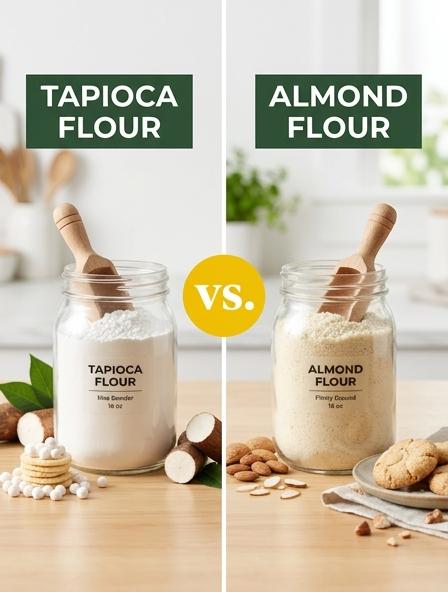
Nutritional Profiles for Daily Family Meals
Understanding the nutritional divergence between tapioca flour and almond flour is essential for balanced home cooking. Almond flour is a nutrient-dense powerhouse, packed with healthy monounsaturated fats, plant-based protein, and Vitamin E. Its low glycemic index makes it a favorite for families managing blood sugar levels. Conversely, tapioca flour is primarily a clean carbohydrate source derived from cassava root. While it lacks the fiber and protein found in nut-based alternatives, it is naturally grain-free, nut-free, and easy on the digestive system.
- Almond Flour: High in magnesium and antioxidants; best for heart-healthy, low-carb diets.
- Tapioca Flour: Low in fat and sodium; serves as a quick energy source and superior allergen-friendly binder.
Busy parents often reach for tapioca flour to create a silky, lump-free gravy for Sunday roasts, while opting for almond flour to bake protein-rich muffins that keep children energized throughout the school day.
Structural Integrity in Baked Goods
In gluten-free baking, the choice between tapioca and almond flour dictates the final stability of the product. Tapioca flour is a pure starch that acts as a powerful binder, providing the "stretch" and elasticity typically associated with gluten. Without it, many bakes would lack a cohesive crumb. Almond flour, made from ground nuts, provides bulk, moisture, and density but lacks the binding power to hold delicate structures together on its own.
- Tapioca Flour: Adds chewiness and creates a golden, crispy exterior.
- Almond Flour: Offers a soft, tender crumb but can be prone to crumbling.
Successful recipes often combine both: almond flour provides the nutritional foundation, while tapioca serves as the architectural glue. You might find that adding a small amount of tapioca to your almond flour muffin recipe prevents them from falling apart when you peel away the paper liner.
Thickening Efficiency for Sauces
When comparing thickening capabilities, tapioca flour and almond flour function in entirely different ways. Tapioca flour is a highly efficient thickener because it is almost entirely starch. When whisked into liquids, it gelatinizes at relatively low temperatures, creating a smooth, glossy, and transparent finish. This makes it ideal for gravies, soups, and fruit fillings where a clear consistency is desired.
In contrast, almond flour is made from ground nuts and contains very little starch. It does not dissolve or gelatinize, meaning it cannot provide the same binding power or viscosity as grain-based or tuber-based starches. Instead, it adds a nutty flavor and a slightly grainy texture to the base liquid.
- Tapioca Flour: High starch content, excellent binding, neutral flavor.
- Almond Flour: High protein and fat, poor binding, distinct nutty profile.
You will reach for a tapioca slurry when you want to achieve a silky, restaurant-quality sheen on a savory stir-fry sauce.
Impact on Blood Glucose Levels
The primary difference between tapioca and almond flour lies in their glycemic response. Tapioca flour is a refined starch with a high Glycemic Index (GI) of approximately 85. Consisting almost entirely of fast-digesting carbohydrates, it can cause rapid insulin spikes. Conversely, almond flour possesses a very low GI (estimated under 15) because it is rich in healthy fats, protein, and fiber, which significantly slow the absorption of glucose into the bloodstream.
- Tapioca Flour: High glycemic load; may lead to quick energy bursts followed by crashes.
- Almond Flour: Low glycemic load; promotes stable blood sugar and prolonged satiety.
A home baker managing type 2 diabetes might choose almond flour for their Sunday muffins to enjoy a delicious treat without the worry of a dangerous post-meal glucose spike.
Performance During High Heat Frying
When frying at high temperatures, the structural differences between these two flours become apparent. Tapioca flour is a pure starch, making it highly stable under heat. It creates a crisp, golden-brown crust that acts as a moisture barrier, perfect for deep-frying. Almond flour, however, contains high levels of protein and natural oils. These components undergo the Maillard reaction much faster, meaning almond flour can brown or burn quickly if the oil temperature is not strictly monitored.
| Feature | Tapioca Flour | Almond Flour |
|---|---|---|
| Heat Tolerance | High (Stable) | Moderate (Sensitive) |
| Texture Result | Light & Crunchy | Dense & Nutty |
You will appreciate the superior crunch of tapioca flour when preparing a batch of crispy Korean-style fried chicken that stays firm even after being tossed in a heavy sauce.
Flavor Profiles in Savory Recipes
When comparing tapioca flour and almond flour in savory applications, the most significant difference is their impact on the dish's final taste. Tapioca flour is celebrated for its neutral flavor profile, acting as a "blank canvas" that allows the primary ingredients and spices to stand out. It adds a subtle sweetness but generally disappears into the background.
In contrast, almond flour brings a distinct, nutty essence and a rich, buttery depth to recipes. This can complement earthy flavors but may overpower more delicate ingredients. Their unique profiles can be summarized as follows:
- Tapioca Flour: Clean, flavorless, and provides a smooth, glossy finish.
- Almond Flour: Nutty, toasted, and adds a hearty, grainy texture.
You might prefer using tapioca flour for a crisp, flavor-neutral coating on fried chicken, while many people love the rich, earthy crunch that almond flour provides when used as a breading for baked zucchini fries.
Binding Strength for Meat Substitutes
When developing plant-based meat alternatives, the structural integrity of the final product depends heavily on the binding agent used. Tapioca flour is a starch-heavy binder that gelatinizes when heated, creating a powerful, elastic web that mimics the connective tissue in animal proteins. In contrast, almond flour is comprised of ground nuts; it provides bulk, moisture, and healthy fats but lacks the adhesive properties necessary to prevent crumbling.
- Tapioca Flour: High binding strength; provides a chewy, "meat-like" elasticity and smooth finish.
- Almond Flour: Low binding strength; adds density and protein but requires secondary binders like eggs or flax.
While almond flour excels in gluten-free baking for its flavor, it often fails to hold together in high-moisture meat analogues without help. You will find that tapioca flour is the superior choice when crafting a firm vegan sausage or seitan roast that needs to maintain its shape and "snap" when sliced or grilled.
Moisture Content and Crumb Texture
Tapioca and almond flour interact with liquids in distinct ways, fundamentally altering the crumb structure of your baked goods. Tapioca flour is a refined starch that absorbs moisture to create a gel-like consistency, providing necessary elasticity and a characteristic "chew" often missing in gluten-free recipes. In contrast, almond flour is high in natural fats and oils, which yields a tender, moist, and dense crumb but lacks the structural binding power of starch.
- Tapioca Flour: Acts as a binder, resulting in a springy, light, and sometimes crispy texture.
- Almond Flour: Provides richness and a soft mouthfeel, though it can become crumbly if used alone.
You might prefer blending both to achieve a gluten-free loaf of bread that boasts a soft, moist center without sacrificing a satisfyingly chewy crust.
Surface Browning and Crust Development
The chemical composition of tapioca and almond flour leads to distinct aesthetic and textural results under heat. Tapioca flour, being a pure starch, is excellent for creating a smooth, crisp, and golden-brown exterior. It promotes caramelization, which provides that sought-after "snap" in baked goods. In contrast, almond flour is rich in fats and proteins, causing it to brown much faster due to the Maillard reaction, though it typically results in a softer, more fragile crust.
- Tapioca Flour: Delivers a glossy, crunchy, and elastic crust, ideal for breads.
- Almond Flour: Produces a deep, nutty color with a tender, crumbly finish.
While almond flour adds rich color quickly, it lacks the structural integrity to hold a hard peak, often requiring a binder if a firm crust is desired.
You will love using a heavy dusting of tapioca flour when you are aiming for that perfect, golden-shattered crunch on a homemade gluten-free baguette.
Long Term Pantry Stability
When comparing long-term storage, the chemical composition of these flours dictates their lifespan. Tapioca flour is a processed starch with negligible fat content, making it highly resistant to oxidation and spoilage. In contrast, almond flour consists of ground nuts rich in natural oils, which can turn rancid when exposed to heat or light.
| Feature | Tapioca Flour | Almond Flour |
|---|---|---|
| Average Shelf Life | 12–24 Months | 6–12 Months |
| Primary Threat | Moisture/Humidity | Heat/Oxidation |
For maximum longevity, tapioca thrives in any cool, dry airtight container, whereas almond flour requires more care to prevent off-flavors. You might prefer stocking up on bulk tapioca flour for your permanent pantry staples while keeping smaller bags of almond flour in the freezer to ensure your keto-friendly recipes always taste fresh.
Tapioca Flour vs Almond Flour source and external links
- Tapioca flour is a gluten-free starch extracted from the cassava root that is frequently used as a thickening agent in cooking, and you can find detailed information about Tapioca Flour online.
- Made from finely ground blanched almonds, Almond Flour is a popular grain-free alternative used extensively in low-carb and gluten-free baking.