
Swiss Brown vs White Button Mushroom: Comparing Flavor Depth, Texture Resilience, and Culinary Value Differences
Flavor Intensity and Umami Depth Comparison
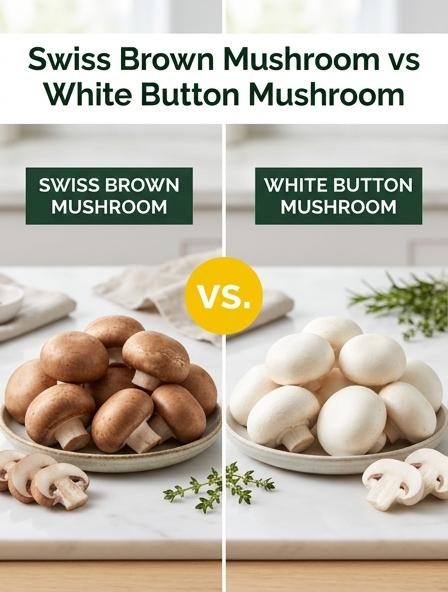
While both varieties belong to the Agaricus bisporus species, their flavor profiles differ significantly due to their respective maturity levels. White Button mushrooms are harvested early, resulting in a mild, delicate, and slightly grassy taste. In contrast, Swiss Brown mushrooms-often marketed as Cremini-are allowed to grow longer, which facilitates moisture evaporation and a concentration of savory compounds.
| Feature | White Button | Swiss Brown |
|---|---|---|
| Flavor Profile | Subtle & Mild | Nutty & Earthy |
| Umami Depth | Light | Rich & Intense |
| Texture | Soft | Firm & Meaty |
This increased maturity gives the Swiss Brown a superior umami punch, making it a favorite for those seeking a more "meaty" vegetarian option. You will find that Swiss Browns hold their shape and flavor beautifully when slow-cooked in a rich red wine reduction or sautéed with garlic to top a thick, juicy burger.
Cooking Performance and Texture Resilience in the Pan
While Swiss Brown (cremini) and White Button mushrooms share the same species, their maturity levels create distinct culinary outcomes. Swiss Brown mushrooms are prized for their lower moisture content and denser cell structure. This density provides superior texture resilience, allowing the mushroom to retain its shape and "meaty" bite even under high heat.
In contrast, White Button mushrooms have a higher water percentage, causing them to shrink significantly and soften quickly during the sautéing process. When choosing between them, consider these performance factors:
- Swiss Brown: High heat resistance, develops a deep golden-brown crust, stays firm in stews.
- White Button: Rapid moisture release, ideal for quick sautés where a delicate, tender texture is desired.
Home cooks often prefer Swiss Browns for a rustic breakfast fry-up, ensuring the mushrooms hold their own against heavy ingredients like sausages and thick-cut sourdough.
Nutritional Profile and Health Benefits for Family Meals
Swiss Brown and White Button mushrooms are nutritional powerhouses for family cooking. While both belong to the Agaricus bisporus species, Swiss Browns are slightly more mature, offering a deeper flavor and firmer texture than the mild White Button. Both varieties provide significant health advantages:
- B-Vitamins: Support energy metabolism and brain health for active children.
- Selenium: A powerful antioxidant that strengthens the immune system.
- Potassium: Essential for heart health and maintaining healthy blood pressure.
- Low Calorie: Naturally fat-free and low in sodium, ideal for balanced diets.
Integrating these mushrooms into your diet provides ergothioneine, a unique antioxidant that protects cells from oxidative stress. Their high umami content makes them excellent meat enhancers, helping to reduce overall fat intake in classic family recipes.
You can finely dice Swiss Browns into a turkey bolognese to sneak in extra nutrients for the kids, or toss sliced White Buttons into a quick morning omelet for a light, fiber-rich start to the day.
Moisture Content and Influence on Sauce Consistency
The primary structural difference between Swiss Brown and White Button mushrooms lies in their water retention. White Button mushrooms are younger and contain a higher percentage of moisture. When sautéed, they release significant liquid, which can inadvertently dilute a sauce if not accounted for during the reduction process.
Swiss Brown mushrooms, being slightly more mature, possess a denser texture and lower water content. This makes them superior for maintaining structural integrity and sauce viscosity. Key differences include:
- White Button: Rapid moisture release; can lead to a thinner sauce consistency.
- Swiss Brown: Minimal shrinkage; preserves the thickness of heavy creams or gravies.
Home cooks often prefer using Swiss Browns when preparing a classic Beef Stroganoff to ensure the cream sauce remains rich and velvety rather than becoming watery during the simmering process.
Aesthetic Differences and Visual Appeal in Prepared Dishes
Choosing between Swiss Brown and White Button mushrooms often depends on the desired visual impact. White buttons offer a pristine, minimalist look that blends into cream sauces or highlights freshness in salads. Swiss Browns, or Cremini, provide a rustic, artisanal charm with their signature cocoa-colored caps.
| Characteristic | White Button | Swiss Brown |
|---|---|---|
| Raw Appearance | Smooth, ivory white | Textured, light brown |
| Cooked Contrast | Subtle and soft | Bold and defined |
Their physical maturity affects how they hold up during high-heat cooking; Swiss Browns generally retain their shape and color better than their white counterparts. You might choose the clean, uniform slices of white buttons for a delicate risotto, while opting for the earthy, robust look of halved Swiss browns to add visual weight to a hearty beef stew.
Aroma Concentration and Earthy Scent Profiles
While both varieties belong to the Agaricus bisporus species, their aromatic profiles diverge significantly based on their stage of maturity. White button mushrooms are harvested early, retaining a high moisture content that results in a mild, slightly grassy, and subtle scent. Because they are less developed, their aromatic compounds are diluted, making them ideal for dishes where a neutral base is required.
In contrast, Swiss Brown mushrooms (also known as Cremini) are allowed to mature longer. This extended growth period reduces water content and concentrates the natural phenols and amino acids. This process creates a more robust, muskier, and nutty fragrance compared to their younger counterparts.
- White Button: Delicate, fresh, and fleeting aroma.
- Swiss Brown: Intense, woodsy, and deeply earthy profile.
You will appreciate the Swiss Brown's pungent, savory scent when searing them for a rich beef stroganoff, while the White Button's clean, light aroma is perfect for a crisp summer salad.
Freshness Longevity and Storage in the Home Kitchen
Swiss Brown mushrooms generally offer superior longevity compared to White Button mushrooms. Due to their lower moisture content and slightly more mature structure, Swiss Browns often remain firm and flavorful for up to seven days in the refrigerator. In contrast, White Button mushrooms are more delicate and prone to oxidation, typically showing signs of bruising or sliminess within three to five days.
To maximize the shelf life of both varieties, proper handling is essential:
- Store mushrooms in a porous paper bag to absorb excess moisture while allowing airflow.
- Keep them in the main body of the refrigerator rather than the high-humidity crisper drawer.
- Avoid washing or trimming the mushrooms until immediately before use to prevent premature decay.
You might prefer stocking up on the resilient Swiss Brown during your weekend shop to ensure they remain plump and earthy for a mid-week gourmet risotto.
Structural Firmness for Braising and Slow Cooked Meals
When selecting mushrooms for long-duration cooking techniques like braising, structural density is the primary differentiator. Swiss Brown mushrooms, also known as Cremini, possess a tighter cellular matrix and lower moisture content than White Button mushrooms. This allows them to maintain their physical integrity under sustained heat and moisture.
- Swiss Brown: High durability; retains a meaty "bite" and does not easily collapse in liquid.
- White Button: Higher water content; prone to significant shrinkage and a softer, spongier texture.
In the humid environment of a slow cooker or heavy Dutch oven, the Swiss Brown's resilience ensures the fungi remain a prominent component of the dish rather than melting into the base. Because they hold their shape, they provide a consistent mouthfeel that complements slow-cooked proteins.
Home cooks prefer tossing whole Swiss Browns into a rich beef stew, knowing they will emerge as succulent, intact morsels even after hours of simmering on the stove.
Savory Profile and Seasoning Requirements in Cooking
While both varieties belong to the Agaricus bisporus species, their culinary applications differ due to maturity and moisture content. Swiss Brown mushrooms, also known as Cremini, offer a deeper, earthier umami profile and a firmer texture that withstands prolonged high-heat cooking. In contrast, White Button mushrooms are milder and have a higher water content, making them delicate flavor absorbers that require gentle seasoning.
- Swiss Brown: Pairs naturally with robust aromatics like rosemary, balsamic vinegar, and garlic.
- White Button: Best suited for subtle enhancements such as lemon zest, butter, and fresh chives.
Because Swiss Browns possess a more concentrated savory punch, they generally require less added salt to achieve a rich, meaty taste compared to their white counterparts. Home cooks often reach for the Swiss Brown when crafting a slow-simmered beef stroganoff to ensure the mushroom's woody notes remain prominent against a heavy cream sauce.
Value for Money and Culinary Versatility in Meal Planning
Choosing between Swiss Brown and White Button mushrooms requires balancing budget constraints with flavor requirements. White buttons are the most cost-effective option, featuring a mild profile ideal for bulk applications like creamy soups or fresh salads. Conversely, Swiss Browns (Cremini) offer superior value in cooked meals due to their firmer texture and lower moisture content, which prevents significant shrinkage during the heating process.
| Feature | White Button | Swiss Brown |
|---|---|---|
| Flavor Profile | Mild & Delicate | Earthy & Robust |
| Ideal Cooking | Quick Sauté, Raw | Roasting, Stewing |
You might save the budget-friendly White Button for a light morning omelet, but reach for the Swiss Brown when you want a rich, meaty texture that stands up perfectly in a hearty, slow-cooked beef stroganoff.
Swiss Brown Mushroom vs White Button Mushroom source and external links
- The Swiss Brown mushroom is highly regarded for its firm texture and robust, earthy flavor that intensifies when cooked.
- The White Button mushroom is the most common edible fungus used globally, featuring a mild taste and smooth cap that suits a wide variety of recipes.