
Sweet Basil vs Basil : Comparing Flavor Profiles, Culinary Uses, and Nutritional Differences
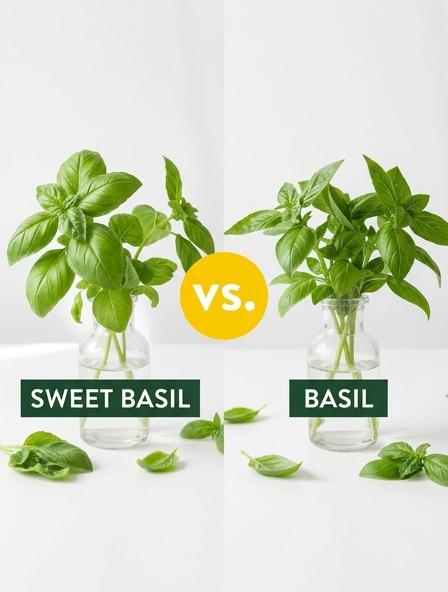
Comparing Flavor Profiles of Two Common Italian Varieties
While the term "basil" is often used generically, Sweet Basil and Genovese Basil are the two most prominent varieties in Italian cuisine. Sweet Basil is known for its balanced, mild profile, featuring subtle notes of clove and mint. In contrast, Genovese Basil-often considered the "true" Italian basil-delivers a more robust, peppery aroma and a more concentrated flavor profile.
- Sweet Basil: Mellow and sweet; ideal for fresh garnishes and salads.
- Genovese Basil: Pungent and spicy; the gold standard for cooked sauces.
You might prefer the punchy intensity of Genovese when blending a traditional, oil-rich pesto, but choose Sweet Basil as the delicate, aromatic finish for a garden-fresh Margherita pizza.
Nutritional Variations in Household Green Herbs
While the term "basil" acts as a broad category for over 60 plant varieties, Sweet Basil is the specific cultivar most frequent in kitchens. Both varieties are nutritional powerhouses, offering high concentrations of Vitamin K, which is vital for bone health and blood clotting. However, Sweet Basil is particularly prized for its unique profile of essential oils and antioxidants.
- Vitamin K: Provides over 15% of the daily recommended intake in just a few grams.
- Antioxidants: Rich in lutein, zeaxanthin, and beta-carotene to support eye health.
- Anti-inflammatory: Contains essential oils like eugenol and linalool.
Despite these similarities, Sweet Basil typically contains higher levels of volatile oils compared to tougher, perennial basil types. You might find yourself reaching for a bunch of fragrant sweet basil to bruise into a refreshing summer pesto, favoring its delicate sweetness over the more medicinal notes of other varieties.
Heat Sensitivity and Texture Retention in Mediterranean Cooking
While "basil" is a broad genus, Sweet Basil is the Mediterranean standard, prized for its delicate leaves and volatile aromatic oils. Unlike hardier herbs, Sweet Basil is highly sensitive to heat; high temperatures quickly trigger oxidation, causing the leaves to turn black and lose their signature peppery-sweet profile. To maximize texture retention and flavor in traditional cooking, chefs categorize its application based on thermal exposure:
- Finishing: Adding whole leaves to a dish after removing it from the flame preserves crispness.
- Infusion: Swirling sprigs into warm sauces briefly to release oils without disintegrating the foliage.
- Hand-Tearing: Avoiding metal blades to reduce bruising and prevent premature wilting.
Home cooks love the sensory ritual of scattering hand-torn Sweet Basil over a steaming Margherita pizza at the very last second to release a fresh, floral aroma that defines the Mediterranean experience.
Aromatic Intensity and Impact on Pasta Sauce Fragrance
While "basil" is a broad term for the Ocimum genus, Sweet Basil is specifically prized for its high concentration of essential oils like linalool and eugenol. These compounds provide the quintessential peppery, clove-like, and slightly sweet scent that defines Mediterranean cuisine. When used in pasta sauces, Sweet Basil offers a nuanced fragrance that balances the acidity of tomatoes.
- Sweet Basil: Delivers a mellow, rounded aroma ideal for traditional Italian red sauces.
- Common Basil Varieties: Often includes harsher cultivars that may introduce overpowering mint or citrus notes.
The aromatic impact is most potent when the leaves are added during the final moments of cooking, preventing the heat from dissipating the volatile oils. You might enjoy the ritual of tearing fresh Sweet Basil leaves directly over a hot plate of fettuccine, allowing the rising steam to carry that iconic, garden-fresh perfume across the entire dining room.
Visual Identification for Accurate Grocery Selection
While "basil" is often used as a generic label in supermarkets, Sweet Basil (Ocimum basilicum) is a specific cultivar distinguished by its unique morphology. To ensure you select the correct variety for traditional Mediterranean cooking, look for leaves that are large, oval, and slightly cupped or "puckered." Unlike the jagged edges of Thai basil or the fuzzy texture of Holy basil, Sweet Basil leaves are remarkably smooth and glossy.
| Feature | Sweet Basil | Common Substitutes |
|---|---|---|
| Leaf Surface | Glossy and smooth | Matte, hairy, or serrated |
| Stem Color | Consistently green | Can be purple or woody |
Home cooks love reaching for these bright, tender green leaves to hand-tear over a platter of sliced tomatoes and mozzarella for a classic, fragrant Caprese salad.
Storage Longevity and Freshness Maintenance in the Kitchen
Understanding the nuance between generic basil varieties and the popular Sweet Basil is crucial for maximizing shelf-life. Sweet Basil is exceptionally sensitive to cold; placing it directly in a refrigerator often leads to rapid oxidation and blackened leaves. To maintain peak freshness, treat your basil like a floral arrangement rather than a standard vegetable.
- Hydration: Trim the stems and place them in a glass of water at room temperature.
- Protection: Cover the leaves loosely with a plastic bag to create a humid microclimate.
- Light: Store in a spot with indirect light, as direct sun can wilt the tender foliage.
While dried basil is convenient for long-term storage, fresh Sweet Basil offers a superior aromatic profile that lasts about seven to ten days when properly hydrated. You will find that keeping a fresh "basil bouquet" on your countertop not only preserves the herb's vibrant green color but also ensures you have fragrant leaves ready for a last-minute Caprese salad.
Health Benefits and Essential Oil Content for Wellness
Distinguishing Sweet Basil from the broader basil family is essential for maximizing therapeutic outcomes. Sweet Basil (Ocimum basilicum) is particularly dense in linalool, a terpene known for its ability to reduce cortisol levels and promote mental clarity. While the generic term "basil" covers over 60 species, Sweet Basil's specific chemical profile offers superior antimicrobial and anti-inflammatory properties compared to many ornamental varieties.
Common essential oils found in these plants include:
- Linalool: Found heavily in Sweet Basil for stress reduction and anxiety relief.
- Eugenol: Prevalent in Holy Basil (Tulsi) for cardiovascular and immune support.
- Cineole: Present in various types to help improve respiratory circulation.
These volatile compounds work synergistically to support the immune system and combat oxidative stress through high antioxidant activity. You might find that bruising fresh Sweet Basil leaves to inhale their aroma helps you regain focus and calm during a high-pressure afternoon at the office.
Performance and Suitability in Traditional Pesto Recipes
While "basil" serves as a broad umbrella term for dozens of cultivars, Sweet Basil is the undisputed gold standard for authentic pesto. Unlike pungent Thai varieties or citrus-forward Lemon basil, Sweet Basil offers the specific balance of clove-like sweetness and mild peppery notes essential for a classic Mediterranean profile.
- Consistency: The tender, thin leaves of Sweet Basil integrate easily with olive oil, creating a smooth, creamy emulsion.
- Flavor Harmony: Its chemical composition lacks the dominant anise scents found in other varieties, allowing the nutty notes of Parmigiano-Reggiano and pine nuts to shine.
- Aesthetic: Sweet Basil provides a vibrant, deep emerald color that defines high-quality Pesto alla Genovese.
Many home cooks love the ritual of hand-mashing a fresh bunch of Sweet Basil in a marble mortar to release the aromatic oils just moments before tossing the sauce with warm trofie pasta.
Chemical Composition and Digestive Impact of Fresh Leaves
While "basil" refers to the entire Ocimum genus, Sweet Basil is specifically characterized by a high concentration of aromatic compounds. The chemical profile of these fresh leaves directly dictates their therapeutic effect on the gut. Key components include:
- Linalool: A floral terpene that provides antimicrobial benefits.
- Methyl Chavicol: The compound responsible for the signature sweetness.
- Eugenol: A phenol that acts as a powerful anti-inflammatory agent.
From a digestive standpoint, Sweet Basil acts as a carminative, helping to expel gas and soothe the stomach lining. The eugenol in Sweet Basil helps block enzymes that cause swelling, making it more effective for calming gastrointestinal distress than the harsher, camphor-rich varieties of generic basil. These essential oils stimulate better nutrient absorption and reduce bloating.
You might prefer tossing fresh Sweet Basil leaves into a summer pasta to prevent that heavy, bloated feeling often associated with rich, starchy meals.
Market Pricing and Seasonal Availability for Home Meals
Understanding the market dynamics between generic "Basil" labels and specific Sweet Basil varieties helps home cooks manage their grocery budgets. Sweet Basil is the industry standard, typically sold in affordable bunches or plastic clamshells. While global supply chains keep it on shelves year-round, pricing and quality vary significantly by season:
- Summer: Peak season offers the lowest prices and highest leaf density, ideal for bulk purchasing.
- Winter: Costs often increase as retailers switch to greenhouse-grown or imported supplies.
- Specialty Types: Varieties like Thai or Holy basil often command a premium price due to niche demand.
To maximize value, many home chefs wait for the peak summer heat to buy overflowing, aromatic baskets of Sweet Basil from local farmers to create enough batches of freezer-ready pesto to last through the entire year.
Sweet Basil vs Basil source and external links
- Sweet Basil is a common culinary herb characterized by its bright green, rounded leaves and a flavor profile that balances sweetness with hints of pepper and clove.
- Basil is a diverse species of aromatic plants in the mint family, encompassing many varieties used globally for cooking, medicine, and religious ceremonies.