
Straw Mushroom vs Regular Mushroom: The Differences in Culinary Texture, Nutritional Density, and Storage Longevity.
Texture and Moisture Retention in Stir Fried Dishes
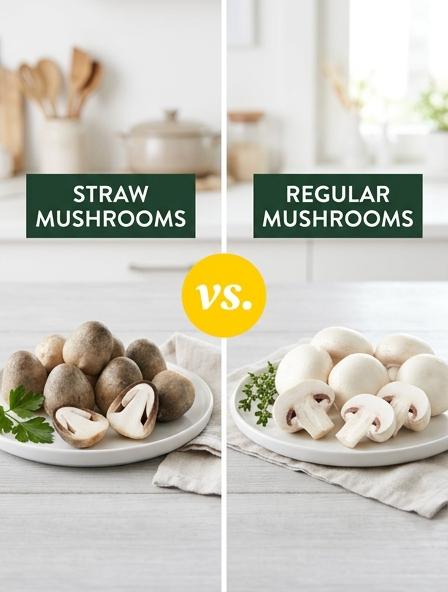
The choice between straw and regular mushrooms fundamentally alters the mouthfeel of a stir-fry. Straw mushrooms are celebrated for their unique structural composition; their protective outer veil traps internal juices, providing a slippery, velvety exterior and a signature "burst" of liquid upon the first bite. Conversely, regular mushrooms like White Button or Cremini are more porous. During high-heat cooking, they release their moisture into the pan and then act as sponges, absorbing the surrounding oils and aromatics.
- Straw Mushrooms: Maintain a succulent, encapsulated moisture level that contrasts beautifully with crisp vegetables.
- Regular Mushrooms: Undergo significant shrinkage, resulting in a denser, meatier texture that concentrates the sauce's flavor.
Many home cooks prefer using straw mushrooms in quick-fire ginger beef recipes to experience that delightful pop of hot broth, whereas they choose sliced button mushrooms for classic stir-fries where a chewy, sauce-soaked texture is the goal.
Nutritional Density and Mineral Profiles for Healthy Eating
Understanding the nutritional nuances between straw mushrooms and regular button mushrooms can help optimize your dietary intake. Straw mushrooms are particularly valued for their high protein concentration and Vitamin C content, which is often higher than in many common temperate varieties. In contrast, regular mushrooms-such as white button or cremini-excel in providing essential B-vitamins like riboflavin and niacin, alongside the potent antioxidant selenium.
- Straw Mushrooms: Excellent sources of potassium and copper, which are vital for cardiovascular health.
- Regular Mushrooms: High in phosphorus and Vitamin D (when exposed to UV light) for bone density.
Both varieties are low in calories and fat-free, making them ideal for weight management and metabolic health. Health-conscious foodies love tossing straw mushrooms into a vibrant stir-fry for an authentic Asian flair, or layering sautéed white mushrooms over grilled salmon to create a mineral-rich, savory dinner.
Flavor Profiles and Umami Depth in Slow Cooked Broths
When simmered in slow-cooked broths, straw mushrooms and regular mushrooms contribute distinct umami characteristics. Straw mushrooms offer a subtle, musky earthiness and a unique silky texture that absorbs surrounding liquids without losing integrity. In contrast, regular mushrooms-such as white button or cremini-release a deep, savory nuttiness that fortifies the broth's base richness.
| Mushroom Type | Broth Impact | Texture |
|---|---|---|
| Straw Mushroom | Delicate and aromatic | Velvety/Slippery |
| Regular Mushroom | Robust and meaty | Dense/Firm |
The choice between them dictates the broth's final complexity. While regular mushrooms provide a reliable, savory foundation for stews, straw mushrooms excel in lighter, more fragrant aromatic soups. You might prefer dropping halved straw mushrooms into a simmering Tom Yum to capture that authentic, velvety bite that regular buttons simply cannot replicate.
Shelf Life and Pantry Storage in Home Kitchens
In the home kitchen, the primary difference between straw mushrooms and regular varieties, such as button or cremini, lies in their metabolic stability. Fresh straw mushrooms are notoriously fragile, often beginning to liquefy within 24 to 48 hours. Because of this extreme perishability, they are rarely sold fresh and are instead staples of the pantry in canned or dried forms, which can last for years.
Conversely, regular mushrooms are resilient produce items. When kept in a breathable paper bag to manage moisture, they remain firm and usable for five to seven days in the refrigerator.
| Mushroom Variety | Fresh Shelf Life | Optimal Storage |
|---|---|---|
| Straw Mushroom | 1–2 Days | Canned (Pantry) |
| Regular Mushroom | 5–7 Days | Paper Bag (Fridge) |
Home cooks love keeping a tin of straw mushrooms in the pantry for a spontaneous mid-week Tom Yum soup, while saving fresh creminis for a planned weekend risotto.
Cooking Durations and Heat Resistance Variations
Straw mushrooms and common varieties like button or cremini mushrooms differ significantly in their structural response to heat. Straw mushrooms possess a unique cellular density that allows them to remain firm and succulent even in boiling broths or intense stir-fry heat. Conversely, regular mushrooms contain high water content and require more time to brown and develop complex umami notes through the Maillard reaction.
- Straw Mushrooms: Rapid cooking (2–4 minutes); ideal for retaining a slippery, "popping" texture in high-heat applications.
- Regular Mushrooms: Moderate cooking (5–10 minutes); necessary for moisture evaporation and achieving a golden-brown finish.
While regular mushrooms shrink significantly during sautéing as they release liquid, straw mushrooms retain their volume and internal moisture remarkably well. You will love adding whole straw mushrooms to a spicy Tom Yum soup at the very last minute to experience that satisfying, juicy burst of flavor in every bite.
Vitamin and Antioxidant Comparison for Family Wellness
Understanding the nutritional nuances between straw mushrooms and regular button mushrooms helps parents make informed choices for family wellness. Both varieties offer potent antioxidants that combat oxidative stress, yet they provide distinct micronutrient profiles:
- Straw Mushrooms: Notable for higher Vitamin C levels and a dense concentration of essential amino acids that support tissue repair.
- Regular Mushrooms: Superior sources of Vitamin D and Selenium, which are crucial for bone health and thyroid function.
While straw mushrooms contain unique bioactive compounds that bolster the immune system, regular mushrooms provide the riboflavin necessary for maintaining healthy skin and vision across all age groups.
Health-conscious parents often toss sliced button mushrooms into a morning omelet for a quick Vitamin D boost, while many families prefer adding straw mushrooms to a savory ginger soup to help strengthen the kids' immune systems during the cold winter months.
Cost Analysis and Household Grocery Budget Impact
Analyzing the price gap between straw mushrooms and regular varieties is essential for maintaining a balanced grocery budget. Common mushrooms, such as White Button or Cremini, are typically the most cost-effective option because they are mass-produced domestically with efficient supply chains. In contrast, straw mushrooms often carry a higher price tag in Western markets as they are primarily available in canned or dried formats, involving import fees and preservation costs.
- Regular Mushrooms: Offers the lowest unit price, making them a staple for budget-friendly meal prepping.
- Straw Mushrooms: Considered a specialty item with a higher cost per ounce, often found in the international aisle.
You might opt for budget-friendly button mushrooms for your daily omelets but reserve the unique texture of straw mushrooms for a special, authentic Thai curry night with friends.
Preparation Requirements and Cleaning for Home Cooks
Handling straw mushrooms versus regular varieties like button or cremini requires different techniques due to their unique growth environments and packaging. While regular mushrooms are typically dry-cleaned or quickly rinsed, straw mushrooms often require more attention to manage their specific texture and brine.
- Regular Mushrooms: Best cleaned by wiping with a damp cloth or a brief rinse to avoid waterlogging.
- Canned Straw Mushrooms: Must be drained and rinsed thoroughly under cold water to remove the "tinny" flavor of the preservation liquid.
- Fresh Straw Mushrooms: Require gentle scrubbing around the volva (the outer "egg" shell) and trimming of the tough base.
Proper preparation ensures that the delicate, earthy flavor of the straw mushroom isn't overshadowed by processing liquids. You will find that adding well-rinsed canned straw mushrooms to a bubbling pot of spicy Tom Yum soup provides a satisfying, velvety pop that regular button mushrooms simply cannot replicate.
Sodium Content and Health Impacts of Canned Varieties
While fresh straw and regular button mushrooms are naturally low in sodium, their canned counterparts often contain significant levels of salt used as a preservative. High sodium intake is closely linked to hypertension and cardiovascular strain. When comparing the two, straw mushrooms are almost exclusively sold in brine, whereas regular mushrooms are more readily available in fresh or frozen formats, which offer superior nutritional profiles.
To maintain a heart-healthy diet while using canned varieties, consider these steps:
- Thoroughly rinse mushrooms under cold water to remove up to 40% of excess sodium.
- Opt for "low-sodium" or "no salt added" labels whenever possible.
- Reduce the amount of additional table salt used in the final recipe.
Imagine tossing a handful of rinsed, savory straw mushrooms into a spicy Tom Yum soup for an authentic silky texture without exceeding your daily sodium limit.
Visual Integration and Aesthetic Appeal in Main Courses
Choosing between straw mushrooms and regular varieties-such as white button or cremini-significantly impacts a dish's visual narrative. Straw mushrooms possess a unique, conical shape and a smooth exterior "envelope" that adds a sophisticated, exotic touch to gourmet plating. Conversely, regular mushrooms offer a classic, earthy aesthetic that diners associate with rustic comfort and traditional western cuisine.
- Straw Mushrooms: Maintain a firm, egg-like silhouette that stands out beautifully in clear broths or glossy stir-fries.
- Regular Mushrooms: Provide iconic sliced profiles that reveal intricate gill patterns, ideal for symmetrical garnishing on steaks or pizzas.
Imagine a steaming bowl of Tom Yum soup where whole straw mushrooms glide alongside bright red chilies, creating a vibrant, professional presentation that foodies adore for its authentic, high-end restaurant appeal.
Straw Mushroom vs Regular Mushroom source and external links
- The Straw Mushroom is a popular edible fungus in Southeast Asian cuisine, traditionally grown on rice straw beds.
- The white button mushroom, often referred to as the Regular Mushroom, is the most widely cultivated and consumed mushroom variety in the world.