
Spelt Flour vs Whole Wheat : Which is Best for Nutritional Density, Baking Performance, and Digestive Health?
Nutritional Density of Ancient and Modern Grains
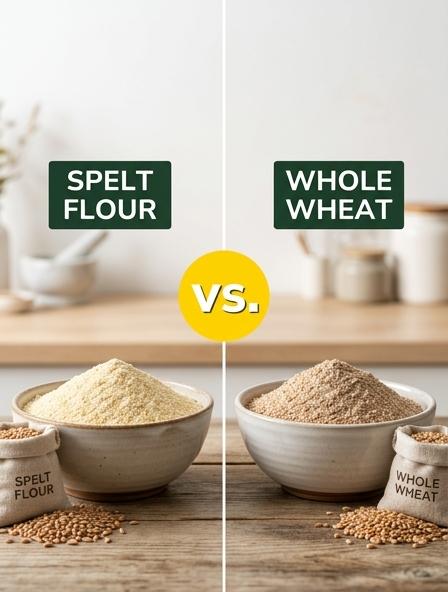
Comparing spelt to modern whole wheat reveals a distinct shift in nutritional profiles. Spelt, an ancient subspecies of wheat, has remained genetically stable for centuries, whereas modern whole wheat has been hybridized for high-yield industrial farming. While both are whole grains, they offer different concentrations of essential micronutrients.
- Spelt: Generally higher in protein, zinc, magnesium, and copper. Its nutrients are housed in the kernel's inner endosperm, making them more accessible.
- Whole Wheat: Typically contains higher levels of insoluble fiber, which is vital for long-term digestive health and satiety.
- Gluten Structure: Spelt features a more water-soluble gluten, which some find easier to digest than the resilient gluten found in modern bread wheat.
Health-conscious bakers often swap modern flour for spelt when preparing rustic galettes to provide guests with a richer, nuttier flavor and a lighter digestive experience.
Structural Differences in Gluten and Dough Elasticity
While both grains contain gluten, their protein structures behave differently during hydration and mixing. Whole wheat features a resilient, robust gluten network that provides the high elasticity needed for structural integrity and a significant rise. Conversely, spelt possesses a higher ratio of gliadin to glutenin, making its gluten more fragile and highly water-soluble.
| Property | Spelt Flour | Whole Wheat |
|---|---|---|
| Gluten Strength | Fragile and weak | Strong and resilient |
| Elasticity | Low (spreads easily) | High (springs back) |
| Kneading Need | Minimal | Extensive |
Because spelt dough is highly extensible but prone to over-kneading, it is the perfect choice for artisans crafting thin, tender crackers or rustic galettes that require a delicate, melt-in-the-mouth texture rather than a chewy bread crumb.
Impact on Digestive Comfort and Gut Wellness
Spelt flour often emerges as a gentler alternative for those seeking improved digestive comfort compared to modern whole wheat. While both are grains containing gluten, spelt possesses a unique protein structure that is more water-soluble, allowing digestive enzymes to break it down more efficiently. Furthermore, spelt is often lower in certain fructans-fermentable carbohydrates that can trigger bloating in individuals with gastrointestinal sensitivities.
- Solubility: Spelt's proteins dissolve faster, potentially aiding quicker gastric emptying.
- Fructan Levels: Lower concentrations reduce the risk of uncomfortable fermentation and gas.
- Fiber Quality: Both grains provide essential roughage to support a healthy microbiome.
You might find that swapping your traditional sandwich bread for a sprouted spelt loaf allows you to enjoy your favorite lunch without the heavy, sluggish feeling often associated with standard wheat products.
Flavor Nuances in Breads and Homemade Pastries
Choosing between spelt and whole wheat flour significantly impacts the flavor profile and texture of your baked goods. While both are nutritious whole grains, their distinct sensory characteristics define the final result:
- Spelt Flour: Known for its mild, nutty sweetness and a lighter, more delicate crumb. It is an ancient grain that offers a sophisticated, subtle taste.
- Whole Wheat: Provides a robust, earthy, and sometimes slightly bitter profile. Its higher fiber and protein content result in a denser, heartier loaf.
Spelt's water-soluble gluten structure makes it less overpowering than modern wheat, allowing secondary ingredients like honey, fruits, or seeds to stand out. In contrast, whole wheat provides that classic, bold "wheaty" punch desired in rustic, farmhouse-style breads.
You might prefer using spelt flour when baking soft cinnamon rolls for a Sunday brunch to ensure the aromatic spices and glaze remain the center of attention.
Moisture Retention and Performance in Baking
Understanding the hydration dynamics between spelt and whole wheat is crucial for achieving the perfect crumb. While both are whole grains, their protein structures respond differently to liquids. Spelt is highly water-soluble, meaning it absorbs moisture quickly but can become "slack" or lose shape if over-hydrated due to its fragile gluten network.
- Spelt: Requires less kneading; prone to spreading in high-hydration recipes.
- Whole Wheat: High fiber content necessitates more water and longer resting times to soften the bran.
Because spelt proteins break down more easily under mechanical stress, bakers often reduce mixing times to prevent a gummy texture. Whole wheat, conversely, offers the structural strength needed for heavy inclusions like seeds or nuts. You might choose spelt for a tender, nutty crust in delicate pastries, while reaching for whole wheat when you want a sturdy, high-rising loaf that holds its shape through a long fermentation.
Mineral and Vitamin Concentration in Heritage Varieties
When comparing spelt flour to modern whole wheat, the nutritional distinction often lies in their genetic history. As an ancient heritage grain, spelt has largely escaped the intensive hybridization of modern bread wheat, which typically prioritizes high yields over nutrient density. Consequently, heritage varieties often maintain a more concentrated profile of essential micronutrients.
- Zinc and Magnesium: Spelt generally contains higher levels, which are vital for metabolic and immune functions.
- Iron and Phosphorus: These minerals are more abundant in the grain structure of ancient varieties compared to common wheat.
- Vitamin B3 (Niacin): Heritage grains are frequently richer in B-complex vitamins, which aid in energy production.
The robust hull of the spelt kernel also acts as a natural barrier, better preserving these vitamins and minerals from environmental stressors during growth. You might choose spelt for your weekend sourdough project to provide your family with a deeper, nuttier flavor and a more bioavailable mineral boost than standard whole wheat can offer.
Satiety Levels and Glycemic Response Comparisons
When comparing spelt flour to whole wheat, understanding their impact on blood sugar and hunger is essential. Both are whole grains rich in dietary fiber, which slows digestion and promotes long-term satiety. However, subtle differences exist in their glycemic response. Spelt typically possesses a moderate glycemic index (GI), as its complex carbohydrates break down steadily, often preventing sharp insulin spikes compared to highly processed wheat varieties.
| Metric | Spelt Flour | Whole Wheat |
|---|---|---|
| Fiber Content | High | Very High |
| Glycemic Index | Lower-Moderate | Moderate |
While whole wheat provides exceptional insoluble fiber, the protein-to-carb ratio in spelt contributes significantly to feeling full. You might prefer a nutty spelt sourdough for your morning toast to ensure you stay energized and satisfied until your afternoon lunch break.
Protein Quality and Its Effect on Culinary Texture
While both flours offer impressive protein profiles, the structural behavior of their gluten differs significantly. Whole wheat flour contains a resilient gluten network that provides the elasticity and strength necessary for a high rise and chewy texture. In contrast, spelt flour possesses a more fragile protein structure; its gluten is highly extensible but lacks the elastic "spring-back" found in modern wheat.
- Whole Wheat: High elasticity, ideal for sturdy, structured breads.
- Spelt: High extensibility, produces a more delicate, tender crumb.
Because spelt's proteins break down more easily under mechanical stress, bakers must use a gentle hand during kneading to avoid a dense, flat result. You will find that spelt is the secret to achieving a silky, light texture in artisanal flatbreads or pancakes where a tough, rubbery bite is unwanted.
Environmental Sustainability of Different Grain Crops
When comparing the ecological footprint of spelt flour versus whole wheat, agricultural inputs and soil health are primary considerations. Spelt is a hardy ancient grain with a thick outer hull that naturally protects the kernel from pests and pollutants, often reducing the necessity for synthetic pesticides. In contrast, modern common wheat has been bred for maximum yield, which frequently requires more intensive fertilization and chemical management to maintain high productivity.
- Low-Input Farming: Spelt thrives in marginalized soils with minimal nitrogen requirements compared to common wheat.
- Biodiversity: Cultivating heirloom grains like spelt helps preserve genetic diversity within our global food supply.
- Organic Suitability: Because of its natural resilience, spelt is often a preferred crop for sustainable, low-impact farming systems.
You may prefer using organic spelt flour in your home baking to support agricultural methods that prioritize soil conservation and reduced chemical runoff.
Consistency and Crumb Quality in Family Recipes
When substituting grains in heirloom recipes, the structural differences between spelt and whole wheat significantly impact the final crumb. Spelt is an ancient grain with a highly water-soluble gluten profile, resulting in a delicate, tender texture. However, this fragility means it can easily lose its shape if over-kneaded. Conversely, whole wheat flour contains a more resilient gluten network, offering the structural integrity needed for dense, chewy loaves.
- Spelt: Creates a light, silky crumb with a subtle nutty flavor.
- Whole Wheat: Produces a robust, hearty consistency that holds up well in rustic bakes.
Achieving the perfect balance requires monitoring hydration levels, as spelt absorbs water differently than modern wheat. You will love using spelt in your family's secret pancake batter to create a melt-in-the-mouth fluffiness that traditional whole wheat simply cannot replicate.
Spelt Flour vs Whole Wheat source and external links
- Spelt flour is an ancient grain variety known for its nutty flavor and its distinct protein structure compared to modern wheat.
- Whole wheat flour is produced by grinding the entire grain kernel, ensuring that the fiber-rich bran and nutrient-dense germ are preserved.