
Spaghetti Squash vs Yellow Squash: Which is Best for Nutritional Density, Culinary Versatility, and Long-Term Satiety?
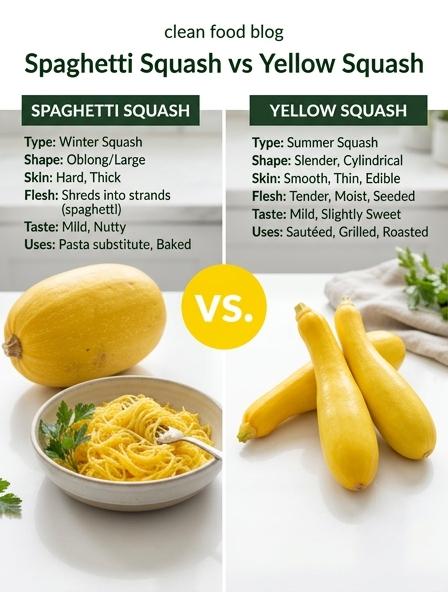
Nutritional Density and Caloric Profiles of Seasonal Varieties
Understanding the nutritional differences between spaghetti squash and yellow squash is essential for dietary planning. While both are low-calorie vegetables, they offer distinct micronutrient profiles. Yellow squash, typically harvested in summer, has a higher water content and provides a significant boost of Vitamin C and potassium. In contrast, spaghetti squash is more calorically dense but offers higher amounts of dietary fiber and Vitamin B6.
| Nutrient (per 100g) | Yellow Squash | Spaghetti Squash |
|---|---|---|
| Calories | ~19 kcal | ~31 kcal |
| Dietary Fiber | 1.1g | 1.5g |
| Primary Vitamin | Vitamin C | Vitamin B6 / Pantothenic Acid |
You might find yourself reaching for yellow squash to add a tender, antioxidant-rich crunch to a Mediterranean stir-fry, whereas you'll likely prefer the hearty, thread-like texture of spaghetti squash when seeking a satisfying, low-carb alternative to traditional pasta.
Thermal Stability and Texture Retention in Prepared Dishes
The culinary application of these squashes depends heavily on their reaction to heat. Spaghetti squash is defined by its high thermal stability; its fibrous strands are physically reinforced, allowing them to retain a distinct, al dente bite even after long periods of roasting or baking. This makes it an ideal structural substitute for grain-based noodles.
- Spaghetti Squash: Low moisture, high fiber; maintains strand separation during reheating.
- Yellow Squash: High moisture, thin skin; softens into a tender, succulent texture within minutes.
Yellow squash lacks this structural rigidity. Its high water content causes the cell walls to collapse quickly under thermal stress, leading to a soft, uniform consistency. While yellow squash is prized for quick sautés, it cannot provide the "crunch" or separation found in its winter relative.
Health-conscious foodies love using roasted spaghetti squash as a sturdy bed for heavy meatballs, ensuring the "pasta" doesn't turn into a watery mess on the plate.
Vitamin Concentrations and Antioxidant Value for Family Health
When comparing spaghetti squash and yellow squash, both offer significant micronutrients essential for a balanced family diet. Yellow squash, or summer squash, is particularly high in Vitamin C and folate, which are vital for immune support and cellular repair. In contrast, spaghetti squash provides a higher concentration of Vitamin A (beta-carotene) and Vitamin B6, supporting vision and metabolic health.
- Yellow Squash: Excellent source of potassium, manganese, and the antioxidants lutein and zeaxanthin for eye health.
- Spaghetti Squash: Contains higher fiber content and essential minerals like calcium and iron for bone strength.
Both varieties contain polyphenols that help reduce oxidative stress in the body. While yellow squash offers a more immediate hit of Vitamin C, spaghetti squash provides long-term satiety through complex carbohydrates and fiber. You might swap traditional noodles for spaghetti squash to sneak extra antioxidants into a kid-friendly dinner, or quickly sauté yellow squash with herbs for a potassium-rich side dish that supports heart health.
Kitchen Efficiency and Preparation Time for Fresh Produce
When evaluating kitchen efficiency, the primary difference between these two vegetables lies in their density and skin texture. Yellow squash is a "fast" vegetable; its soft, edible skin and high water content allow for rapid slicing and cooking with minimal effort. In contrast, spaghetti squash is a "slow" vegetable that requires a sturdy knife and a significant time investment to achieve its signature texture.
- Yellow Squash: Prepped in seconds; cooks in 5–7 minutes via sautéing or steaming.
- Spaghetti Squash: Requires halving and deseeded; roasts for 45–60 minutes to tenderize.
While yellow squash offers immediate results for busy cooks, spaghetti squash provides a unique structural payoff that justifies the wait. You might reach for the yellow squash when you need a lightning-fast side dish for a Tuesday night, but you will prefer the spaghetti squash for a dedicated Sunday meal prep where the oven does the heavy lifting to create a healthy, low-carb pasta substitute.
Moisture Release and Impact on Recipe Consistency
Managing moisture is the primary challenge when choosing between spaghetti squash and yellow squash. Both varieties have high water content, but their structural response to heat differs significantly. Spaghetti squash releases moisture after cooking; if not drained or salted, this excess liquid can pool at the bottom of a plate, though the strands remain firm. Yellow squash, however, has a more porous cellular structure that collapses as it releases juice, often leading to a softer, more integrated consistency in the final dish.
- Spaghetti Squash: Holds its "noodle" shape despite moisture release.
- Yellow Squash: Becomes tender and can make casseroles or sautés watery if not cooked quickly.
You might prefer the resilient crunch of spaghetti squash when building a hearty, low-carb Bolognese, whereas yellow squash is the ideal choice when you want a vegetable that softens beautifully into a buttery summer medley.
Fiber Content and Digestive Wellness Comparisons
When comparing spaghetti squash and yellow squash, fiber content is a key differentiator for digestive health. Spaghetti squash is a superior source of dietary fiber, offering approximately 2.2 grams per cup. Its unique stringy texture consists largely of insoluble fiber, which adds bulk to the stool and supports regular bowel movements.
Yellow squash, while lower in fiber at about 1.2 grams per cup, is exceptionally high in water content. This makes it a hydrating option that is gentle on the gastrointestinal tract, ideal for those with sensitive digestions.
| Squash Variety | Fiber (per cup) | Primary Wellness Benefit |
|---|---|---|
| Spaghetti Squash | 2.2g | Promotes satiety and regularity |
| Yellow Squash | 1.2g | Easy digestion and hydration |
Health enthusiasts love roasting spaghetti squash as a low-carb pasta substitute to enjoy a filling, fiber-rich meal that prevents the sluggish "food coma" often associated with traditional noodles.
Heat Resistance and Performance in Different Cooking Methods
Spaghetti squash and yellow squash exhibit distinct behaviors under heat due to their moisture levels and structural density. Spaghetti squash is highly heat-resistant; its thick rind and fibrous flesh require long roasting or pressure-cooking times to break down into its signature strands without becoming mushy. In contrast, yellow squash has a high water content and delicate skin, making it better suited for rapid, high-heat applications like sautéing or grilling where it can caramelize quickly.
| Method | Spaghetti Squash | Yellow Squash |
|---|---|---|
| Roasting | Best for strand separation. | Collapses if overcooked. |
| Sautéing | Rarely used. | Excellent for browning. |
Home cooks often prefer roasting a halved spaghetti squash until tender, then scraping the "noodles" into a bowl to serve as a sturdy, low-carb base for heavy meat sauces.
Shelf Stability and Storage Requirements for Freshness
The primary difference in shelf life between spaghetti squash and yellow squash lies in their rind thickness. As a winter squash, spaghetti squash features a hard, protective outer shell that acts as a natural preservative. In contrast, yellow squash is a summer variety with thin, permeable skin, making it much more sensitive to environmental factors and moisture loss.
| Squash Variety | Ideal Storage Location | Average Shelf Life |
|---|---|---|
| Spaghetti Squash | Cool, dry pantry (50-60°F) | 1–2 Months |
| Yellow Squash | Refrigerator crisper drawer | 5–7 Days |
To maximize freshness, avoid washing either variety until you are ready to cook, as excess surface moisture can accelerate decay. Many home cooks love the convenience of keeping a spaghetti squash in the pantry for a last-minute healthy pasta substitute, while using fresh yellow squash immediately for a quick, tender summer sauté.
Flavor Profiles and Seasoning Absorption in Home Cooking
Choosing between spaghetti squash and yellow squash depends heavily on your desired texture and flavor intensity. Yellow squash, a summer variety, features a delicate, buttery sweetness and high moisture content, allowing it to soak up fats and spices rapidly during a quick sauté. Conversely, spaghetti squash offers a mild, slightly nutty profile with a unique fibrous structure that resists breaking down.
- Yellow Squash: Soft texture and sweet undertones; ideal for absorbing browned butter and fresh herbs.
- Spaghetti Squash: Firm, noodle-like strands; a neutral canvas that excels at gripping heavy or acidic sauces.
While yellow squash melds into stir-fries for a cohesive bite, many home cooks prefer roasting spaghetti squash to serve as a low-carb pasta substitute, tossing the strands with a robust marinara or creamy Alfredo to highlight its sauce-gripping capabilities.
Caloric Impact and Satiety Levels in Main Courses
Choosing between spaghetti squash and yellow squash significantly alters the nutritional profile of your main course. Spaghetti squash serves as a dense, fibrous pasta substitute, containing approximately 42 calories per cup. Its unique texture provides high satiety, making it an excellent anchor for heavy sauces. In contrast, yellow squash is much lighter, offering only 18 calories per cup. While lower in energy, its higher water content means it offers less structural "bulk" and lower satiety when served as a primary entree.
| Metric (per cup) | Spaghetti Squash | Yellow Squash |
|---|---|---|
| Total Calories | 42 kcal | 18 kcal |
| Dietary Fiber | 2.2g | 1.1g |
You might prefer roasting a large spaghetti squash as a voluminous, low-carb base for turkey bolognese when you want to feel incredibly full without the heavy calorie load of traditional grain pasta.
Spaghetti Squash vs Yellow Squash source and external links
- Spaghetti squash is a nutritious winter vegetable known for its unique flesh that separates into long, noodle-like strands when cooked.
- Often used in stir-fries and casseroles, yellow squash is a versatile summer variety characterized by its thin, edible skin and mild flavor.