
Soybean Oil vs Vegetable Oil : Comparing Smoke Points, Nutrition Profiles, and Culinary Versatility Differences
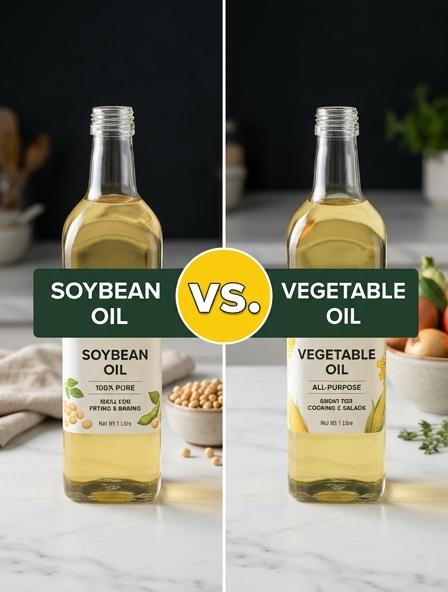
Smoke Points and Thermal Stability for High Heat Cooking
When comparing soybean oil and vegetable oil, their performance under high temperatures is a primary consideration for home cooks and professional chefs alike. Both oils are highly refined, which increases their thermal stability by removing impurities that would otherwise cause premature smoking and oxidation.
| Oil Type | Average Smoke Point |
|---|---|
| Refined Soybean Oil | 450°F (232°C) |
| Vegetable Oil (Blends) | 400°F – 450°F (204°C – 232°C) |
Because most commercial vegetable oils are primarily or entirely composed of soybean oil, their smoke points are nearly identical. These fats can withstand deep-frying, searing, and high-heat roasting without breaking down into harmful compounds or imparting bitter flavors to the food.
You might prefer these versatile oils when flash-frying crispy calamari or searing a steak in a cast-iron skillet to achieve a perfect golden crust without filling your kitchen with acrid smoke.
Fatty Acid Profiles and Heart Health Considerations
Understanding the distinction between soybean oil and generic vegetable oil is vital for cardiovascular wellness. Soybean oil is predominantly composed of polyunsaturated fats, specifically omega-6 linoleic acid and heart-healthy omega-3 alpha-linolenic acid. In contrast, "vegetable oil" is typically a blend, often dominated by soybean oil but sometimes incorporating corn, canola, or palm oils, which alters the final fatty acid ratio.
- Soybean Oil: Consistently high in PUFAs; a reliable source of essential omega-3s.
- Blended Vegetable Oil: Variable nutrient profile; may contain more saturated fats depending on the source ingredients.
Both oils are cholesterol-free and can help lower LDL cholesterol when replacing solid fats like butter or lard. You might choose pure soybean oil when you want a consistent boost of omega-3s for a nutritious salad dressing, while many families prefer a generic vegetable blend as a versatile, neutral-tasting staple for high-heat frying and everyday baking.
Flavor Neutrality and Aroma in Diverse Recipes
Soybean oil and generic vegetable oils are celebrated for their culinary versatility, primarily due to their neutral flavor profiles and lack of strong aromas. Most "vegetable oils" found on supermarket shelves are actually 100% soybean oil or a blend dominated by it. This neutrality ensures that the delicate balance of spices in a dish or the natural sweetness of baked goods remains uninterrupted.
Unlike unrefined oils, these options do not develop pungent scents when subjected to high heat, making them reliable for heavy-duty cooking. Their performance characteristics include:
- Soybean Oil: Offers a clean finish with a very subtle, light buttery undertone.
- Vegetable Oil: Specifically refined for maximum neutrality to suit any global cuisine or technique.
You might prefer using soybean oil when whisking together a delicate homemade mayonnaise, ensuring the richness of the egg yolks takes center stage without any competing herbal notes.
Oxidation Resistance and Pantry Storage Longevity
Understanding the stability of soybean oil versus generic vegetable oil blends is crucial for maintaining food quality. Oxidation occurs when heat, light, or oxygen break down fatty acids, eventually leading to rancidity. Because most modern vegetable oils are primarily composed of soybean oil, their shelf lives are remarkably similar, though minor differences in processing can impact chemical stability:
- Polyunsaturated Fat Content: High levels in soybean oil make it more susceptible to oxidation than saturated fats.
- Natural Antioxidants: Refined soybean oil often retains tocopherols (Vitamin E), which act as natural preservatives to slow down spoilage.
- Average Shelf Life: Both oils typically remain shelf-stable for 6 to 12 months after opening if stored in a cool, dark environment.
Home bakers often prefer buying smaller, fresh bottles of soybean oil to ensure their delicate sponge cakes never inherit the bitter, off-flavors associated with an oxidized pantry staple.
Saturated Fat Content and Overall Nutritional Value
When comparing soybean oil to generic vegetable oil, the primary distinction lies in fat composition. While many commercial vegetable oils are actually 100% soybean oil, some blends include palm or corn oil, which can increase saturated fat levels. Pure soybean oil is naturally low in saturated fats-typically around 15%-and high in heart-healthy polyunsaturated fats.
- Soybean Oil: Rich in Vitamin K, Vitamin E, and essential Omega-3 and Omega-6 fatty acids.
- Vegetable Oil Blends: Nutritional value fluctuates depending on whether the blend prioritizes canola, sunflower, or palm oils.
Both options are cholesterol-free and offer high smoke points, making them versatile for high-heat cooking. However, pure soybean oil provides a more consistent profile of alpha-linolenic acid (ALA) for cardiovascular support. You might choose pure soybean oil when whisking together a homemade vinaigrette or frying a batch of crispy chicken to ensure a neutral taste and a light, non-greasy finish that health-conscious cooks appreciate.
Physical Consistency in Emulsions and Cold Dressings
When comparing soybean oil and generic vegetable oil for cold applications, their physical behavior is nearly identical. This similarity exists because most products labeled "vegetable oil" are primarily composed of soybean oil. These oils are highly valued in the production of emulsions and cold dressings because they remain liquid and clear at refrigerated temperatures, unlike saturated fats or certain olive oils that cloud and solidify.
The following characteristics define their performance in cold formulations:
- Flowability: Low viscosity ensures easy pouring and mixing.
- Emulsion Stability: High polyunsaturated fat content helps maintain a permanent bond in mayonnaise.
- Clarity: High resistance to "winterization" keeps dressings looking fresh and transparent.
Home cooks often prefer soybean oil for homemade ranch dressing because it ensures the sauce stays creamy and perfectly pourable even when served straight from the refrigerator.
Extraction and Refining Processes for Kitchen Fats
The journey from seed to bottle for both soybean and generic vegetable oils involves rigorous industrial processing. Most commercial oils are produced through a multi-stage refinement method designed to create a shelf-stable product with a high smoke point.
- Extraction: Seeds are cleaned, cracked, and heated, often using chemical solvents like hexane to maximize oil yield.
- Neutralization: Refining removes free fatty acids and phospholipids that can cause early spoilage or off-flavors.
- Deodorization: High-heat steam treatment strips away strong natural odors, resulting in a neutral profile.
While soybean oil is derived from a single crop, generic "vegetable oil" is frequently a refined blend of soy, corn, or canola. Both undergo these processes to ensure they do not impart unwanted tastes during high-heat cooking. You will appreciate this neutral refinement when baking a delicate vanilla sponge cake, where any hint of heavy seed flavor would overwhelm the dessert's natural sweetness.
Heat Performance for Frying and Sautéing Applications
When comparing heat performance, both soybean oil and generic vegetable oil are kitchen staples due to their impressive thermal stability. Pure soybean oil typically withstands temperatures up to 450°F (232°C), making it an ideal candidate for intense sautéing and deep-frying without breaking down or releasing acrid smoke. In contrast, "vegetable oil" is usually a blend-often consisting heavily of soybean oil mixed with corn or canola-resulting in a similar, though sometimes slightly lower, heat tolerance.
- Soybean Oil: Exceptional stability; perfect for achieving a crispy, uniform exterior.
- Vegetable Oil Blend: Reliable for everyday high-heat cooking and versatile stir-frying.
Using these oils ensures that the chemical structure remains intact at high temperatures, preventing the formation of bitter flavors or harmful compounds. You will appreciate the high smoke point of soybean oil when you are flash-frying delicate tempura to achieve that signature light, golden crunch without any burnt aftertaste.
Micronutrient Levels and Vitamin Concentrations
When analyzing the nutritional density of soybean oil versus generic vegetable oil, the focus typically shifts to fat-soluble vitamins. Pure soybean oil is particularly noted for its significant concentrations of specific micronutrients:
- Vitamin K: Essential for bone mineralization and proper blood coagulation.
- Vitamin E: A potent antioxidant that protects cells from oxidative damage and supports skin health.
- Phytosterols: Plant-derived compounds that may assist in managing cholesterol levels.
Generic vegetable oils are often blends of various sources like corn, canola, or palm. Consequently, their vitamin levels fluctuate based on the specific mixture. While soybean oil is a primary ingredient in most blends, opting for the pure version ensures a consistent intake of alpha-tocopherol. Since these nutrients are fat-soluble, the oil acts as a necessary carrier for optimal biological absorption.
You might prefer using pure soybean oil in a homemade vinaigrette to ensure you are getting a steady dose of Vitamin K alongside your fresh garden greens.
Utility and Cost Effectiveness for Frequent Cooking
When comparing soybean oil and vegetable oil for daily culinary use, the primary considerations are budget and versatility. Most commercial vegetable oils are actually composed entirely of soybean oil, meaning their performance in the kitchen is nearly identical. Both options offer a high smoke point of approximately 450°F, making them ideal for high-heat methods like deep-frying, searing, and sautéing without chemical breakdown.
- Affordability: Both are among the most budget-friendly fats for high-volume cooking.
- Neutrality: Their flavorless profile preserves the authentic taste of your ingredients.
- Stability: A long shelf life makes them reliable for frequent meal preparation.
Imagine a home cook preparing a massive batch of crispy fried chicken for a weekend family reunion; they usually reach for a large, cost-effective jug of vegetable oil because it delivers consistent golden results without exceeding the grocery budget.
Soybean Oil vs Vegetable Oil source and external links
- Soybean oil is a versatile vegetable oil extracted from the seeds of the soybean, commonly used in high-heat cooking and food manufacturing.
- Vegetable oil is a plant-based fat derived from various seeds, grains, or fruits, frequently used as a multi-purpose ingredient in both frying and baking.