
Soy Ginger vs Garlic: Which is Best for Flavor Depth, Cooking Performance, and Health Benefits?
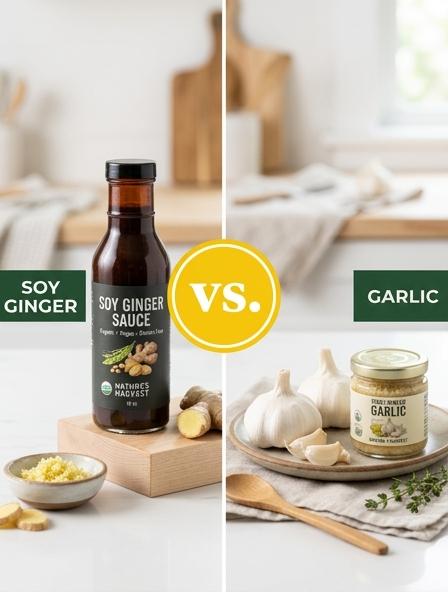
Flavor Profile Comparison for Home Recipes
Choosing between soy ginger and garlic depends on the intended depth and brightness of your meal. Soy ginger provides a complex harmony of salty umami and zesty, peppery heat, making it a favorite for refreshing marinades and light glazes. In contrast, garlic offers a more concentrated, earthy foundation that transforms from sharp and pungent when raw to sweet and buttery when roasted.
- Soy Ginger: Delivers a balanced, aromatic profile with subtle fermentation notes.
- Garlic: Provides a robust, savory backbone that anchors heavy sauces and fats.
While soy ginger excels at cutting through rich oils with its acidic bite, garlic remains the universal choice for building foundational layers of flavor in nearly any savory cuisine. You might prefer soy ginger for a vibrant, citrusy stir-fry, whereas garlic is the essential pick for infusing deep, aromatic warmth into a classic batch of roasted potatoes.
Aromatic Strength and Kitchen Environment
Garlic is renowned for its aggressive, sulfurous aroma that quickly saturates a kitchen and lingers long after the meal is finished. Its volatile oils create a pungent atmosphere that defines many savory cuisines. In contrast, the combination of soy and ginger produces a bright, zesty fragrance. While ginger provides a sharp, peppery kick, the fermented depth of soy sauce anchors the scent, making it significantly less pervasive than raw garlic.
When choosing between these aromatics, consider their lasting impact on your cooking space:
- Garlic: High intensity; creates a deep, earthy, and persistent scent.
- Soy Ginger: Moderate intensity; offers a refreshing, savory, and clean-finishing profile.
You will likely reach for the soy ginger blend when preparing a quick weekday stir-fry that leaves your kitchen smelling energized and light rather than heavy with the heavy scent of roasted cloves.
Nutritional Density and Body Wellness
Comparing soy ginger and garlic reveals distinct profiles of wellness-promoting compounds. Garlic is a nutritional powerhouse, rich in manganese, Vitamin B6, and Vitamin C. Its primary sulfur compound, allicin, is renowned for its cardiovascular benefits and immune-system support. In contrast, the soy ginger combination balances savory flavor with specific medicinal properties. Ginger contains gingerol, a bioactive substance that reduces oxidative stress and aids digestion, while soy contributes fermented antioxidants and essential minerals.
- Garlic: Exceptional antimicrobial properties and high selenium content.
- Ginger: Potent anti-inflammatory effects and relief from digestive distress.
- Soy Sauce: Provides trace minerals and helps mineral absorption.
While garlic offers higher micronutrient density per clove, ginger provides specialized gut-health support. You might prefer whisking together a soy ginger glaze for a restorative salmon dinner or mincing fresh garlic into a vegetable sauté to bolster your immunity during the cold season.
High Heat Stability and Cooking Performance
Understanding heat tolerance is crucial for achieving the perfect flavor profile in Asian-inspired cuisine. Garlic is notoriously delicate; its high sugar content causes it to burn rapidly at high temperatures, resulting in a sharp, bitter aftertaste. In contrast, ginger possesses a denser cellular structure that withstands intense heat, making it ideal for the initial stages of a hot wok sear.
| Ingredient | Heat Tolerance | Best Cooking Stage |
|---|---|---|
| Garlic | Low | Late addition (Aromatic finish) |
| Soy Ginger | Medium-High | Early addition (Flavor base) |
Soy sauce acts as a liquid buffer, though it requires careful monitoring to prevent reduction into a salty crust. You might prefer tossing fresh ginger into your high-heat stir-fry first to build a fragrant base, adding the garlic only in the final moments to preserve its sweet, aromatic essence without risking a scorched dish.
Sodium Content and Dietary Considerations
When evaluating soy ginger versus garlic from a nutritional perspective, the primary concern is often sodium density. Soy ginger profiles typically rely on a fermented soy sauce base, which is inherently high in salt and may contain gluten or added sugars. In contrast, fresh garlic or garlic powder is naturally sodium-free and low in calories, offering a heart-healthy way to enhance flavor without affecting blood pressure.
- Soy Ginger: High sodium content; may include wheat-based ingredients and preservatives.
- Garlic: Zero sodium; rich in organosulfur compounds like allicin for antioxidant support.
If you are managing hypertension or a low-sodium diet, you might prefer using a heavy hand of minced garlic paired with lemon juice to replicate the savory "umami" bite of soy ginger without the risk of water retention or salt overload.
Effectiveness in Protein Marination
Comparing soy ginger and garlic involves understanding their chemical impact on meat fibers. Soy sauce acts as a powerful brine, utilizing high sodium content to enhance moisture retention via osmosis. Ginger provides a unique advantage through zingibain, a natural proteolytic enzyme that actively tenderizes proteins by breaking down connective tissues. Garlic, while rich in aromatic sulfur compounds like allicin, functions primarily as a flavor penetrant rather than a structural tenderizer.
- Soy Ginger: Superior for softening tough muscle fibers and adding savory umami.
- Garlic: Best for deep aromatic infusion and enhancing the natural sweetness of the protein.
A soy-ginger marinade is the preferred choice for home cooks preparing flank steak, as the enzymes ensure the thin slices remain incredibly tender and juicy after a high-heat sear.
Storage Requirements and Shelf Life
Maintaining the peak flavor of your aromatics depends heavily on their environment. Fresh garlic is highly resilient, thriving in cool, dry, and dark pantries with plenty of air circulation. In contrast, soy ginger preparations-whether homemade marinades or store-bought dressings-are much more perishable due to their high moisture content and acidity levels, requiring immediate refrigeration after opening.
| Ingredient | Optimal Storage | Typical Shelf Life |
|---|---|---|
| Whole Garlic Bulbs | Dry Pantry (Room Temp) | 3–5 Months |
| Fresh Ginger Root | Crisper Drawer (Refrigerated) | 3–4 Weeks |
| Soy Ginger Sauce | Refrigerated | 2–3 Months |
While garlic maintains its structural integrity in the cupboard, the volatile oils in ginger-soy blends can oxidize quickly if left at room temperature. You will love how a chilled bottle of soy ginger glaze stays zesty and sharp, ready to instantly transform a simple plate of grilled salmon into a restaurant-quality meal.
Visual Aesthetics and Plate Appeal
Visual presentation is essential in culinary arts, and both soy ginger and garlic offer unique ways to enhance a dish. Soy ginger blends provide a deep, mahogany gloss that creates a professional glaze, ideal for sleek and modern plating. This combination offers a translucent, uniform color that highlights the natural texture of proteins like salmon or tofu.
Conversely, garlic introduces distinct visual textures. Whether minced into a rustic "confetti" or sliced into bold, crispy chips, garlic provides a stark contrast against darker ingredients. While soy ginger offers a smooth, liquid finish, garlic acts as a tactile garnish that adds artisanal charm.
- Soy Ginger: Achieves a high-gloss, mirror-like finish with deep amber tones.
- Garlic: Delivers textural variety ranging from opaque white to toasted gold.
Home chefs often prefer drizzling a shimmering soy ginger reduction over seared sea bass to achieve that high-end restaurant sheen that diners love to capture in photos.
Consistency and Sauce Texture Integration
The culinary application of soy ginger versus garlic depends heavily on how their physical forms integrate into a base. Soy ginger sauces typically offer a fluid, syrupy consistency, as the ginger juice blends seamlessly with liquid soy sauce to create a uniform glaze. Conversely, garlic often introduces structural particulates-whether minced, sliced, or crushed-which provide distinct textural interruptions.
| Feature | Soy Ginger | Garlic Sauce |
|---|---|---|
| Viscosity | Smooth & Liquid | Textured & Chunky |
| Integration | Emulsifies easily | Suspended solids |
You might choose a strained soy ginger reduction for a sleek, professional plating of seared tuna, whereas a rustic garlic-heavy oil is preferred by those who enjoy the crunchy, pungent bite of toasted aromatics in a stir-fry.
Digestive Ease and Sensitivity Considerations
When comparing soy ginger and garlic-heavy flavor profiles, the impact on gut health is a deciding factor for many. Garlic is high in fructans, a type of fermentable carbohydrate (FODMAP) that can trigger bloating, gas, and abdominal pain in individuals with sensitive digestive systems or IBS. In contrast, ginger is globally recognized for its carminative properties, which help soothe the intestinal tract and accelerate gastric emptying.
- Garlic: Contains sulfur compounds that may cause acid reflux or lingering indigestion.
- Ginger: Acts as a natural anti-inflammatory and prokinetic agent to reduce nausea.
- Soy Sauce: Adds umami but requires attention for those with gluten or high-sodium sensitivities.
Fitness enthusiasts often choose a soy ginger marinade for their pre-workout meal to enjoy a boost of flavor without the heavy stomach pressure or "garlic repeats" that can occur during intense physical activity.
Soy Ginger vs Garlic source and external links
- Soy ginger sauce is a versatile condiment that balances savory and zesty flavors, making it a staple in various Asian-inspired dishes like this Soy Ginger sauce recipe.
- Garlic is a pungent bulb used globally as a fundamental flavoring agent and is widely recognized for the many health benefits of garlic.