
Soy Ginger Sauce vs Soy Sauce: The Differences in Flavor Complexity, Culinary Performance, and Nutritional Profiles
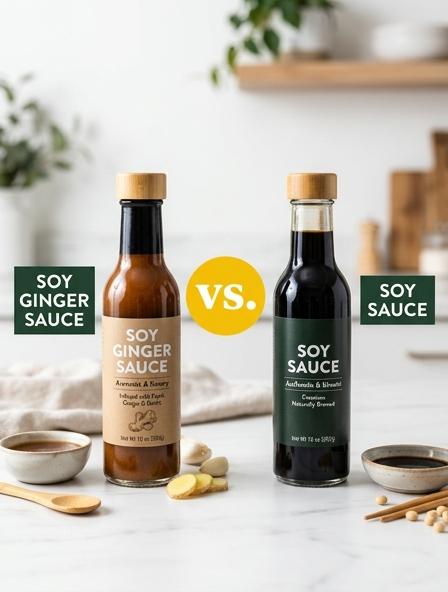
Sodium Levels and Daily Health Impact
When comparing soy ginger sauce to traditional soy sauce, the primary health consideration is sodium density. Pure soy sauce is highly concentrated, often containing over 900mg of sodium per tablespoon, which can quickly lead to exceeding daily cardiovascular recommendations. Conversely, soy ginger sauce typically utilizes a diluted base balanced with rice vinegar and fresh aromatics, often resulting in a lower sodium-per-serving ratio.
- Standard Soy Sauce: High salinity, primarily used for deep umami and saltiness.
- Soy Ginger Sauce: Moderate sodium, relying on spicy ginger and acidity for flavor complexity.
Managing salt intake is essential for maintaining healthy blood pressure and reducing water retention. Transitioning to a ginger-infused variety allows for a robust flavor profile without the heavy sodium load found in standard fermented condiments. You might love using soy ginger sauce as a light glaze for seared tuna to achieve a gourmet, zesty finish without the overwhelming saltiness of a traditional soy soak.
Caramelization Potential and Heat Performance
The primary difference between soy sauce and soy ginger sauce during cooking lies in their sugar content and viscosity. Standard soy sauce is a thin, high-sodium liquid that provides deep umami but lacks the sugars necessary for significant caramelization; if overheated, it can quickly turn bitter or burnt.
- Soy Sauce: High salt, low sugar; ideal for seasoning broth or quick deglazing.
- Soy Ginger Sauce: Typically contains ginger, honey, or mirin, which facilitates the Maillard reaction.
Because soy ginger sauce is often more viscous, it performs exceptionally well under high heat, transforming into a thick, mahogany glaze that coats ingredients. The ginger solids also add a textural element that resists thinning out, unlike the watery consistency of pure soy sauce.
You will find that brushing a soy ginger sauce over grilled salmon or chicken thighs in the final minutes of cooking creates a sticky, caramelized crust that satisfies those who love a sweet-and-savory char.
Aromatic Depth and Flavor Complexity
While soy sauce provides a foundational profile of deep umami and concentrated saltiness, soy ginger sauce introduces a sophisticated aromatic hierarchy. Standard soy sauce relies on the fermentation of soybeans and wheat to create its savory, earthy punch. In contrast, soy ginger sauce builds upon that salty base by infusing fresh aromatics that brighten the palate.
- Soy Sauce: Single-note savory profile with high sodium impact.
- Soy Ginger Sauce: Multidimensional with peppery heat, citrusy undertones, and often a hint of sweetness.
The addition of ginger provides a sharp, cleansing heat that cuts through the richness of fats, whereas additional ingredients like rice vinegar or sesame oil often round out the sauce's complexity. You might find that drizzling a zesty soy ginger blend over a delicate piece of steamed white fish provides the vibrant, aromatic lift that plain soy sauce simply cannot replicate.
Meat Texture and Tenderness Influence
While both liquids enhance flavor, their impact on meat structure differs significantly. Standard soy sauce primarily acts as a brine; its high sodium content helps muscle fibers retain moisture, ensuring the meat stays juicy during searing. However, soy ginger sauce provides a functional advantage for tougher cuts due to the biological properties of fresh ginger.
- Soy Sauce: Enhances moisture retention through osmosis but lacks active tenderizing agents.
- Soy Ginger Sauce: Contains zingibain, a natural proteolytic enzyme that actively breaks down collagen and tough protein fibers.
This enzymatic process means that soy ginger sauce does more than season-it chemically softens the meat's texture from the inside out. You might reach for the soy ginger bottle when marinating a lean flank steak or thick pork chops to guarantee a melt-in-your-mouth tenderness that plain soy sauce simply cannot deliver.
Caloric Density and Nutritional Profiles
Comparing the nutritional footprint of soy ginger sauce versus traditional soy sauce reveals significant differences in caloric density. Pure soy sauce is a low-calorie condiment, primarily contributing sodium and umami. In contrast, soy ginger sauce is a composite glaze often containing sweeteners like sugar or honey and fats from sesame oil, which notably increases its energy density.
| Nutrient (per tbsp) | Soy Sauce | Soy Ginger Sauce |
|---|---|---|
| Calories | 8–10 kcal | 25–45 kcal |
| Sodium | ~900 mg | ~400–600 mg |
| Sugar | <1 g | 3–6 g |
While soy sauce provides a concentrated salty punch, the ginger variant offers a more balanced but sugary profile. Health-conscious home cooks often reach for standard soy sauce to keep calories low, while those preparing a quick salmon stir-fry prefer the rich, aromatic profile of soy ginger sauce to eliminate the need for extra oils and aromatics.
Liquid Consistency and Plating Aesthetics
When comparing soy ginger sauce vs. soy sauce, the most immediate difference lies in their viscosity and visual impact on a dish. Traditional soy sauce is a thin, watery liquid that quickly penetrates ingredients, providing a deep, dark stain. In contrast, soy ginger sauce is typically thicker and more emulsified, often containing tiny textural particles from minced ginger or supplemental sweeteners.
- Soy Sauce: Low viscosity, uniform dark brown color, and high absorption rates.
- Soy Ginger Sauce: Medium viscosity, lighter amber hue, and a tendency to cling to food surfaces.
These physical properties dictate how each sauce presents on a plate. While soy sauce tends to pool at the bottom of a bowl, the heavier body of soy ginger sauce allows it to act as a glaze, highlighting the contours of the food. Home cooks often prefer drizzling a thick soy ginger sauce over seared ahi tuna to create a glossy, restaurant-quality finish that stays perfectly in place for the final presentation.
Storage Stability and Preservation Requirements
The primary difference in shelf life between these two condiments stems from their ingredient complexity. Traditional soy sauce is a fermented product with high salt content, which acts as a natural preservative, allowing it to remain shelf-stable in a cool, dark pantry for months. Conversely, soy ginger sauce incorporates fresh aromatics, sugars, and sometimes citrus, which increases its susceptibility to oxidation and microbial growth.
- Soy Sauce: Highly stable; refrigeration is optional but recommended to preserve the delicate umami profile and prevent darkening.
- Soy Ginger Sauce: Perishable; must be refrigerated immediately after opening to protect the integrity of the fresh ginger extracts and moisture content.
Home cooks often leave their standard soy sauce bottle right next to the stove for convenience, while always making sure the ginger-infused variety stays chilled to ensure every stir-fry retains its bright, zesty bite.
Umami Strength and Taste Development
The primary difference in taste development lies in the complexity of the flavor profile. Traditional soy sauce relies on a lengthy fermentation process to produce a concentrated, singular umami punch rich in amino acids and deep salinity. In contrast, soy ginger sauce builds upon this savory foundation by introducing aromatic compounds. The addition of fresh ginger provides a sharp, pungent contrast that cuts through the heavy saltiness, creating a more balanced and refreshed palate.
- Soy Sauce: Delivers a pure, earthy, and intense savory finish.
- Soy Ginger Sauce: Offers a multi-layered experience with zesty top notes and subtle heat.
You might choose the soy ginger variety when preparing a light tuna tataki or dipping gyoza, as the ginger helps to brighten the dish and prevent the salt from masking the delicate flavors of the protein.
Suitability for Cold and Room Temperature Preparations
When serving dishes at cold or room temperatures, the flavor profile of your condiment becomes more pronounced. While traditional soy sauce provides a foundational saltiness and deep umami, it can sometimes taste overly sharp or one-dimensional when chilled. In contrast, soy ginger sauce is specifically crafted to offer a more complex and refreshing sensory experience.
- Soy Sauce: Best used as a light seasoning for room-temperature grains or as a base for homemade vinaigrettes.
- Soy Ginger Sauce: Ideal as a standalone component, where the ginger's natural heat and aromatics brighten cold ingredients.
The infusion of ginger helps to cut through the richness of cold proteins and raw vegetables, providing a balanced zest that plain soy sauce lacks. You might find that a chilled soy ginger sauce is the perfect companion for dipping fresh spring rolls or dressing a cold soba noodle salad during a summer lunch.
Grocery Budget and Household Value
When analyzing grocery budgets, the choice between soy ginger sauce and traditional soy sauce hinges on the trade-off between price and preparation time. Plain soy sauce is a versatile, low-cost staple that offers the best long-term household value, especially when purchased in bulk. Conversely, soy ginger sauce includes added aromatics like ginger, garlic, and sweeteners, which typically command a higher price per ounce.
- Soy Sauce: Most cost-effective for scratch cooking and custom seasoning.
- Soy Ginger Sauce: Offers convenience for those willing to pay a premium for speed.
While purists prefer the savings of grating fresh ginger into basic soy sauce, busy families often love the soy ginger blend for instantly elevating a simple Tuesday night salmon dish without the extra prep work.
Soy Ginger Sauce vs Soy Sauce source and external links
- This savory soy ginger sauce combines the saltiness of fermented beans with a zesty aromatic kick, making it an ideal marinade for meats and vegetables.
- As a fundamental fermented condiment, soy sauce provides an essential umami depth and salty profile to a vast array of global cuisines.