
Soy Ginger Sauce vs Sesame Sauce : Are They The Same? Flavor Profiles, Nutritional Values, and Heat Stability.
Caloric Density and Nutritional Values
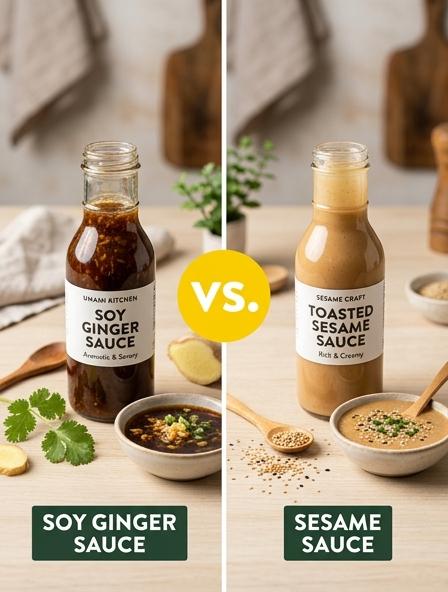
When comparing soy ginger and sesame sauces, the primary difference lies in their caloric density and macronutrient distribution. Soy ginger sauce is typically a low-calorie, fat-free option composed of fermented soy, aromatics, and vinegar. While light on calories, it is often high in sodium. Conversely, sesame sauce is nutritionally dense, providing healthy monounsaturated fats from tahini or toasted sesame oil, which significantly increases the calorie count per serving.
| Nutritional Factor | Soy Ginger Sauce | Sesame Sauce |
|---|---|---|
| Caloric Density | Low (10-30 kcal/tbsp) | High (45-90 kcal/tbsp) |
| Primary Fat Source | None | Sesame seeds/oil |
Health-conscious diners often choose a soy ginger splash to keep a sashimi salad light and refreshing, while those craving a rich, comforting mouthfeel prefer drizzling a thick sesame dressing over chilled soba noodles.
Flavor Profiles and Palate Impact
The choice between soy ginger and sesame sauce often depends on whether you seek a sharp, refreshing bite or a rich, comforting finish. Soy ginger sauce is characterized by its thin consistency and high acidity, delivering a piquant zing that cleanses the palate. Conversely, sesame sauce offers a dense, velvety texture defined by earthy, toasted notes and a subtle sweetness.
- Soy Ginger: High in umami with a spicy, aromatic kick that cuts through fats.
- Sesame Sauce: Deeply nutty and savory, providing a lingering coat on the tongue.
While the ginger-based option highlights brightness and saltiness, the sesame variant focuses on depth and body. You might reach for the zesty soy ginger to elevate a delicate piece of seared tuna, whereas the creamy richness of sesame sauce is what you crave when tossing a hearty bowl of cold soba noodles.
Heat Stability for Sautéing and Stir Frying
Choosing between soy ginger and sesame sauce for high-heat cooking depends largely on their smoke points and ingredient composition. Soy ginger sauce is typically more resilient in a hot wok; its base of soy sauce and aromatics withstands high temperatures, allowing sugars to caramelize into a savory glaze without losing flavor integrity.
- Soy Ginger: Best for high-heat deglazing and searing.
- Sesame Sauce: Prone to bitterness if the toasted oil or seeds overheat.
In contrast, sesame sauces-especially those containing creamy tahini or heavy amounts of toasted sesame oil-are more heat-sensitive. Excessive heat can cause the oils to scorch or the emulsion to break, resulting in a gritty texture and a burnt aftertaste. For the best culinary results, sesame-heavy components are often added at the very end of the cooking process.
You can achieve a professional-grade stir-fry by searing your protein in soy ginger sauce first, then adding a splash of sesame sauce once the heat is turned off for a fragrant, nutty finish.
Impact on Meat Tenderness and Texture
Soy ginger and sesame sauces influence meat texture through distinct chemical interactions. Soy ginger sauce acts as a potent tenderizer; fresh ginger contains zingibain, a proteolytic enzyme that actively breaks down protein fibers and connective tissues. Additionally, the sodium in soy sauce helps the meat retain moisture through a light brining effect.
In contrast, sesame sauce relies on high fat content to improve mouthfeel. It creates a lubricating barrier that protects meat from drying out, though it lacks the enzymatic power to soften tough fibers internally.
| Sauce Base | Primary Texture Benefit |
|---|---|
| Soy Ginger | Enzymatic protein breakdown |
| Sesame | Surface moisture retention |
You might prefer using a soy ginger marinade for overnight soaking of flank steak to ensure every bite is tender, whereas a thick sesame sauce is the perfect finish for flash-fried beef strips to maintain a succulent, velvety coating.
Viscosity and Coating Performance on Vegetables
The physical properties of a sauce determine how it interacts with the texture of greens and root vegetables. Soy ginger sauce is characterized by its low viscosity and watery consistency. This allows it to act as a light marinade that penetrates porous vegetables or pools at the bottom of a bowl for dipping.
Conversely, sesame sauce is typically an emulsified, high-viscosity dressing. Its thick, creamy base provides superior surface adhesion, ensuring the flavor stays on the vegetable rather than sliding off.
- Soy Ginger: Translucent, thin, and ideal for quick-absorbing stir-fries.
- Sesame Sauce: Opaque, rich, and designed for full-coverage coating.
You will likely prefer the heavy cling of a sesame sauce when dressing steamed broccoli or cold noodle salads to ensure every bite delivers a consistent, nutty richness.
Sodium and Sugar Content for Daily Planning
Analyzing the nutritional profiles of soy ginger and sesame sauces is essential for precise meal prep and dietary tracking. These condiments differ significantly in how they contribute to your daily sodium and sugar limits.
- Soy Ginger Sauce: Typically features a high sodium concentration due to its fermented soy base, though it is often lower in calories and fats.
- Sesame Sauce: Usually contains higher sugar content to balance the natural bitterness of tahini or toasted seeds, alongside more heart-healthy fats.
When planning your intake, consider that soy-based glazes can quickly exceed daily salt recommendations, while creamy sesame dressings may add unexpected sugars. Balancing these flavors requires a focus on portion control to maintain a healthy cardiovascular and metabolic baseline without sacrificing depth of flavor.
You might choose the sharp soy ginger for a low-calorie vegetable stir-fry during a busy work week or opt for the decadent sesame sauce to provide a rich, satisfying finish to a cold noodle salad on a warm afternoon.
Shelf Life and Refrigeration Stability
The longevity of these popular condiments depends primarily on their base ingredients and preservative properties. Soy ginger sauce, characterized by high acidity from vinegar and high sodium from soy sauce, typically offers a more stable shelf life, remaining fresh for up to three months when refrigerated.
- Soy Ginger Sauce: Highly stable; maintains its thin consistency even when chilled.
- Sesame Sauce: Contains healthy fats and oils that can undergo oxidation; best consumed within four to six weeks.
While soy ginger remains fluid in the cold, sesame-based sauces often thicken or undergo phase separation in the refrigerator, requiring a vigorous shake or a few minutes at room temperature to restore their creamy texture. You might choose the shelf-stable soy ginger for occasional weeknight stir-fries, while opting for the richer sesame sauce when you need a decadent, velvety topping for your daily meal-prep grain bowls.
Aromatic Strength and Sensory Influence
The sensory profiles of soy ginger and sesame sauces offer contrasting experiences in aromatic intensity and palate impact. Soy ginger sauce is characterized by its sharp, volatile top notes; the pungent ginger provides a zesty, refreshing aroma that cuts through heavy fats and acts as an immediate palate cleanser.
- Soy Ginger: Features sharp, spicy, and uplifting aromatic peaks.
- Sesame Sauce: Delivers rich, earthy, and lingering nutty depth.
In contrast, sesame sauce provides a dense, toasted aroma that is more comforting than stimulating. Its high oil content creates a heavy sensory coating, offering a mellow, savory finish that grounds the dish. While soy ginger awakens the senses with bright acidity, sesame sauce provides a velvety warmth that rounds out harsher ingredients.
Home cooks often reach for a vibrant soy ginger glaze to brighten delicate steamed white fish, whereas noodle lovers prefer a thick sesame drizzle to add a luxurious, nutty finish to chilled ramen bowls.
Physical Consistency in Cold Dish Applications
The texture of a sauce determines its functionality when paired with chilled ingredients. Soy ginger sauce is characterized by a thin, watery consistency. Its low viscosity allows it to penetrate porous foods or pool at the base of a dish, providing a sharp, refreshing bite without altering the ingredients' natural structure.
Conversely, sesame sauce is a thick, stable emulsion. It possesses a high "cling factor," coating every surface it touches with a dense, opaque layer. This difference in fluidity is summarized below:
| Sauce Type | Texture Profile | Ingredient Interaction |
|---|---|---|
| Soy Ginger | Light & Aqueous | Infuses and Drenches |
| Sesame | Rich & Viscous | Coats and Adheres |
You might choose the soy ginger's light fluidity for a refreshing seaweed salad, whereas the heavy, velvet-like grip of sesame sauce is indispensable for binding together a hearty plate of cold noodles.
Allergen Information and Dietary Safety
Navigating the nutritional profiles of soy ginger and sesame sauces is essential for those with food sensitivities. While both enhance Asian-inspired dishes, their core ingredients present distinct allergen risks. Soy ginger sauce primarily relies on fermented soy and wheat, posing challenges for those with gluten intolerance or celiac disease. Conversely, sesame sauce features high concentrations of sesame seeds-a major allergen that can trigger severe reactions in sensitive individuals.
| Sauce Type | Primary Allergens | Dietary Consideration |
|---|---|---|
| Soy Ginger | Soy, Gluten (Wheat) | Requires Tamari for gluten-free diets. |
| Sesame | Sesame Seeds, Soy | High seed protein; check for added stabilizers. |
Imagine hosting a dinner party where you swap traditional soy sauce for a ginger-infused tamari glaze to ensure every guest, including those with gluten sensitivities, can enjoy the meal safely.
Soy Ginger Sauce vs Sesame Sauce source and external links
- This versatile condiment combines the salty depth of soy sauce with the sharp, aromatic heat of fresh ginger. Soy Ginger Sauce
- Known for its rich, creamy, and nutty flavor profile, this sauce often features toasted sesame oil or paste to complement grilled meats and vegetables. Sesame Sauce