
Soy Ginger Sauce vs Oyster Sauce : The Differences in Nutritional Profiles, Culinary Performance, and Health Impact.
Nutritional Composition and Long Term Health Effects
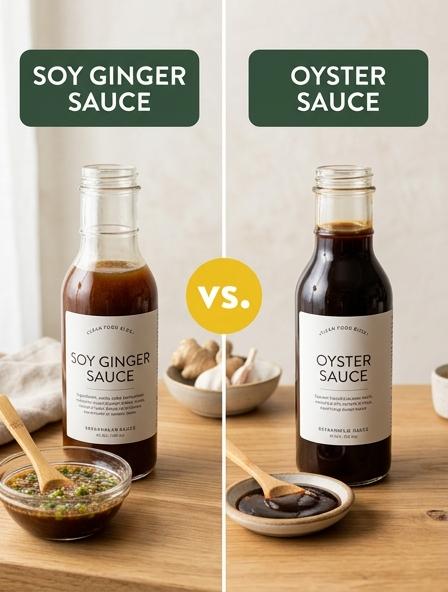
Analyzing the nutritional profiles of soy ginger sauce versus oyster sauce reveals significant differences in caloric density and bioactive compounds. Soy ginger sauce typically features a base of fermented soy and fresh ginger, providing anti-inflammatory gingerols and a lighter caloric footprint. Conversely, oyster sauce is a viscous reduction of oyster extracts, sugar, and cornstarch, resulting in a higher carbohydrate and calorie count.
- Sodium Levels: Both sauces are exceptionally high in salt, which can contribute to hypertension with long-term overconsumption.
- Additives: Oyster sauce often contains MSG and caramel coloring, whereas soy ginger sauces may contain fewer synthetic stabilizers.
- Antioxidants: The inclusion of ginger offers digestive benefits and oxidative stress reduction not found in shellfish-based condiments.
While both provide intense umami, soy ginger is often viewed as the "cleaner" cardiovascular choice due to its lower sugar content and thermogenic properties. You might choose a zesty soy ginger glaze for your grilled salmon to achieve a light, heart-healthy finish that emphasizes fresh, aromatic flavors.
Texture Differences and Influence on Dish Consistency
The structural contrast between soy ginger sauce and oyster sauce significantly alters the final mouthfeel and appearance of a meal. Soy ginger sauce is primarily a thin, watery liquid that penetrates proteins and grains quickly without changing the dish's overall viscosity.
In contrast, oyster sauce is dense, syrupy, and highly viscous. It often contains thickening agents like cornstarch, which allow it to cling to ingredients rather than soaking through them. This choice determines whether a sauce acts as a light seasoning or a heavy binding agent.
| Attribute | Soy Ginger Sauce | Oyster Sauce |
|---|---|---|
| Viscosity | Low (Runny) | High (Thick) |
| Finish | Clean/Light | Glossy/Coated |
Home chefs typically reach for soy ginger when preparing a light, refreshing poke bowl, while they prefer oyster sauce to achieve that classic, velvety glaze on a beef and broccoli stir-fry.
Sodium Analysis and Cardiovascular Health Considerations
When evaluating soy ginger sauce versus oyster sauce, sodium density is the primary concern for cardiovascular wellness. Both condiments are traditionally high-sodium products, which can contribute to hypertension and fluid retention if consumed in excess. Oyster sauce typically features a denser concentration of salt and may include MSG, whereas soy ginger sauce relies on a soy base but integrates fresh ginger, which offers minor anti-inflammatory benefits.
- Oyster Sauce: Often contains upwards of 500mg of sodium per tablespoon.
- Soy Ginger Sauce: Generally ranges between 300mg and 450mg depending on the soy-to-aromatic ratio.
For those managing heart health, many home cooks prefer using a diluted soy ginger blend for their weeknight stir-fry to achieve a bright, aromatic flavor profile while significantly reducing the total salt intake compared to a thick, heavy oyster-based glaze.
Aromatic Profiles versus Concentrated Savory Notes
The distinction between soy ginger sauce and oyster sauce lies in their structural depth and aromatic impact. Soy ginger sauce focuses on a bright, aromatic profile; the sharp, peppery notes of ginger cut through the saltiness of the soy, creating a thin, refreshing liquid. In contrast, oyster sauce is prized for its concentrated savory notes and thick, syrupy texture, offering a deep umami punch derived from caramelized oyster extracts.
- Soy Ginger: Infused with fresh aromatics, light consistency, and high acidity.
- Oyster Sauce: Rich, earthy, and sweet-salty with a glossy finish.
While soy ginger clarifies and lifts the natural flavors of delicate proteins, oyster sauce acts as a heavy anchor, binding ingredients together with a robust, velvety coating. You might reach for the soy ginger sauce when preparing a light dipping tray for dumplings, but choose the oyster sauce when you want to achieve that classic, dark glaze on a hearty beef and broccoli stir-fry.
Impact on Visual Shine and Aesthetic Presentation
The visual appeal of a dish often depends on a sauce's ability to reflect light and coat ingredients. Oyster sauce is the gold standard for achieving a "lacquered" look. Due to its high viscosity and sugar content, it creates a thick, opaque glaze that clings to proteins and vegetables, resulting in a professional, mirror-like shine. In contrast, soy ginger sauce is significantly thinner and more translucent. It provides a delicate golden tint rather than a heavy coating, allowing the natural textures and colors of the ingredients to remain the focal point.
- Oyster Sauce: Delivers a rich, mahogany-colored gloss and high-surface tension coating.
- Soy Ginger Sauce: Offers a light, watery sheen that enhances without masking the food's vibrance.
You will likely prefer the bold, syrupy glaze of oyster sauce for a classic restaurant-style beef and broccoli, whereas the subtle, clean finish of soy ginger is perfect for a light, colorful spring vegetable stir-fry.
Food Sensitivity Profiles and Alternative Dietary Options
Navigating food sensitivities is crucial when choosing between these two savory condiments. While both typically contain soy and gluten, their allergen profiles diverge significantly regarding animal products and shellfish content.
- Shellfish Allergies: Oyster sauce is strictly off-limits for those with mollusk sensitivities, whereas soy ginger sauce is safe.
- Vegan/Vegetarian Diets: Soy ginger sauce is naturally plant-based. Traditional oyster sauce relies on seafood extracts, necessitating a mushroom-based "vegetarian stir-fry sauce" substitute.
- Gluten Intolerance: Both sauces often use wheat-based soy sauce. Opt for Tamari or coconut aminos to achieve a similar depth without gluten.
For those managing sodium intake, coconut aminos offer a soy-free, lower-salt alternative that mimics the umami of both sauces.
Picture a busy home cook whisking together a last-minute marinade; they swap traditional oyster sauce for a mushroom-based alternative so their guest with a shellfish allergy can safely enjoy the family's favorite beef and broccoli stir-fry.
Performance and Flavor Stability at High Temperatures
Heat application fundamentally changes the profile of these condiments. Soy ginger sauce, rich in fresh aromatics, is prone to losing its zesty top notes if scorched. Conversely, oyster sauce is engineered for the high-intensity heat of wok cooking, where its sugar and protein content promotes complex caramelization.
- Soy Ginger Sauce: Volatile ginger oils dissipate quickly; best for low-to-medium heat or finishing to preserve the sharp, spicy bite.
- Oyster Sauce: Contains thickeners and stabilizers that withstand extreme temperatures, creating a resilient, savory glaze that does not break down.
The choice often depends on the desired texture: soy ginger provides a thin, penetrative seasoning, whereas oyster sauce creates a robust coating. Professional chefs prefer using oyster sauce for a rapid beef and broccoli stir-fry, where the high flame transforms the sauce into a glossy, dark lacquer that seals in the meat's juices.
Effect on Meat Browning and Surface Glazing
Soy ginger sauce and oyster sauce produce distinct visual and textural results when exposed to high heat. Soy ginger sauce is high in moisture, focusing on deep flavor penetration. While its amino acids aid the Maillard reaction, the thin consistency often requires longer reduction times to achieve a noticeable sheen. Conversely, oyster sauce is a viscous powerhouse for surface glazing. Its high sugar and cornstarch content allows it to cling to proteins, creating an instant, mirror-like finish and a rich, caramelized crust.
| Characteristic | Soy Ginger Sauce | Oyster Sauce |
|---|---|---|
| Glaze Texture | Light & Subtle | Thick & Syrupy |
| Browning Action | Slow/Evaporative | Fast/Caramelized |
You may find that a soy ginger marinade works wonders for a subtle sear on salmon, but you will likely reach for the oyster sauce when you want that iconic, sticky-sweet glaze on a high-heat beef stir-fry.
Caloric Density and Daily Energy Contributions
When analyzing the nutritional profiles of soy ginger sauce versus oyster sauce, caloric density serves as a primary differentiator. Soy ginger sauce is typically a thin, vinegar-based condiment with minimal fats, resulting in a lower energy yield per tablespoon. Conversely, oyster sauce is characterized by its viscous texture, achieved through the addition of sugar and thickening agents like cornstarch, which increases its total carbohydrate and calorie content.
- Soy Ginger Sauce: Generally ranges from 10 to 15 calories per tablespoon.
- Oyster Sauce: Typically contains 20 to 30 calories per tablespoon due to higher sugar levels.
While neither sauce contributes a massive portion of daily energy requirements in standard servings, those managing caloric intake often prefer the lightness of soy ginger. Health-conscious foodies frequently opt for a soy ginger drizzle to brighten raw tuna bowls, whereas traditional chefs rely on the dense richness of oyster sauce to create a glossy, savory coating for classic beef and broccoli stir-fries.
Storage Requirements and Shelf Life Stability
Understanding the preservation needs of soy ginger sauce versus oyster sauce ensures both flavor integrity and food safety. While both are commercially shelf-stable when unopened, their ingredients dictate different degradation rates once the seal is broken.
- Soy Ginger Sauce: Often contains fresh aromatics or vinegar; it should be refrigerated after opening and typically lasts 2–4 months before the ginger notes dull.
- Oyster Sauce: Highly concentrated and salty, yet prone to mold due to oyster extracts; it must be refrigerated and generally remains peak-quality for 6–12 months.
Temperature consistency is key for both condiments. Unopened bottles can sit in a cool, dark pantry for up to two years. However, once exposed to air, soy ginger sauce is more volatile due to its thinner consistency and fresh components, whereas oyster sauce's thickness helps it resist rapid oxidation.
You will likely appreciate the longevity of oyster sauce when you realize that even after months in the fridge, it still provides a rich, velvety glaze for your spontaneous Tuesday night broccoli stir-fry.
Soy Ginger Sauce vs Oyster Sauce source and external links
- Soy ginger sauce is a versatile and aromatic condiment typically used as a marinade or dipping sauce to add a savory zing to meats and vegetables. Soy Ginger Sauce
- Oyster sauce is a thick, dark brown condiment made from oyster extracts that provides a rich umami flavor to many traditional stir-fry dishes. Oyster Sauce