
Soy Cream vs Almond Milk : Comparing Cooking Stability, Nutritional Profile, and Culinary Performance Differences.
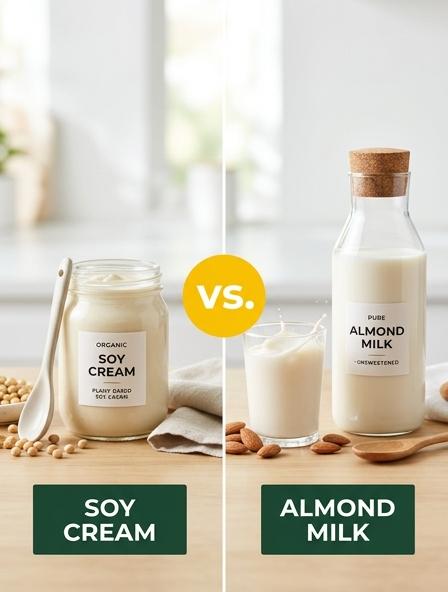
Comparison of Heat Stability in Savory Sauces
When formulating savory sauces, heat stability is the most critical differentiator between soy cream and almond milk. Soy cream boasts a higher concentration of proteins and fats, which act as natural stabilizers. This allows the liquid to maintain a smooth, emulsified texture even when subjected to high temperatures or long simmering periods. In contrast, almond milk has a much lower protein density and a higher water content, making it prone to "breaking" or curdling if it reaches a boil or interacts with acidic ingredients like lemon or white wine.
- Soy Cream: Remains thick and stable in high-heat reductions, roux-based gravies, and stews.
- Almond Milk: Best suited for low-heat applications or finishing a dish just before serving to avoid separation.
Home chefs love using soy cream for a rich, velvety mushroom stroganoff that maintains its silky consistency from the stovetop to the dinner table.
Nutritional Profile Differences for Family Health
When evaluating soy cream versus almond milk for family wellness, the choice often hinges on protein requirements and caloric density. Soy cream is significantly more robust, offering a high-protein profile and healthy fats that provide satiety and essential amino acids for growing children. In contrast, almond milk is a lighter, lower-calorie alternative that is naturally high in Vitamin E but typically lower in protein.
- Soy Cream: Best for protein intake, containing isoflavones and a creamy texture ideal for cooking.
- Almond Milk: Best for weight management, offering a subtle nutty flavor and low-fat content.
While both are cholesterol-free, soy provides a more complete nutrient replacement for dairy in hearty recipes. You might choose the thick consistency of soy cream to enrich a family-style mushroom stroganoff, whereas almond milk serves as the perfect low-calorie base for your toddler's daily breakfast cereal.
Performance in High Temperature Soup Reductions
When reducing liquid bases for savory dishes, the chemical composition of your dairy alternative dictates the final texture. Soy cream is the superior choice for high-temperature applications due to its high protein and lecithin content, which act as natural emulsifiers. It resists curdling and maintains a stable, velvety body even during prolonged boiling.
- Soy Cream: High fat-to-protein ratio allows for a glossy, thick reduction without separation.
- Almond Milk: High water content and low protein stability often lead to a thin, watery consistency or unappealing graininess when boiled.
Almond milk requires additional starches to prevent breaking, whereas soy cream naturally mimics the behavior of heavy bovine cream. Professional chefs prefer soy cream when crafting a slow-simmered wild mushroom bisque to achieve that signature, luxurious mouthfeel that coats the back of a spoon perfectly.
Flavor Neutrality in Sweet and Savory Baking
Selecting the right plant-based substitute depends heavily on how its base notes interact with your ingredients. Soy cream is widely preferred by bakers for its superior flavor neutrality and high protein content, which closely mimics the functional properties of dairy. Unlike nut-based alternatives, soy cream provides a clean canvas that does not compete with delicate aromatics.
In contrast, almond milk carries a distinguishable nutty profile and a natural sweetness. While this works well in certain desserts, it can be problematic in balanced recipes. Consider these differences:
- Soy Cream: Highly neutral; ideal for savory roux, quiches, and thick custards.
- Almond Milk: Noticeable nuttiness; best suited for sweet muffins, pancakes, or spiced cakes.
Many home cooks specifically choose soy cream when preparing a garlic-infused white sauce to ensure the pungent, savory herbs aren't overshadowed by the distinct taste of toasted almonds.
Protein Density and Satiety in Daily Meals
When comparing soy cream to almond milk, the primary nutritional distinction lies in protein density and its impact on satiety. Soy cream is a concentrated source of plant-based protein, containing all nine essential amino acids necessary for muscle repair and long-term fullness. Conversely, almond milk is significantly lower in protein, often containing only one gram per serving, which may leave you feeling hungry shortly after consumption.
- Soy Cream: High protein and healthy fats create a rich texture that stabilizes blood sugar.
- Almond Milk: Low in calories and protein, making it ideal for hydration rather than meal replacement.
Choosing the right medium depends on your hunger levels and caloric needs. Many people love adding a thick splash of soy cream to their morning oats to power through a busy work block, while others prefer almond milk in a light fruit smoothie for a refreshing, low-calorie lift.
Stability and Curdling Under Acidic Conditions
The chemical stability of plant-based liquids varies significantly when introduced to acidic environments, such as coffee or citrus-based recipes. Soy cream contains high levels of vegetable protein that are sensitive to pH changes. When the acidity increases, these proteins denature and clump together, a process commonly known as curdling. Almond milk, containing less protein and more water, is generally less prone to thick coagulation but often suffers from "feathering," where the liquid separates into thin, watery layers.
- Soy Cream: Offers a rich, heavy texture but requires careful temperature management to avoid curdling in acidic coffee.
- Almond Milk: More resistant to total curdling due to lower protein density, though it may lose its creamy homogeneity.
You might prefer using soy cream for a decadent, thick consistency in low-acid dark roasts, while opting for almond milk when you need a lighter, more stable addition to a sharp fruit tea or acidic cold brew.
Caloric Impact on Weight Conscious Cooking
Choosing between soy cream and almond milk requires balancing flavor intensity against caloric density. Soy cream is a concentrated plant-based fat source, offering a luxurious consistency that mimics traditional heavy cream. While it contains more calories, its richness can enhance satiety, potentially reducing overall food intake. Almond milk, however, is the clear winner for strict calorie counting, as its high water content makes it incredibly light and versatile for high-volume recipes.
- Soy Cream: High-fat, high-calorie, ideal for rich "velouté" textures.
- Almond Milk: Low-fat, low-calorie, perfect for calorie-restricted diets.
Home cooks often prefer using a splash of almond milk in their overnight oats to keep the meal light, allowing them to save those extra calories for nutrient-dense toppings like fresh berries and flaxseeds.
Texture and Viscosity in Homemade Puddings
Achieving the perfect mouthfeel in plant-based desserts depends heavily on the base liquid's fat and protein structure. Soy cream offers a dense, velvety viscosity similar to heavy dairy, whereas almond milk provides a much thinner, lighter finish. Because soy cream contains natural emulsifiers and higher protein levels, it binds more effectively with starches like cornstarch or agar-agar, creating a stable, spoonable consistency.
- Soy Cream: High viscosity, buttery mouthfeel, and superior structural stability.
- Almond Milk: Low viscosity, clean finish, but requires additional thickeners to prevent a watery set.
Home chefs often prefer using soy cream when crafting a traditional vanilla bean custard, as it provides that signature heavy-bottomed richness that clings perfectly to the back of a spoon.
Visual Presentation and Color in Finished Dishes
The visual impact of a dish often depends on the opacity and texture of the liquid base used. Soy cream offers a dense, ivory-toned opacity that closely mimics traditional heavy dairy, providing a rich and luxurious sheen. In contrast, almond milk is naturally more translucent and thin, often resulting in a more diluted or slightly grayish appearance when mixed into darker liquids.
- Soy Cream: Delivers a consistent, bright white finish that holds its structure in hot applications.
- Almond Milk: Tends to look watery and may separate, providing a less uniform color in high-heat recipes.
For those crafting a gourmet mushroom bisque, the velvety, opaque swirl of soy cream creates that professional-grade restaurant look that almond milk simply cannot replicate.
Shelf Life and Storage Practicality for the Home Kitchen
Managing dairy alternatives requires understanding their stability to minimize food waste. Soy cream, due to its higher protein and fat concentration, generally stays fresh for 5 to 7 days after opening. In contrast, almond milk's high water content typically allows it to remain palatable for 7 to 10 days when kept at a consistent refrigerator temperature. Both products are widely available in UHT (Ultra-High Temperature) packaging, allowing for long-term pantry storage until the seal is broken.
- Soy Cream: Denser consistency; best used quickly to avoid separation.
- Almond Milk: Thinner profile; offers a slightly longer window for daily use.
- Commonality: Both must be refrigerated immediately after opening to prevent bacterial growth.
Busy home cooks often prefer keeping a few shelf-stable cartons of almond milk in the pantry, ensuring they always have a fresh base ready for a spontaneous morning smoothie or a bowl of cereal.
Soy Cream vs Almond Milk source and external links
- Soy cream is a versatile, plant-based dairy substitute used in various recipes to add a creamy consistency, and you can learn more about soy cream online.
- Almond milk is a nutritious beverage produced by blending almonds with water to create a mild, nutty flavor profile, which you can explore further by reading about almond milk.