
Sichuan Peppercorns vs Red Pepper Flakes: Which is Best for Stir-Fry Flavor, Heat Intensity, and Numbing Sensations?
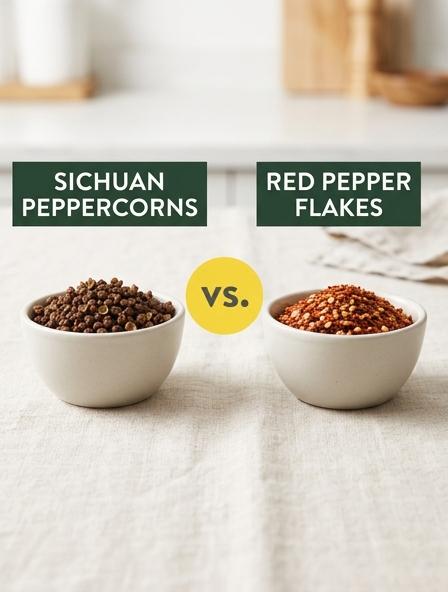
Sichuan Peppercorns vs Red Pepper Flakes Flavor Profile Comparison
Understanding the distinction between Sichuan peppercorns and red pepper flakes is essential for balancing spice and sensation. While both enhance Asian and fusion cuisine, they interact with taste receptors in entirely different ways.
| Characteristic | Sichuan Peppercorns | Red Pepper Flakes |
|---|---|---|
| Sensory Effect | Numbing, tingling (Mala) | Sharp, stinging heat |
| Primary Notes | Citrus, floral, woodsy | Earthy, peppery, smoky |
| Active Compound | Hydroxy-alpha-sanshool | Capsaicin |
Sichuan peppercorns provide a "buzzing" feeling that alters how you perceive other flavors, whereas red pepper flakes provide the traditional "burn" associated with dried chilies. You may prefer the citrusy tingle of Sichuan peppercorns when crafting an authentic Kung Pao chicken, whereas red pepper flakes are your best friend for adding a reliable punch of heat to a classic pepperoni pizza.
Nutritional Profiles of Sichuan Peppercorns and Red Pepper Flakes
While both spices offer vibrant flavors, their nutritional compositions are quite distinct. Sichuan peppercorns, harvested from the Zanthoxylum genus, are dense in manganese, antioxidants, and vitamin A. Their standout feature is hydroxy-alpha-sanshool, which provides a numbing effect that can aid digestion and circulation. Conversely, red pepper flakes are derived from various dried Capsicum annuum peppers. These flakes are rich in capsaicin, a thermogenic compound known for boosting metabolism, alongside high levels of vitamins C and B6.
| Feature | Sichuan Peppercorns | Red Pepper Flakes |
|---|---|---|
| Key Compound | Hydroxy-alpha-sanshool | Capsaicin |
| Main Benefit | Digestive Support | Metabolic Boost |
Health-conscious diners often sprinkle red pepper flakes over kale salads for a spicy vitamin boost, while spice explorers enjoy the tingling sensation of Sichuan peppercorns in a classic Szechuan hot pot for a unique sensory experience.
Mouthfeel and Sensation Differences in Home Cooking
Understanding the sensory profiles of Sichuan peppercorns and red pepper flakes is essential for balancing flavors in home cooking. While both add intensity, they interact with the nervous system in fundamentally different ways.
- Sichuan Peppercorns: These create a "numbing" or tingling sensation known as ma. They contain hydroxy-alpha-sanshool, which causes the lips and tongue to feel a buzzing vibration, often accompanied by citrusy overtones.
- Red Pepper Flakes: These provide a sharp, direct heat known as la. Rich in capsaicin, they trigger pain receptors to produce a burning sensation that lingers and builds throughout the meal.
While red pepper flakes provide the fiery kick many crave, Sichuan peppercorns offer a multidimensional, electric cooling effect that prevents the heat from becoming overwhelming. Many home chefs love finishing a hot bowl of Dan Dan noodles with a sprinkle of both, creating a perfect harmony where the sharp burn of the flakes is balanced by the addictive, tongue-tingling buzz of the peppercorns.
Cooking Performance in Stir Fries and Infused Oils
Sichuan peppercorns and red pepper flakes deliver fundamentally different sensory experiences when exposed to heat. Peppercorns are prized for their numbing sensation (mala) and floral aroma, whereas red pepper flakes provide direct, sharp capsaicin heat and vibrant color.
- Infused Oils: Sichuan peppercorns require gentle tempering in oil to extract their citrusy essential oils without becoming bitter. Red pepper flakes can withstand higher temperatures and are typically used to create "chili crisp" or spicy base oils.
- Stir Fries: Peppercorns are often added early to flavor the cooking fat, while flakes are added later to prevent scorching and preserve their fiery punch.
The synergy between these two ingredients defines authentic Szechuan cuisine, balancing tingly aromatics with pungent spice. You will love blooming Sichuan peppercorns in your wok for a complex Mapo Tofu, while relying on red pepper flakes to add an instant, searing kick to a late-night vegetable stir-fry.
Health and Digestive Impacts of Sichuan Peppercorns and Red Pepper Flakes
Both spices offer distinct physiological benefits and digestive reactions. Sichuan peppercorns contain hydroxy-alpha-sanshool, which creates a numbing sensation that can stimulate digestive enzymes and help alleviate bloating. In contrast, red pepper flakes are high in capsaicin, a compound known to boost metabolism and improve heart health, though it may cause gastric irritation in sensitive individuals.
- Sichuan Peppercorns: Known for anti-inflammatory properties and aiding gut motility through unique "mala" stimulation.
- Red Pepper Flakes: Packed with vitamins A and C, providing a thermogenic effect that supports calorie burning.
While both ingredients promote circulation, their impact on the stomach depends on your personal tolerance for heat versus tingling sensations. You might reach for the numbing Sichuan variety to soothe a heavy meal during a traditional hot pot night, or sprinkle red flakes on your pasta when you want a sharp, metabolism-boosting kick.
Visual and Texture Variations in Finished Dishes
The visual impact and mouthfeel of a dish change dramatically depending on whether you use Sichuan peppercorns or red pepper flakes. Sichuan peppercorns typically appear as small, reddish-brown husks. When ground, they vanish into dark sauces, but if left whole, they provide a sudden, crunchy texture. Red pepper flakes, however, offer a vibrant aesthetic characterized by bright red skin fragments and contrasting yellow seeds that remain visible after cooking.
- Sichuan Peppercorns: Earthy, muted tones that provide a "hidden" heat and a tingly, numbing sensation.
- Red Pepper Flakes: Bold, rustic appearance with a persistent, papery texture that clings to ingredients.
Home cooks often prefer swirling red pepper flakes into a transparent garlic-oil pasta to create an appetizing, colorful contrast that signals immediate heat to the diner.
Heat Intensity and Spice Tolerance for Families
Understanding the distinction between "numbness" and "heat" is essential when cooking for diverse spice tolerances. Red pepper flakes contain capsaicin, which triggers a sharp, stinging burn on the tongue. In contrast, Sichuan peppercorns produce a tingling, vibrating sensation known as "mala" caused by hydroxy-alpha-sanshool. For families with children or sensitive palates, Sichuan peppercorns offer a complex flavor profile without the aggressive lingering bite of traditional chilies.
- Red Pepper Flakes: High pungency that builds quickly; best for those who enjoy a true Scoville burn.
- Sichuan Peppercorns: Low heat but high sensory impact; creates a cooling, citrusy buzz rather than pain.
You can introduce these flavors gradually by using Sichuan peppercorns in a mild beef stir-fry to give the dish a "fizzy" texture that kids often find more exciting than the sharp sting of red pepper flakes.
Chemical Compounds and Their Effects on Taste Buds
The sensory experiences of Sichuan peppercorns and red pepper flakes are driven by vastly different chemical interactions. Sichuan peppercorns contain hydroxy-alpha-sanshool, a molecule that triggers somatosensory neurons to create a vibrating, numbing sensation. Conversely, red pepper flakes are defined by capsaicin, which binds to TRPV1 receptors, signaling thermal heat and pungency to the brain.
| Spice Type | Primary Compound | Sensory Effect |
|---|---|---|
| Sichuan Peppercorns | Hydroxy-alpha-sanshool | Tingling (Paresthesia) |
| Red Pepper Flakes | Capsaicin | Heat (Thermal Pain) |
You can achieve the authentic "Mala" flavor profile by layering the electric, buzzing tingle of Sichuan peppercorns over the slow-building, fiery warmth of red pepper flakes in a classic Kung Pao chicken.
Pantry Longevity and Freshness Retention Comparison
The shelf life of these spices depends heavily on their physical form. Whole Sichuan peppercorns are essentially dried husks that protect volatile oils, allowing them to retain their characteristic numbing potency and citrus aroma for up to a year. In contrast, red pepper flakes are crushed, increasing their surface area and exposing them to oxygen, which leads to a faster decline in heat and color.
- Sichuan Peppercorns: Best kept whole; maintains peak flavor for 12 months.
- Red Pepper Flakes: High surface area leads to oil dissipation; best used within 6 to 9 months.
While red pepper flakes provide a reliable, long-term pantry heat, they eventually lose their vibrant red hue and become dull. Enthusiasts love toasting whole Sichuan peppercorns in a dry pan just before grinding to revive their tingly punch for a fresh batch of Mapo Tofu.
Aromatic Impact on the Kitchen Environment
Choosing between Sichuan peppercorns and red pepper flakes fundamentally alters your kitchen's atmosphere. Sichuan peppercorns are prized for their floral, citrus-like essence; when heated, they release a complex, woody perfume that is deeply aromatic without being physically aggressive. Conversely, red pepper flakes release concentrated capsaicin when toasted, often creating a sharp, pungent air that can induce coughing or eye irritation if the heat is too high.
- Sichuan Peppercorns: Produce a tingling, lemony fragrance that lingers pleasantly.
- Red Pepper Flakes: Emit a direct, smoky, and stinging heat that cuts through the air.
The resulting scent profile determines the "mood" of your cooking space. You might choose to bloom Sichuan peppercorns in oil when you want to fill your home with a bright, citrusy perfume that avoids the stinging, sneeze-inducing clouds typically produced by dry-roasting red pepper flakes.
Sichuan Peppercorns vs Red Pepper Flakes source and external links
- Sichuan peppercorns are a unique spice known for creating a distinct numbing sensation and citrusy aroma in authentic Chinese cuisine. Sichuan peppercorns
- Red pepper flakes are a versatile condiment made from dried and crushed chili peppers that add a consistent heat to various dishes. Red pepper flakes