
Sharp Cheddar vs. Sharp Cheddar: Comparing Flavor, Melting, and Nutrition Differences
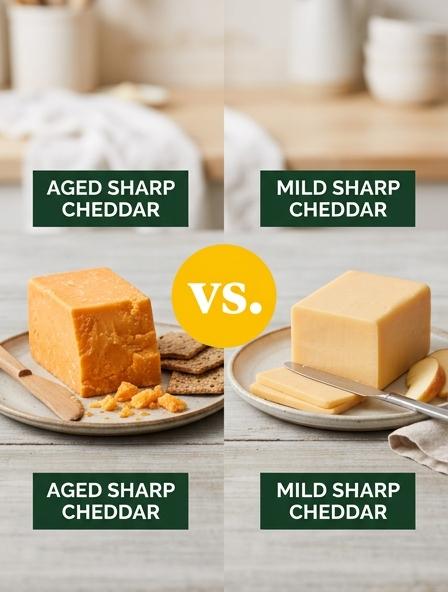
Flavor Intensity and Natural Aging Variations
The primary distinction between sharp and extra sharp cheddar lies in the duration of the natural aging process. As cheddar matures, enzymes break down milk proteins and fats, resulting in a more complex, acidic, and pungent profile. While standard sharp varieties typically age for six to nine months, extra sharp options often exceed twelve months of maturation, developing signature lactate crystals and a drier, more brittle texture.
- Sharp Cheddar: Aged 6–9 months; offers a smooth meltability with a bright, tangy finish.
- Extra Sharp Cheddar: Aged 12+ months; features a bold, lingering bite and a crumbly consistency.
This chemical transformation ensures that the longer the cheese sits in a temperature-controlled environment, the more intense the savory notes become. You might reach for the smooth melt of sharp cheddar for a classic gourmet mac and cheese, while choosing the robust, crystalline bite of extra sharp cheddar to stand up against a bold glass of Cabernet Sauvignon.
Melting Performance in Stovetop Recipes
The chemical composition of sharp cheddar dictates its behavior under heat. As cheddar ages to achieve its signature "sharp" profile, its protein structure breaks down and moisture evaporates. This maturation process creates a complex flavor but presents unique challenges for stovetop melting. Compared to mild versions, aged sharp cheddars are more prone to "oiling off" or becoming grainy if the temperature rises too quickly, as the fat escapes the weakening protein matrix.
- Moisture Content: Lower in aged sharp varieties, requiring gentle heat to prevent clumping.
- Fat Stability: Sharp cheddar needs a stable emulsion, often aided by a roux or low-temperature whisking.
- Texture: Manual grating is essential to avoid the cellulose found in pre-shredded packs, which hinders a smooth melt.
Home cooks love folding freshly shredded sharp cheddar into a warm béchamel sauce, creating a glossy, velvety coating that delivers a punchy tang to a classic stovetop mac and cheese.
Nutritional Profiles and Caloric Density
When comparing Sharp Cheddar to its Extra Sharp counterpart, the nutritional profiles remain remarkably similar because the primary difference lies in aging duration rather than ingredients. Both varieties are dense sources of energy, offering high concentrations of protein and calcium. Because aging reduces moisture content, Extra Sharp Cheddar may be slightly more concentrated, yet the caloric impact per serving is virtually identical.
- Calories: Approximately 110-115 per ounce (28g).
- Protein: Roughly 7g, aiding in muscle maintenance.
- Fats: About 9g, providing a rich, creamy mouthfeel.
- Carbohydrates: Trace amounts, as lactose diminishes during the aging process.
While the macronutrients stay stable, the flavor intensity shifts significantly; many enthusiasts prefer the Extra Sharp variety for a gourmet grilled cheese sandwich where a small amount of cheese delivers a powerful, tangy punch without needing to pile on extra calories.
Texture Consistency in Cold Preparations
When comparing one sharp cheddar versus another for cold applications, the primary differentiator is the moisture-to-protein ratio. Younger sharp varieties provide a semi-hard, elastic consistency that holds its shape well, whereas long-aged versions become increasingly brittle and friable. This structural variation significantly affects how the cheese behaves when sliced, cubed, or shredded for non-heated recipes.
- Slicing: High-moisture sharp cheddar produces clean, flexible slices that do not snap.
- Crumbling: Extra-sharp aged varieties shatter into rustic, flavor-dense shards rather than uniform blocks.
- Grating: Chilled blocks are essential for producing distinct, separate strands that resist clumping in salads.
Understanding these textural nuances ensures your cold appetizers maintain their intended visual appeal and mouthfeel. You might appreciate the way a firm, sharp cheddar provides a clean, snappy bite when paired with chilled grapes on a summer charcuterie board.
Chemical Composition and Heat Sensitivity
The chemical profile of sharp cheddar is dictated by its maturation period. During aging, enzymes break down the protein matrix-primarily casein-into smaller peptides and amino acids. This biochemical transition increases lactic acid concentration and reduces moisture content, resulting in a more brittle structure compared to mild varieties.
These chemical shifts significantly impact heat sensitivity. Because the protein bonds are already weakened by proteolysis, aged sharp cheddar is more susceptible to oil separation and graininess when exposed to high temperatures.
- Casein Breakdown: Leads to a sharper flavor but less elastic melt.
- Calcium Lactate: The source of "crunchy" crystals found in extra-aged blocks.
- Fat-to-Moisture Ratio: Higher fat ratios in aged cheese can lead to "sweating" during heating.
You might prefer a standard sharp cheddar for a smooth, gooey stovetop mac and cheese, while choosing a vintage extra sharp to provide a complex, bold punch of flavor on a gourmet burger.
Sodium Content and Heart Health Impacts
When comparing different varieties of sharp cheddar, sodium content remains a primary concern for cardiovascular wellness. While the aging process intensifies flavor, it often involves salt as a preservative and moisture regulator. High sodium intake is a known contributor to hypertension and increased strain on the heart, making it essential to analyze nutrition labels even when the flavor profiles seem identical.
To manage heart health while enjoying sharp cheddar, consider these factors:
- Portion Size: A standard one-ounce serving usually contains 170mg to 200mg of sodium.
- Aging Intensity: Extra sharp varieties often provide more flavor per gram, potentially allowing for smaller portions.
- Brand Variation: Artisanal versus mass-produced cheddars can vary significantly in salt concentration.
Health-conscious foodies often choose a high-quality extra sharp cheddar to grate over baked potatoes, using its intense pungency to provide a massive flavor boost while keeping the total sodium footprint lower than using milder processed alternatives.
Artisanal versus Industrial Production Methods
The primary difference between artisanal and industrial sharp cheddar lies in the scale and technique of fermentation. Industrial cheddar is manufactured in massive facilities using pasteurized milk and standardized cultures, ensuring a uniform flavor profile. These cheeses are typically aged in vacuum-sealed plastic, which retains moisture but limits the development of complex rinds.
Conversely, artisanal producers prioritize traditional craftsmanship through specific methods:
- Small-batch vat processing
- Use of raw or local farm-fresh milk
- Cloth-bound aging for natural oxygen exchange
These traditional techniques yield a crumbly texture and nuanced flavor notes-such as earth, grass, and toasted nuts-that mass-produced versions lack. While industrial cheddar offers reliable sharpness for everyday melting, artisanal varieties provide a sophisticated sensory experience. You might choose a cloth-bound artisanal block for an upscale charcuterie board where the complex, crystalline crunch can truly shine alongside a bold vintage wine.
Moisture Retention during Oven Baking
When comparing Sharp Cheddar to Extra Sharp varieties, the aging process serves as the primary differentiator for moisture retention. Sharp Cheddar is typically aged for a shorter duration, allowing it to retain a higher water-to-fat ratio. In the oven, this extra hydration helps the cheese maintain a smooth, elastic consistency.
In contrast, Extra Sharp Cheddar undergoes a longer maturation process, which naturally reduces its moisture content. This lower moisture level affects how the cheese reacts to heat:
- Sharp Cheddar: High moisture allows for a superior, velvety melt that resists drying out.
- Extra Sharp Cheddar: Lower moisture increases the risk of "oiling out" or developing a grainy texture when baked.
For a classic homemade macaroni and cheese, many home cooks prefer a standard Sharp Cheddar to ensure a bubbling, moist topping that remains creamy long after it leaves the oven.
Enzyme Activity and Lactose Concentration
The fundamental difference between sharp and extra sharp cheddar is the duration of the aging process, which directly impacts enzyme activity. During maturation, natural enzymes and starter cultures continuously break down milk proteins and fats, intensifying the flavor profile and altering the cheese's structure.
Crucially, this enzymatic breakdown significantly affects lactose concentration. As cheddar ages, bacteria consume the remaining lactose, converting it into lactic acid. Consequently, the longer a cheddar matures, the less lactose it contains.
- Sharp Cheddar: Aged 6–9 months, featuring moderate enzyme breakdown and low lactose levels.
- Extra Sharp Cheddar: Aged 12 months or more, resulting in high enzyme activity, a crumbly texture, and near-zero lactose.
Many cheese lovers with mild lactose sensitivities prefer reach for a well-aged extra sharp cheddar to enjoy a bold, savory snack without the digestive discomfort associated with younger dairy products.
Visual Presentation and Color Additive Differences
The primary visual difference between sharp cheddar varieties is their color, which ranges from creamy white to a deep, sunset orange. Interestingly, this color variation has no impact on the cheese's tangy flavor or sharp profile. The vibrant orange hue is achieved through the addition of annatto, a natural dye derived from the seeds of the achiote tree.
- White Sharp Cheddar: Contains no coloring agents and is often associated with New England or artisanal styles.
- Yellow/Orange Sharp Cheddar: Utilizes annatto to provide a consistent, classic appearance traditionally favored in Midwestern styles.
Historically, cheesemakers added color to mimic the rich, high-fat milk produced by cows grazing on fresh summer grass. Today, the choice is purely aesthetic for the consumer. You might choose the bold orange variety to add a traditional pop of color to a gooey grilled cheese sandwich or select the white version for a clean, sophisticated look on a holiday charcuterie board.
Sharp Cheddar vs Sharp Cheddar source and external links
- Sharp cheddar is a popular aged cheese known for its distinctively bold and tangy flavor profile, which you can learn more about by reading the history of Sharp Cheddar.
- The characteristic intensity of this cheese is developed through a lengthy aging process that allows the flavors to become more complex over time.