
Sharp Cheddar vs Mild Cheddar: The Differences in Melting Consistency, Flavor Intensity, and Nutritional Variance.
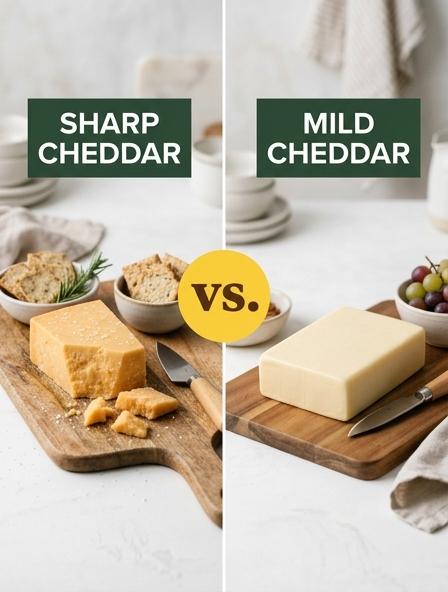
Cheddar cheese is a kitchen staple, but choosing between mild and sharp varieties can completely transform your culinary experience. The primary difference lies in the aging process; mild cheddar is typically aged for just a few months, resulting in a smooth, creamy texture and a subtle, buttery flavor. In contrast, sharp cheddar undergoes a longer maturation, developing a bold, tangy punch and a firmer, crumbly consistency. When it comes to cooking, mild cheddar is the champion of melting, offering a gooey stretch perfect for sauces. Sharp cheddar provides intense flavor but may become oily when heated. Nutritionally, both are similar, though aged sharp varieties often contain significantly less lactose.
Melting Consistency in Homemade Sauces
The primary difference in melting performance between sharp and mild cheddar lies in moisture content and protein structure. Mild cheddar is aged for a shorter duration, preserving the moisture and stable fat-to-protein ratio necessary for a smooth, cohesive emulsion. In contrast, sharp cheddar undergoes an extended aging process that breaks down the casein proteins, which can cause the cheese to become grainy or "break" into an oily mess when subjected to high heat.
- Mild Cheddar: High moisture content leads to superior meltability and a velvety texture.
- Sharp Cheddar: Bold flavor profile but requires low, indirect heat to prevent separation.
For the ultimate stovetop macaroni and cheese, many home cooks prefer melting mild cheddar into a silky roux first, then folding in freshly grated sharp cheddar at the very last second to capture that bold, tangy finish without sacrificing the sauce's creaminess.
Flavor Intensity in Traditional Casseroles
The choice between sharp and mild cheddar significantly dictates the final profile of baked dishes. Sharp cheddar undergoes a longer aging process, resulting in a concentrated, pungent flavor that retains its character even when combined with heavy starches or creams. Conversely, mild cheddar offers a subtle, buttery richness that melts effortlessly but can sometimes get lost among bolder ingredients.
- Sharp Cheddar: Features a high acid content and complex tang, making it ideal for standing out in dense bakes.
- Mild Cheddar: Known for its high moisture and mellow notes, providing a smooth, velvety texture without overpowering the palate.
Imagine baking a classic family potato gratin where the sharp cheddar provides a distinct, zesty contrast to the earthy tubers, ensuring the cheese flavor remains the star of every bite.
Nutritional Variance in Aged and Young Varieties
The primary difference between sharp and mild cheddar lies in the duration of the aging process. While both varieties offer similar core nutrients like calcium and fat, maturation significantly impacts the chemical composition and moisture levels of the cheese.
- Mild Cheddar: Aged for 1–3 months, retaining higher moisture and more lactose.
- Sharp Cheddar: Aged for 9 months to 2 years, resulting in lower moisture and less lactose.
Nutritionally, as cheddar ages, the healthy bacteria cultures consume the lactose (milk sugar). This makes extra-sharp varieties easier to digest for those with mild lactose sensitivities. Furthermore, because water evaporates during the curing stage, sharp cheddar is often slightly more nutrient-dense, providing a marginally higher protein concentration per gram than its younger counterpart.
You might choose a mild cheddar for its superior melting qualities in a creamy macaroni dish, or opt for a vintage sharp cheddar to provide a complex, tangy punch for your next wine pairing.
Browning and Structural Integrity in the Oven
The aging process significantly dictates how cheddar reacts to high heat. Mild cheddar, typically aged for only a few months, retains high moisture levels and a flexible protein matrix. This results in a superior, uniform melt and consistent golden-brown bubbling without the cheese breaking or becoming excessively oily.
Sharp cheddar, having aged longer, possesses a lower moisture content and a more brittle protein structure. While it offers a more complex flavor, the heat of an oven can cause the fats to separate more easily, sometimes leading to a grainy texture or an oily surface rather than a smooth, cohesive melt.
- Mild Cheddar: High moisture, smooth elasticity, and even browning.
- Sharp Cheddar: Low moisture, intense flavor, and prone to oil separation.
You might prefer mild cheddar for a perfectly smooth, stretchy topping on a family lasagna, whereas sharp cheddar is the go-to when you want those crispy, intensely flavored "burnt cheese" edges on a gourmet mac and cheese bake.
Oil Release and Texture in Hot Dishes
The aging process significantly dictates how cheddar performs under heat. Mild cheddar, typically aged for only a few months, maintains a higher moisture content and a cohesive protein structure. This allows it to melt uniformly into a smooth, creamy consistency with minimal separation.
Conversely, sharp cheddar undergoes longer aging, which breaks down the proteins and reduces moisture. When heated, these weakened proteins often fail to emulsify the fat, resulting in visible oil release and a potentially grainy texture.
| Feature | Mild Cheddar | Sharp Cheddar |
|---|---|---|
| Melting Quality | Smooth and Elastic | Prone to Separation |
| Oil Release | Low | High |
Home cooks often prefer using mild cheddar for a silky stovetop mac and cheese base, while saving the sharp variety to sprinkle on top for a flavorful, browned crust.
Lactose Levels and Digestive Health Considerations
Cheddar cheese is a favorable option for individuals with lactose sensitivities due to its unique production and aging process. During the fermentation stage, bacteria convert lactose-the primary sugar in milk-into lactic acid. Consequently, the longer a cheddar ages, the lower its lactose content becomes.
| Cheddar Type | Aging Period | Lactose Concentration |
|---|---|---|
| Mild Cheddar | 2 to 3 months | Low |
| Sharp Cheddar | 9 to 24+ months | Trace / Minimal |
While mild cheddar is manageable for many, those who are highly sensitive often prefer sharp varieties because the extended fermentation significantly reduces potential digestive triggers. For a lactose-sensitive host planning a wine and cheese night, opting for a well-aged extra sharp cheddar ensures all guests can enjoy the bold, complex flavors without worrying about digestive distress.
Consistency During Grating and Slicing
The aging process significantly alters the physical structure of cheddar, impacting how it behaves during food preparation. Mild cheddar, aged for a short duration, retains a high moisture content and a flexible, rubbery body. This makes it prone to "gumming up" a grater or sticking to a knife blade. In contrast, sharp cheddar undergoes longer aging, which reduces moisture and creates a firmer, more brittle texture.
- Mild Cheddar: Pliable and soft; tends to clump when shredded or tear when sliced thinly.
- Sharp Cheddar: Firm and dense; produces clean, distinct shreds and holds its shape under a blade.
While sharp cheddar may crumble if aged excessively, its structural integrity is generally superior for precise cutting. Many home cooks prefer the firm texture of an extra-sharp block when assembling a festive charcuterie board, as it allows for the perfectly uniform cubes and clean-edged slices that guests find visually appealing.
Taste Experience in Cold and Melted States
The flavor profile of cheddar cheese evolves significantly based on its temperature and aging process. Mild cheddar, aged for only a few months, maintains high moisture and a buttery, subtle taste that remains consistent whether chilled or heated. In contrast, sharp cheddar undergoes longer aging, developing a complex, tangy bite and a drier, more crumbly texture when served cold.
| State | Mild Cheddar | Sharp Cheddar |
|---|---|---|
| Cold | Creamy and mellow | Bold and acidic |
| Melted | Smooth, elastic flow | Intense, pungent aroma |
When heat is applied, mild cheddar melts into a velvety, uniform consistency, while sharp cheddar provides a robust flavor punch that stands out against other ingredients. You might prefer the smooth, reliable melt of mild cheddar for a quick afternoon snack, whereas sharp cheddar is the ideal choice for adding a sophisticated depth to a baked gourmet macaroni and cheese.
Moisture Content and Evaporation Rates
The fundamental distinction between sharp and mild cheddar is determined by the length of the aging process and the resulting moisture levels. During maturation, moisture gradually evaporates from the cheese, altering its physical structure and flavor concentration.
- Mild Cheddar: Aged for 2–3 months, maintaining high moisture for a creamy, elastic consistency.
- Sharp Cheddar: Aged for 12 months or longer, leading to significant evaporation and a brittle, crystalline texture.
This loss of water not only intensifies the acidic tang but also changes how the cheese behaves when heated. Families often reach for high-moisture mild cheddar to achieve the ultimate smooth melt in a stovetop mac and cheese, whereas entertainers opt for the aged, crumbly sharpness of a vintage block to pair with bold red wines on a party platter.
Salt Levels and Seasoning Impact
While the base sodium content is often identical during production, the perception of saltiness differs greatly between sharp and mild cheddar due to the aging process. As cheddar matures, it loses moisture, which concentrates the salt and flavors. This chemical transformation means sharp cheddar provides a more aggressive, savory punch compared to the mellow, lactic profile of mild varieties.
- Mild Cheddar: Higher moisture levels dilute the salt perception, making it a subtle addition to dishes.
- Sharp Cheddar: Aging breaks down proteins into savory amino acids, intensifying the salty, "umami" experience.
Because sharp cheddar carries such a concentrated flavor, it often requires less supplemental seasoning when melted into sauces or batters. Choosing the right age affects how much salt you need to add to your overall recipe to achieve a balanced taste. You might reach for a long-aged sharp cheddar when preparing a rich fondue to ensure the salty, complex notes aren't lost among the other ingredients.
Sharp Cheddar vs Mild Cheddar source and external links
- Sharp Cheddar is aged for a significant period to develop its signature pungent flavor and firm, crumbly texture.
- Mild Cheddar undergoes a short aging process of only a few months, resulting in a smooth, creamy consistency and a subtle, buttery taste.
The primary distinction between sharp and mild cheddar originates from the aging process, which fundamentally transforms their chemical composition and culinary performance. Mild cheddar, aged for only a few months, retains a high moisture content and a pliable structure, making it the superior choice for achieving a smooth, gooey melting consistency in dishes like sauces or grilled cheese. Conversely, sharp cheddar undergoes an extended maturation period, resulting in a complex, pungent flavor profile and a more brittle texture. While this aging enhances taste intensity, it also breaks down proteins, which can lead to an oily separation when heated. Nutritionally, both varieties offer similar caloric and protein profiles, though sharp cheddar often contains lower lactose levels. Ultimately, selecting between the two requires balancing the desired depth of flavor against the necessary structural melt for your culinary applications.