
Sharp Cheddar vs Extra Sharp Cheddar: Comparing Melting Performance, Texture, and Nutritional Density Differences
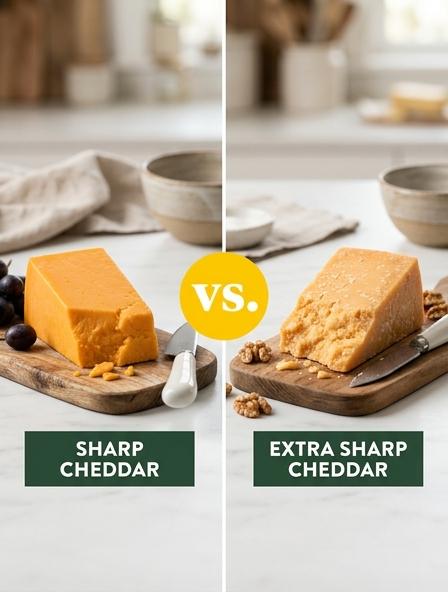
Maturation Length and Its Effect on Melting Performance
The primary distinction between sharp and extra sharp cheddar lies in the aging cellar. While sharp cheddar typically matures for six to nine months, extra sharp varieties are aged for a year or longer. This extended duration fundamentally alters the cheese's chemical structure, specifically affecting how it reacts to heat.
- Sharp Cheddar: Retains higher moisture and a more stable protein matrix, allowing it to melt into a smooth, cohesive sauce.
- Extra Sharp Cheddar: The aging process breaks down proteins into smaller fragments. When heated, these proteins often fail to hold fat in place, leading to oil separation and a grainy texture.
Because of these structural changes, professional chefs reach for sharp cheddar when whisking together a velvety beer cheese soup, while saving the crumbly, bold punch of extra sharp cheddar to stand alone on a sophisticated charcuterie board.
Texture differences in baked casseroles and sauces
The primary difference in how these cheeses behave under heat stems from their moisture content and protein structure. Sharp cheddar, aged for a shorter duration, retains more moisture, making it the superior choice for achieving a smooth, creamy emulsification in stovetop sauces and dips.
- Sharp Cheddar: Melts consistently and stays cohesive in high-moisture dishes.
- Extra Sharp Cheddar: Provides intense flavor but may become oily or grainy when melted due to its lower moisture and aged protein bonds.
While extra sharp cheddar offers a more complex flavor profile, its reduced water content means it is more prone to "breaking," where the fat separates from the solids. This can result in a greasy film on top of baked casseroles. You might prefer using sharp cheddar for a silky-smooth macaroni and cheese base, while reserving the extra sharp variety for a bold, flavorful crust on a breakfast strata.
Lactose content variations across aging stages
The primary chemical distinction between sharp and extra sharp cheddar is the concentration of residual milk sugars. As cheddar undergoes maturation, starter cultures consume the lactose, converting it into lactic acid. This natural fermentation process continues as the cheese ages, significantly reducing the lactose levels over time.
- Sharp Cheddar: Aged 6 to 9 months, retaining minimal trace amounts of lactose.
- Extra Sharp Cheddar: Aged 12 to 18+ months, where the extended breakdown often results in a virtually lactose-free product.
Because the aging process acts as a predigestion of sugars, older cheeses are generally better tolerated by those with sensitivities. While mild cheddar may cause discomfort, the long-term enzymatic activity in extra sharp varieties creates a complex, crystalline texture and a more gut-friendly profile.
You might reach for a block of aged extra sharp when hosting a wine night, knowing its bold, tangy profile provides a sophisticated pairing that even your lactose-sensitive friends can enjoy.
Flavor profile changes within family meals
The distinction between sharp and extra sharp cheddar lies in the duration of the aging process, which fundamentally alters how these cheeses perform in family recipes. Sharp cheddar is typically aged for six to nine months, retaining enough moisture to provide a smooth, consistent melt and a balanced tang. Extra sharp cheddar matures for a year or longer, resulting in a more pronounced acidity and a crumbly texture as moisture evaporates and flavor compounds intensify.
- Sharp Cheddar: Best for creamy textures, melting easily into sauces or over vegetables.
- Extra Sharp Cheddar: Best for bold flavor, offering a sophisticated "bite" that cuts through rich ingredients.
While younger children often prefer the mellow, buttery finish of a standard sharp cheddar, many adults gravitate toward the complex, lingering sharpness of an aged block. You might use sharp cheddar to ensure a silky-smooth macaroni and cheese that everyone enjoys, then top your own bowl with grated extra sharp cheddar for that extra punch of savory depth.
Moisture Levels and Their Effect on Culinary Stability
The fundamental difference between sharp and extra sharp cheddar is the duration of the aging process, which directly impacts moisture content. As cheddar ages longer to become "extra sharp," it loses water, resulting in a more concentrated flavor but a more brittle protein structure. This lack of moisture reduces culinary stability when the cheese is exposed to high heat.
| Cheddar Type | Moisture Level | Melting Profile |
|---|---|---|
| Sharp | Higher | Smooth and cohesive |
| Extra Sharp | Lower | Crumbly; prone to oil separation |
Lower moisture levels in extra sharp varieties mean the cheese is more likely to "break," causing the fats to separate from the proteins during cooking. Home cooks who want a perfectly glossy, stringy grilled cheese sandwich usually reach for a sharp cheddar rather than its extra-aged counterpart to avoid a grainy or oily texture.
Sodium concentration changes during the aging process
The primary difference in sodium between Sharp and Extra Sharp Cheddar isn't necessarily the amount of salt added at the start, but the concentration resulting from moisture loss. During extended aging-typically 12 to 18 months for Extra Sharp-water gradually evaporates from the cheese curd.
As moisture leaves the cheese, the remaining components become more densely packed. This concentration affects the sensory profile in several ways:
- Density: Extra Sharp Cheddar has less water weight, which naturally increases the salt-to-cheese ratio per gram.
- Texture: Protein breakdown (proteolysis) creates a crumbly texture where savory, salty notes are more pronounced.
- Crystals: The formation of calcium lactate crystals can enhance the physical sensation of saltiness on the palate.
Because the volume of the cheese shrinks while the salt content remains stable, the flavor becomes significantly more pungent. You will find that the intense, crystalline bite of an Extra Sharp Cheddar perfectly cuts through the sweetness of a dried apricot or a bold fig jam on your next charcuterie board.
Structural integrity for slicing and shredding tasks
The primary difference in structural integrity between these varieties stems from moisture loss during the aging process. Sharp cheddar, typically aged for six to nine months, retains a higher moisture content and a more elastic protein matrix. This results in a semi-hard texture that is easy to slice into clean, uniform pieces or grate into long, flexible strands.
In contrast, extra sharp cheddar undergoes a longer maturation period, often exceeding one year. This process breaks down the proteins and evaporates moisture, leading to a brittle, crystalline structure. When subjected to a knife or a box grater, it is far more prone to crumbling and fracturing.
- Sharp Cheddar: Pliable and smooth; ideal for clean cuts.
- Extra Sharp Cheddar: Dry and friable; tends to flake or break.
You will likely reach for the sharp variety when prepping a sandwich to ensure the slices stay intact, while the bold, jagged crumbles of extra sharp are exactly what people love for topping a gourmet salad or a bowl of chili.
Heat resistance and oil separation in oven dishes
The chemical composition of cheddar changes significantly during the aging process, directly affecting its performance under heat. Sharp cheddar retains more moisture and a stronger protein matrix, allowing it to melt into a cohesive, smooth consistency. In contrast, extra sharp cheddar undergoes extensive proteolysis, which breaks down proteins and reduces moisture levels.
| Cheddar Type | Melting Stability | Risk of Greasiness |
|---|---|---|
| Sharp | High | Low |
| Extra Sharp | Low | High |
When exposed to intense oven temperatures, the weakened proteins in extra sharp varieties often fail to hold the milk fat, resulting in "breaking" where the oil separates from the solids. This can leave dishes with a gritty texture and an oily surface. You might prefer using sharp cheddar for a perfectly emulsified broccoli cheese soup, while reserving the pungent, crumbly extra sharp variety for a bold finishing touch on a baked potato.
Protein breakdown and its connection to digestive comfort
The primary difference between sharp and extra sharp cheddar lies in the aging duration. During the extended maturation of extra sharp varieties, a biochemical process called proteolysis occurs. Natural enzymes break down complex milk proteins, specifically casein, into smaller peptides and amino acids. This structural transition essentially acts as a form of "pre-digestion," making the cheese significantly gentler on the gastrointestinal tract.
- Reduced Lactose: Longer aging allows bacteria to consume more lactose, aiding those with sensitivities.
- Protein Fragmentation: Simplified protein chains are easier for the body to absorb.
- Bioactive Peptides: The breakdown process can release compounds that may support gut health.
As these proteins fracture, the cheese develops its signature crumbly texture and intense tang. Many cheese lovers find that swapping a mild slice for a well-aged extra sharp cheddar on their evening charcuterie board allows them to enjoy a rich, savory snack without the bloating often associated with younger dairy products.
Nutritional density based on different maturation intervals
As Cheddar ages from Sharp (typically 6–9 months) to Extra Sharp (12 months or longer), its nutritional density undergoes subtle changes. The primary driver of these shifts is moisture loss; as the cheese cures, water evaporates, resulting in a slightly higher concentration of protein, fat, and calcium per gram in the Extra Sharp variety.
Furthermore, the maturation interval directly impacts lactose levels. During fermentation, bacteria convert lactose into lactic acid. The longer the cheese sits, the less lactose remains, making Extra Sharp a superior choice for digestive comfort.
| Nutrient Factor | Sharp Cheddar | Extra Sharp Cheddar |
|---|---|---|
| Moisture Content | Moderate | Low |
| Lactose Level | Minimal | Near Zero |
Connoisseurs often prefer the intense, lingering bite of an Extra Sharp block when seeking a bold contrast against sweet honey and crisp crackers on a weekend charcuterie board.
Sharp Cheddar vs Extra Sharp Cheddar source and external links
- Sharp cheddar is typically aged for six to nine months to develop a balanced yet noticeably tangy flavor profile. Sharp Cheddar
- Extra sharp cheddar undergoes a longer aging process of a year or more, resulting in a significantly more intense, biting taste and a crumbly texture. Extra Sharp Cheddar