
Sharp Cheddar vs Cheddar: The Differences in Flavor Profiles, Culinary Performance, and Aging Characteristics.
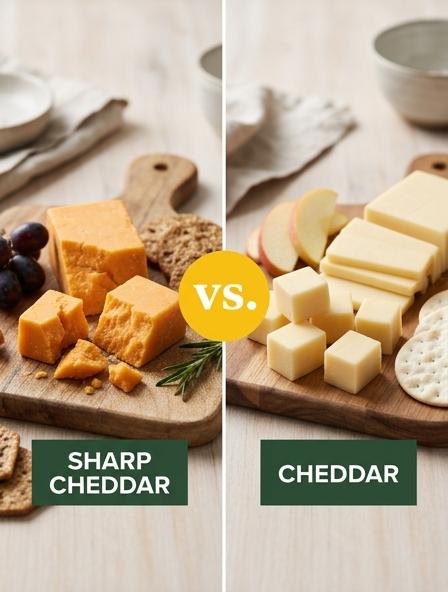
Flavor profile differences in traditional family recipes
In traditional family kitchens, the distinction between cheddar and sharp cheddar hinges on the aging process, which fundamentally transforms the flavor profile. Mild or medium cheddar is typically aged for only a few months, retaining a high moisture content that results in a smooth, creamy texture and a subtle, buttery finish. Sharp cheddar, however, undergoes aging for six months to several years. This maturation breaks down proteins, developing a complex, acidic tang and a distinctive "bite" that cuts through rich ingredients.
- Mild Cheddar: Soft, mellow, and provides a superior melt for smooth sauces.
- Sharp Cheddar: Pungent, savory, and holds a firm, slightly crumbly structure.
Many home cooks prefer using a well-aged sharp cheddar in their signature baked macaroni and cheese to ensure the bold, nutty flavor isn't lost against the richness of the heavy cream and butter.
Melting Behavior and Oil Separation in Stovetop Applications
The primary difference in stovetop performance between sharp and mild cheddar lies in moisture content and protein structure. Mild cheddar, being younger, retains a higher moisture level and a more elastic protein matrix, allowing it to melt into a smooth, cohesive liquid. In contrast, the aging process of sharp cheddar breaks down these proteins, making the cheese less stable when exposed to direct heat.
When used in sauces or over high heat, sharp cheddar is prone to "oiling off," a phenomenon where the fat separates from the protein solids. This often results in a grainy texture and a greasy surface layer rather than a creamy emulsion.
- Mild/Medium Cheddar: High moisture; ideal for smooth emulsification and stretchy consistency.
- Sharp/Aged Cheddar: Lower moisture; provides intense flavor but requires low, indirect heat to prevent graininess.
For the perfect stovetop macaroni and cheese, many home cooks whisk in a mild cheddar base for a silky texture and then fold in a handful of aged sharp cheddar at the very end for a punch of flavor without breaking the sauce.
Nutritional variations and lactose content across maturation stages
The primary difference between mild and sharp cheddar lies in the maturation period, which dictates the cheese's chemical composition. As cheddar ages, enzymes break down proteins and fats, intensifying the flavor profile and altering the texture. While caloric density remains relatively consistent, the moisture content decreases as the cheese matures.
For those monitoring digestive health, the aging process offers a significant benefit regarding lactose levels:
- Mild Cheddar: Aged 2–3 months; contains trace amounts of lactose.
- Sharp Cheddar: Aged 9–12 months; bacteria have converted most lactose into lactic acid.
- Extra Sharp: Aged 18+ months; virtually lactose-free and easier to digest.
Whether you are assembling a gourmet charcuterie board or a simple afternoon snack, many enthusiasts prefer the complex, crystalline crunch of an extra-sharp cheddar paired with crisp apple slices for a balanced, low-lactose treat.
Texture distinctions between crumbly and creamy blocks
The physical transformation of cheddar is primarily driven by the aging process. Mild cheddar is aged for only a few months, allowing it to retain significant moisture. This results in a supple, elastic, and creamy texture that is easy to slice or grate without it falling apart.
As the cheese matures into sharp or extra-sharp territory, the moisture evaporates and the protein structure breaks down. This creates a much firmer, drier, and more brittle consistency. You will often notice the following physical traits:
- Mild/Medium: Smooth, flexible, and melts into a silky, uniform puddle.
- Sharp/Extra-Sharp: Crumbly, crystalline, and prone to breaking into jagged shards.
You may prefer a creamy mild block for a flawlessly gooey grilled cheese, whereas a crumbly, aged sharp cheddar is the preferred choice for a sophisticated charcuterie board where its crystalline crunch can truly shine.
Surface browning and crust formation in baked dishes
The primary difference between sharp cheddar and standard cheddar during baking lies in moisture content and protein structure. Sharp cheddar is aged longer, a process that reduces moisture and concentrates fats and proteins. This composition facilitates a more aggressive Maillard reaction, resulting in a deeper golden color and a distinct, crispy crust on top of baked casseroles.
Standard or mild cheddars contain more water, which promotes a smoother, more elastic melt but often prevents the cheese from achieving that desired "crunch."
- Sharp Cheddar: Lower moisture leads to better browning and a brittle, savory crust.
- Mild Cheddar: Higher moisture results in a soft, gooey layer with minimal surface caramelization.
Most home cooks find that topping a dish with extra-sharp cheddar creates that irresistible, bubbly dark-gold finish that guests always reach for first at a potluck.
Digestive comfort and protein changes during the aging process
The primary distinction between mild and sharp cheddar lies in the duration of the aging process, which fundamentally transforms the cheese's molecular structure. As cheddar matures into a "sharp" variety, it undergoes proteolysis-a biochemical breakdown where enzymes split complex milk proteins into smaller, more manageable peptides and amino acids.
- Lactose Reduction: Longer aging allows starter cultures more time to convert lactose into lactic acid, making sharp cheddar naturally low-lactose.
- Protein Bioavailability: The structural breakdown of casein simplifies digestion and enhances nutrient absorption.
This maturation process ensures that sharp cheddar offers a more complex flavor profile while being significantly gentler on the gastrointestinal tract than younger, "mild" alternatives. You might choose a well-aged vintage sharp cheddar for your afternoon snack if you crave a bold, tangy kick but want to avoid the digestive heaviness often associated with younger dairy products.
Grating and prep performance based on firmness and age
The texture of cheddar cheese evolves significantly during the aging process, directly impacting its kitchen performance. Mild cheddars retain higher moisture levels, making them elastic and pliable. In contrast, sharp and extra-sharp varieties undergo extended aging, which reduces moisture and creates a firmer, more brittle body.
When prepping, these physical differences dictate the best results:
- Mild Cheddar: Produces long, thick shreds; ideal for melting into smooth, velvety sauces.
- Sharp Cheddar: Tends to crumble into fine, needle-like shards; excellent for concentrated flavor bursts.
Older, sharper blocks require a sharp box grater to prevent the cheese from shattering during preparation. While mild cheddar glides through a grater for the perfect gooey grilled cheese, home cooks prefer hand-grating aged sharp cheddar over baked macaroni to achieve that coveted, crispy golden crust.
Palate impact of mild versus bold flavor profiles
The distinction between standard cheddar and sharp varieties is defined by the aging process, which fundamentally alters the cheese's chemical structure and palate impact. Mild cheddar, typically aged for two to three months, retains a high moisture content, resulting in a smooth, buttery texture and a subtle, milky finish. Conversely, sharp cheddar matures for up to several years, allowing enzymes to break down proteins into complex, savory compounds.
This maturation creates a significant sensory shift:
- Mild Profile: Creamy, mellow, and highly meltable.
- Sharp Profile: Tangy, acidic, and often accompanied by crunchy calcium lactate crystals.
As cheddar ages, the concentration of flavors intensifies, moving from a gentle background note to a dominant, pungent profile that lingers on the tongue. For a sophisticated charcuterie board, enthusiasts often choose a long-aged extra-sharp cheddar to provide a robust, complex contrast against sweet fig jam and salty cured meats.
Refrigeration longevity and preservation of quality over time
The primary factor determining the refrigeration longevity of cheddar is its moisture content, which decreases as the cheese ages. Sharp cheddar, having undergone a longer maturation process, possesses lower water activity than mild cheddar. This chemical shift makes it naturally more resistant to spoilage and mold growth over extended periods.
- Mild Cheddar: Higher moisture; typically stays fresh for 4–6 weeks after opening.
- Sharp Cheddar: Lower moisture; often maintains peak quality for 6–8 weeks when properly sealed.
- Storage Tip: Use wax paper followed by plastic wrap to balance humidity and airflow.
While both varieties are durable, the structural stability of aged sharp cheddar allows it to survive long-term storage without losing its signature bite. You will likely prefer reaching for that well-preserved block of sharp cheddar when you need a reliable, punchy flavor for a late-night snack or a spontaneous wine pairing.
Structural integrity and moisture loss during the cooking process
The primary difference between sharp and mild cheddar lies in the aging process, which dictates how the cheese reacts to heat. As cheddar ages to become "sharp," it undergoes significant moisture loss and the breakdown of its protein matrix. This chemical shift affects its melting properties and structural stability:
- Mild Cheddar: Retains high moisture and a strong protein structure, resulting in a smooth, elastic melt.
- Sharp Cheddar: Lower moisture and weakened proteins make it prone to "breaking," where fats separate, potentially creating a oily or grainy texture.
Because sharp cheddar has less water to act as a buffer, high heat can quickly cause the emulsion to fail, leading to a loss of cohesion. You might prefer using a medium-aged cheddar for your gourmet grilled cheese to ensure a perfect, gooey stretch while still providing the bold, tangy flavor profile that enthusiasts love.
Sharp Cheddar vs Cheddar source and external links
- Sharp cheddar is aged for a longer duration to develop a more complex, acidic, and pungent flavor profile. Sharp Cheddar
- Cheddar is a widely popular, relatively hard natural cheese that originated in the English village of Cheddar in Somerset. Cheddar