
Seasoned Salt vs Salt : Comparing Nutritional Impact, Culinary Performance, and Compositional Integrity Differences
Sodium Concentration and Cardiovascular Health
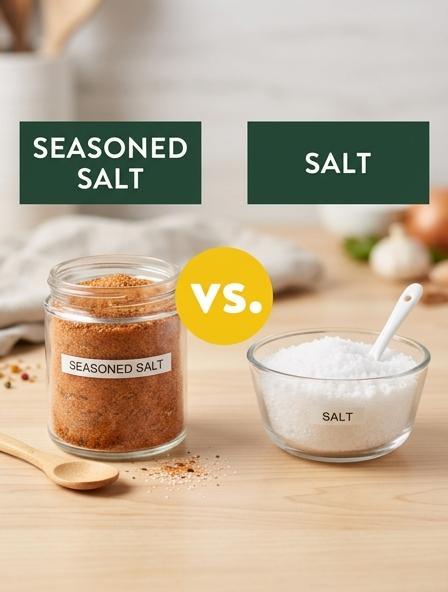
The primary difference between table salt and seasoned salt lies in sodium density. Standard table salt is nearly 100% sodium chloride, whereas seasoned salt is a blend of salt, herbs, and spices like paprika, turmeric, and garlic powder. Because the spices occupy volume, seasoned salt typically contains less sodium per teaspoon than pure salt.
- Table Salt: Contains approximately 2,300mg of sodium per teaspoon.
- Seasoned Salt: Contains approximately 1,700mg to 2,000mg of sodium per teaspoon.
Lowering sodium intake is crucial for managing hypertension and reducing the risk of heart disease and stroke. By replacing pure salt with seasoned varieties, individuals can maintain flavor while decreasing the total mineral load on the cardiovascular system. Home cooks often prefer reaching for a bottle of seasoned salt to add savory depth to grilled chicken while subtly cutting back on the pure salt crystals that impact blood pressure.
Flavor Profiles in Routine Meal Preparation
Distinguishing between seasoned salt and standard salt is vital for mastering everyday cooking. Regular salt, such as kosher or table salt, functions primarily as a flavor enhancer that sharpens the natural notes of an ingredient. In contrast, seasoned salt is a pre-mixed blend featuring a sodium base combined with aromatics like paprika, garlic, and onion powder to provide a deep, umami-rich profile.
| Aspect | Standard Salt | Seasoned Salt |
|---|---|---|
| Complexity | Single-note | Multi-dimensional |
| Application | Foundational seasoning | Topical finishing |
While salt is the universal choice for baking and general boiling, seasoned salt adds a specific savory zest to proteins and starches. You will likely prefer the complexity of seasoned salt when you want to give a batch of homemade potato wedges that classic, robust kick that everyone loves at a backyard barbecue.
Chemical Additives and Label Transparency
Comparing seasoned salt to standard table salt reveals significant differences in ingredient complexity. While basic salt is primarily sodium chloride with minor anti-caking agents, seasoned salts are proprietary blends that often include flavor enhancers and stabilizers. Transparency varies by brand, making label reading essential for those monitoring specific dietary triggers.
- Standard Salt: Usually contains simple additives like potassium iodide or sodium ferrocyanide to prevent clumping.
- Seasoned Salt: Frequently incorporates MSG (monosodium glutamate), cornstarch, tricalcium phosphate, and even artificial colorings like Yellow 6.
Clean-label movements have pushed manufacturers toward using natural anti-caking agents like rice flour instead of synthetic silicates. This shift allows consumers to distinguish between "ultra-processed" spice mixes and those using whole-food ingredients. When hosting a backyard grill-out, many enthusiasts reach for a small-batch seasoned salt to ensure their signature brisket gets a robust flavor profile without the hidden chemical aftertaste of mass-produced fillers.
Searing Performance and Texture Results
The choice between seasoned salt and plain salt fundamentally alters the Maillard reaction and the physical "crunch" of your protein. While both facilitate moisture extraction, their chemical compositions react differently to high heat.
- Plain Salt: Penetrates deeply and creates a clean, uniform crust. Because it lacks organic solids, it can withstand extreme temperatures without scorching.
- Seasoned Salt: Contains additives like paprika, sugar, and garlic powder. These ingredients caramelize quickly, producing a thicker, more flavorful "bark," but they can turn bitter if exposed to direct flame for too long.
Texture is also influenced by grain size; coarse kosher salt provides a crystalline snap, whereas the fine grinds in seasoned blends offer a sandy, savory coating. Home cooks often prefer using a heavy hand of seasoned salt when air-frying chicken thighs to achieve a deep, mahogany-colored skin that mimics a professional rotisserie finish.
Nutritional Content of Infused Blends
Comparing the nutritional profile of seasoned salt to standard table salt reveals key differences in mineral density. While table salt is almost entirely sodium chloride, seasoned blends integrate various herbs and spices, which naturally dilutes the sodium concentration per teaspoon.
Nutritional highlights of typical infused blends include:
- Sodium Reduction: Volume is displaced by spices, often leading to lower sodium intake.
- Trace Minerals: Ingredients like paprika, garlic powder, and onion powder add small amounts of vitamins and antioxidants.
- Hidden Additives: Some commercial blends may contain sugar, cornstarch, or anti-caking agents.
By choosing an infused variety, you gain a complex flavor profile that often requires a smaller total quantity to satisfy the palate. You might prefer a high-quality garlic-herb blend when seasoning a roasted chicken to ensure a savory, golden skin without the harshness of pure sodium crystals.
Aromatic Influence on Slow Cooked Entrees
When preparing slow-cooked meals, the choice between seasoned salt and traditional salt significantly impacts the final aromatic profile. While plain salt focuses on enhancing the natural savory notes of proteins and breaking down connective tissues, seasoned salt introduces a layered bouquet of spices that evolve over several hours of heat exposure.
The primary differences in their aromatic contributions include:
- Standard Salt: Primarily acts as a flavor enhancer, sharpening existing tastes without adding new scents.
- Seasoned Salt: Releases essential oils from ingredients like garlic, onion, and paprika, creating a complex fragrance that permeates the entire dish.
Because slow cooking allows ample time for spice infusion, the aromatic compounds in seasoned salt have the opportunity to marry with the rendered fats of the meat. Many home chefs prefer using a heavy dusting of seasoned salt on a slow-cooked brisket to ensure that every slice carries a deep, herbaceous aroma that plain salt simply cannot provide.
Dissolution Behavior in Sauces and Gravies
The primary difference between seasoned salt and pure salt in liquid applications is solubility. Sodium chloride crystals in standard salt dissolve rapidly and completely in water-based liquids, ensuring a clear, sediment-free consistency. Seasoned salt, however, is a heterogeneous mixture containing organic matter such as ground peppers, paprika, and dried aromatics.
- Standard Salt: Dissolves fully, leaving no visual residue or texture.
- Seasoned Salt: The salt component dissolves, but insoluble spice particulates remain suspended or settle at the bottom.
While heat aids the extraction of oils from the spices in seasoned blends, the fibrous plant material will never truly vanish. This can affect the clarity of delicate reductions or the smoothness of a refined velouté. You might choose fine sea salt for a transparent glaze, but when whisking a hearty sausage gravy, you will likely prefer seasoned salt for the rustic flecks and complex flavor profile it provides.
Effects on the Natural Taste of Vegetables
Choosing between seasoned salt and regular salt significantly impacts how the natural profile of vegetables is perceived. Pure salt acts primarily as a flavor enhancer; it suppresses bitterness and unlocks the inherent sweetness of produce without altering its core identity. Conversely, seasoned salt introduces a complex blend of spices like paprika, garlic, and onion powder, creating a more robust, savory profile.
- Pure Salt: Brightens natural sugars and highlights delicate, earthy notes.
- Seasoned Salt: Adds umami and depth, which can sometimes mask the subtle nuances of fresh greens.
While regular salt is the purist's choice for highlighting high-quality harvests, seasoned salt is excellent for adding excitement to milder ingredients. You might prefer a light sprinkle of sea salt on garden-fresh heirloom tomatoes to keep their flavor authentic, while reaching for seasoned salt to give roasted potatoes a bold, savory crust that everyone at the table will love.
Kitchen Shelf Life and Component Stability
Pure salt is a stable mineral that technically lasts forever if kept free of moisture. However, seasoned salt is a complex mixture where salt acts as a preservative for organic additives like garlic, onion, and paprika. While the salt component remains chemically unchanged, the volatile oils and aromatics in the added spices degrade over time due to heat, light, and oxygen exposure.
| Feature | Pure Salt | Seasoned Salt |
|---|---|---|
| Shelf Life | Indefinite | 1–2 Years |
| Flavor Stability | Permanent | Diminishes over time |
To maintain maximum component stability, seasoned blends should be stored in airtight containers away from the stove. You might notice your favorite seasoned salt has lost its vibrant color and pungent kick when you go to crust a prime rib, indicating the organic spices have finally lost their potency.
Volumetric Accuracy in Household Recipes
Achieving volumetric accuracy when swapping seasoned salt for regular salt is challenging due to their differing densities. While table salt consists of uniform, fine crystals, seasoned salt is a heterogeneous mixture of salt, sugar, and various ground spices like paprika or garlic powder. These additives create air gaps and change the weight-to-volume ratio.
| Attribute | Table Salt | Seasoned Salt |
|---|---|---|
| Granule Size | Fine and Consistent | Varied and Coarse |
| Sodium Content | 100% Salt Density | Diluted by Spices |
Because the spice particles in seasoned salt occupy more space with less total weight, a direct 1:1 volumetric substitution often results in under-salting a dish. Many home cooks prefer reaching for seasoned salt when prepping Sunday roasts to ensure a balanced, aromatic crust that provides more depth than a standard sodium-only seasoning.
Seasoned Salt vs Salt source and external links
- Seasoned salt is a versatile blend of table salt, herbs, and spices used to enhance the savory flavor of meats and side dishes.
- As a fundamental mineral composed primarily of sodium chloride, salt is an essential nutrient and the world's most common seasoning for food preservation and flavoring.