
Runner Bean vs Zucchini : The Differences in Nutritional Value, Cooking Performance, and Flavor Profiles.
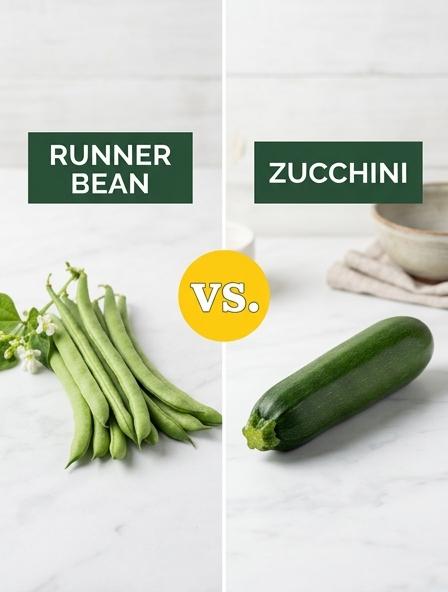
Comparative Nutritional Value and Calorie Content
When comparing runner beans and zucchini, the primary difference lies in caloric density and fiber content. Runner beans are nutritionally dense, offering significantly more dietary fiber and plant-based protein per serving. Zucchini, however, is celebrated for its high water content and remarkably low calorie count, making it an ideal choice for weight management and volume eating.
| Nutrient (per 100g) | Runner Bean | Zucchini |
|---|---|---|
| Calories | 31 kcal | 17 kcal |
| Fiber | 3.4g | 1.0g |
| Protein | 2.1g | 1.2g |
While runner beans provide a superior source of folate and vitamin C, zucchini delivers essential potassium and vitamin B6 with less metabolic impact. You might swap heavy pasta for zucchini "zoodles" to keep your meal light and hydrating, or choose steamed runner beans when you need a hearty, fiber-packed side to maintain satiety until your next meal.
Texture and Firmness Changes in High Heat
When subjected to high-heat cooking methods like stir-frying or searing, runner beans and zucchini react differently due to their unique cellular structures. Runner beans are notably more fibrous; they maintain a resilient "snap" and structural integrity even under intense flame. In contrast, zucchini possesses a much higher water content, leading to rapid softening as its cell walls break down quickly.
- Runner Beans: Retain a dense, meaty bite and do not collapse easily.
- Zucchini: Tends to caramelize on the outside but can turn mushy or release excess moisture if overcooked.
You might prefer tossing runner beans into a blistering hot wok for a crunchy side dish, whereas thinly sliced zucchini is the go-to for a melt-in-your-mouth charred garnish on a summer pizza.
Impact on Sauce Consistency and Liquid Release
Choosing between runner beans and zucchini significantly alters the moisture levels of your dish. Zucchini is characterized by a high water content-nearly 95%-which is released rapidly when exposed to heat. This can lead to a watery sauce if the liquid is not properly reduced. In contrast, runner beans are more fibrous and structurally resilient. They retain their shape and do not sweat out significant moisture, making them ideal for maintaining a thick, chunky consistency.
| Attribute | Runner Bean | Zucchini |
|---|---|---|
| Water Content | Moderate | Very High |
| Sauce Effect | Maintains density | Thins/Dilutes sauce |
You might prefer using zucchini when you want to create a silky, melded texture in a summer pasta, whereas runner beans are the superior choice for a robust garden stew that requires structural integrity and bite.
Vitamin and Mineral Density for Family Wellness
Choosing between runner beans and zucchini often comes down to specific micronutrient goals for your family. Runner beans are exceptional sources of folate (Vitamin B9) and dietary fiber, which are crucial for cardiovascular health and supporting growth in children. Zucchini, conversely, is highly hydrating and provides a significant boost of Vitamin A and manganese, supporting eye health and bone strength.
| Nutrient Focus | Runner Bean | Zucchini |
|---|---|---|
| Primary Vitamin | Folate (B9) | Vitamin A |
| Key Mineral | Iron & Magnesium | Potassium |
To ensure optimal nutritional density, health-conscious parents often toss sliced runner beans into hearty stews for a fiber boost, while using spiralized zucchini as a light, mineral-rich pasta substitute that kids love for its fun texture and mild flavor.
Fiber Content and Digestive Health Comparison
Analyzing the dietary profiles of runner beans and zucchini reveals distinct advantages for gastrointestinal wellness. Runner beans are fiber powerhouses, containing significant amounts of both soluble and insoluble fiber. This combination is essential for slowing glucose absorption and providing the bulk necessary for consistent bowel movements. In contrast, zucchini offers a gentler approach to digestive health; its high water-to-fiber ratio makes it an excellent choice for maintaining hydration within the colon while being easier to break down.
| Nutrient | Runner Beans | Zucchini |
|---|---|---|
| Fiber Type | Dense Roughage | Soft Mucilaginous |
| Digestive Load | High (Complex) | Low (Easy-to-digest) |
Health-conscious foodies typically reach for runner beans to create filling, gut-healthy stews that sustain satiety, while parents often prefer steamed zucchini for children because its soft texture is incredibly soothing on delicate digestive systems.
Structural Integrity in Stews and Slow Cooked Dishes
When selecting vegetables for long-simmering recipes, the primary difference lies in their cellular resilience. Runner beans are highly fibrous; they retain their distinct shape and a firm "bite" even after hours in a slow cooker. Conversely, zucchini features a high water content and delicate skin, leading it to soften rapidly and eventually disintegrate into the surrounding liquid.
- Runner Beans: Provide structural contrast and maintain architectural presence in chunky ragouts.
- Zucchini: Acts as a natural thickener as it breaks down, blending into the base of the dish.
You can toss sliced runner beans into a slow-cooked lamb stew to ensure every spoonful offers a satisfying, hearty texture that does not disappear into the broth.
Storage Longevity and Freshness Maintenance in the Kitchen
Maximizing the shelf life of runner beans and zucchini requires understanding their unique respiration rates. Runner beans are highly perishable and lose moisture rapidly; they are best stored in a perforated plastic bag in the refrigerator to maintain their crispness. Zucchini, while sturdier due to its thicker skin, is sensitive to chilling injury and excess moisture, which can lead to soft spots. To maintain peak freshness, compare their storage needs below:
| Feature | Runner Bean | Zucchini |
|---|---|---|
| Ideal Environment | Cool & Humid | Cool & Dry |
| Shelf Life | 4–6 Days | 7–10 Days |
| Sign of Age | Limpness/Yellowing | Pitting/Softness |
Proper airflow prevents zucchini from becoming slimy while keeping bean pods firm. You may find that while zucchini survives a week in the crisper, the delicate runner bean demands prompt usage to ensure you experience that perfect, garden-fresh crunch in your evening stir-fry.
Flavor Profiles and Seasoning Absorption in Savory Cooking
Runner beans and zucchini offer contrasting roles in savory dishes based on their physical structure and moisture content. Runner beans are celebrated for their bold, earthy nuttiness and firm, fibrous texture, which requires seasonings that complement rather than mask their hearty nature. Conversely, zucchini is a high-moisture vegetable with a subtle sweetness, functioning primarily as a culinary sponge.
| Attribute | Runner Bean | Zucchini |
|---|---|---|
| Primary Flavor | Strong, grassy, earthy | Mild, neutral, sweet |
| Absorption Style | Surface coating | Deep infusion |
Many home cooks enjoy searing runner beans with pancetta and lemon zest for a crunchy contrast, while they prefer dicing zucchini into a rich, herb-heavy ratatouille to let it soak up every drop of garlic-infused oil.
Preparation Time and Waste Reduction for Home Cooks
When comparing runner beans and zucchini, preparation efficiency is a deciding factor for many home cooks. Zucchini is the ultimate convenience vegetable; it requires no peeling and can be sliced or grated in seconds with virtually zero waste. In contrast, runner beans require a bit more labor. Most varieties need "stringing"-the removal of the fibrous thread along the seam-and diagonal slicing to ensure a tender bite.
In terms of kitchen efficiency, consider these preparation differences:
- Zucchini: 100% edible yield; best for rapid sautéing or raw salads.
- Runner Beans: Minimal waste (only the tips and strings), but requires blanching for best results.
You might find yourself grabbing the zucchini for a five-minute Tuesday night stir-fry, while reserving the rhythmic slicing of runner beans for a slow Sunday afternoon gathering with family.
Skin Thickness and Performance in Sautéing and Steaming
The culinary behavior of runner beans and zucchini is primarily determined by their outer layers. Runner beans have a thick, fibrous skin that demands sufficient heat to break down tough cellulose. Zucchini, however, possesses a delicate, high-moisture skin that offers little resistance to heat but can easily become mushy if overexposed.
- Sautéing: Zucchini excels with high-heat searing for a caramelized finish. Runner beans often require a quick blanching before hitting the pan to ensure the skin is chewable and tender.
- Steaming: This method highlights the runner bean's ability to maintain a firm "snap" and vibrant color. Conversely, zucchini steams very quickly, requiring precision to avoid a collapsed, watery texture.
You will likely choose the robust runner bean when you want a vegetable that retains its integrity in a warm grain bowl, while opting for thinly sliced zucchini when you need a quick, tender sauté for a weeknight pasta.
Runner Bean vs Zucchini source and external links
- The Runner Bean is a vigorous climbing plant favored by gardeners for both its edible pods and its attractive, nectar-rich flowers.
- Zucchini is a versatile summer squash harvested while immature to maintain a tender skin and mild culinary profile.