
Rocambole Garlic vs Garlic Salt: The Differences in Flavor Profiles, Sodium Content, and Culinary Performance.
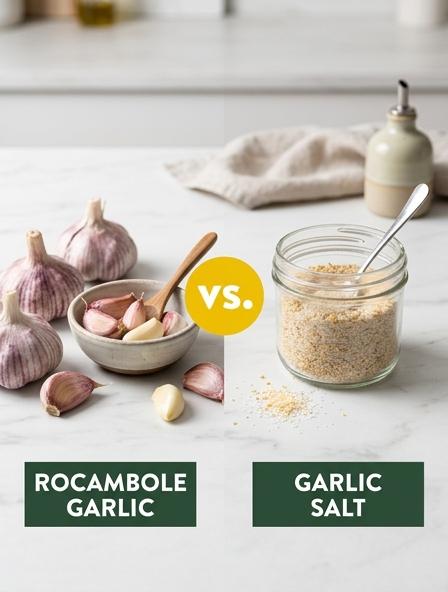
Rocambole Garlic and Garlic Salt Flavor Comparison
Choosing between Rocambole garlic and garlic salt involves weighing gourmet complexity against kitchen convenience. Rocambole is a premium hardneck variety celebrated for its deep, full-bodied flavor, often described as rich and nutty with a spicy-sweet finish. In contrast, garlic salt is a processed blend of dehydrated garlic powder and table salt, providing a simplified, savory profile that lacks the aromatic essential oils found in fresh cloves.
- Rocambole Garlic: Offers a robust, lingering heat and buttery texture when roasted.
- Garlic Salt: Provides a high-sodium, muted garlic essence suitable for quick seasoning.
The primary difference lies in depth; Rocambole's natural sulfur compounds create a sophisticated palate that evolves during cooking, whereas garlic salt remains static. Many food enthusiasts prefer mincing a fresh Rocambole clove into a vinaigrette to achieve a vibrant, pungent kick that bottled alternatives simply cannot replicate.
Sodium Levels and Impact on Daily Health
The primary health distinction between Rocambole garlic and garlic salt lies in their mineral composition. Rocambole, an heirloom hardneck garlic, provides a deep, complex flavor with virtually zero sodium. Conversely, garlic salt is a processed blend where sodium chloride is the dominant ingredient, often making up 75% or more of the volume.
| Feature | Rocambole Garlic | Garlic Salt |
|---|---|---|
| Sodium Content | Negligible | High (approx. 1,900mg per tbsp) |
| Health Impact | Heart-healthy Allicin | Potential Hypertension Risk |
High sodium intake is a leading contributor to water retention and elevated blood pressure. By opting for fresh Rocambole, you benefit from sulfur compounds like allicin without the cardiovascular strain caused by hidden salts. Health-conscious foodies prefer rubbing a fresh Rocambole clove over toasted sourdough to enjoy a pungent, buttery zing while keeping their daily salt intake well within the recommended limits.
Performance in Sautéing and High Heat Cooking
Choosing between Rocambole garlic and garlic salt for high-heat applications depends on the desired flavor depth and chemical reaction in the pan. Rocambole, a prized hardneck variety, contains natural sugars and volatile oils that caramelize beautifully when sautéed, providing a rich, savory complexity. However, its high sugar content means it can burn quickly if the flame is too high.
Conversely, garlic salt is a mixture of dehydrated garlic and sodium chloride. In a hot skillet, the fine garlic particles often scorch before the dish is finished, resulting in a bitter aftertaste. Furthermore, the salt component draws moisture out of proteins and vegetables, which can interfere with achieving a perfect sear.
- Rocambole Garlic: Best for building a deep, aromatic base in oils or fats.
- Garlic Salt: Best used as a finishing touch or for topical seasoning.
Home cooks love tossing freshly minced Rocambole cloves into a pan of shimmering butter to create the ultimate aromatic foundation for a steak dinner.
Nutritional Profile of Fresh Bulbs and Seasoned Salts
Comparing fresh Rocambole garlic to commercial garlic salt reveals a stark contrast in health benefits and chemical composition. Rocambole, a celebrated hardneck variety, is a nutrient-dense powerhouse rich in allicin, manganese, and Vitamin B6. Conversely, garlic salt is a processed condiment primarily composed of sodium chloride and dehydrated garlic particles, often containing anti-caking agents.
- Rocambole Garlic: Contains high concentrations of bioactive sulfur compounds and zero added sodium.
- Garlic Salt: High sodium levels-often exceeding 300mg per serving-with significantly reduced antioxidant capacity.
Fresh bulbs retain volatile oils that provide both culinary depth and cardiovascular support, whereas the seasoned salt version prioritizes shelf-life over enzymatic vitality. You might choose to mince a pungent Rocambole clove into a heart-healthy Mediterranean dressing, while someone else might favor the convenience of garlic salt for a quick, savory seasoning on top of buttered popcorn.
Aromatic Differences in Home Cooked Recipes
Choosing between Rocambole garlic and garlic salt fundamentally changes the sensory profile of a dish. Rocambole, a premium hardneck variety, is celebrated for its deep, complex, and spicy aroma that evolves into a rich nuttiness when heat is applied. In contrast, garlic salt is a shelf-stable mixture of dehydrated garlic powder and sodium, offering a one-dimensional saltiness rather than a layered fragrance.
- Rocambole Garlic: High concentration of volatile oils, providing a pungent, woodsy, and lingering bouquet.
- Garlic Salt: Muted aromatic intensity, primarily used for quick seasoning and uniform salt distribution.
The chemical processing of garlic salt removes the moisture and sulfurous compounds that give fresh cloves their punch. While the salt blend is convenient for dry rubs, it lacks the enzymatic depth required for gourmet cooking. You will appreciate the difference when the sweet, musky fragrance of crushed Rocambole garlic transforms a basic olive oil sauté into a professional-grade culinary experience.
Influence on Dish Texture and Moisture Balance
Choosing between Rocambole garlic and garlic salt fundamentally alters a dish's structural integrity. Rocambole, a succulent hardneck variety, introduces physical mass and natural juices. When minced and heated, it breaks down into tender bits that contribute to a rich, buttery mouthfeel. In contrast, garlic salt is a dry additive; the salt component acts as a desiccant, pulling moisture away from proteins and vegetables through osmosis.
| Attribute | Rocambole Garlic | Garlic Salt |
|---|---|---|
| Consistency | Fibrous and Pulpy | Fine and Granular |
| Hydration | Adds Moisture | Absorbs Moisture |
Culinary enthusiasts prefer fresh Rocambole cloves for building thick, velvety marinara sauces, whereas garlic salt is the go-to choice for achieving a perfectly crisp, dry-brined crust on a seared ribeye steak.
Shelf Life and Kitchen Storage Requirements
Understanding the storage nuances between fresh Rocambole garlic and processed garlic salt is essential for maintaining flavor potency. Rocambole, a prized hardneck variety, has a relatively short shelf life of four to six months. It requires a cool, dry, and well-ventilated space to prevent sprouting or mold. In contrast, garlic salt is a pantry staple engineered for longevity, often remaining shelf-stable for two to three years.
- Rocambole Garlic: Store in mesh bags at 60-65°F; avoid refrigeration to prevent moisture buildup.
- Garlic Salt: Keep in an airtight container away from steam and direct sunlight to avoid clumping.
While Rocambole offers superior culinary depth, garlic salt provides unmatched convenience for long-term use. You might choose the delicate, nutty notes of fresh Rocambole when preparing a signature compound butter, but keep garlic salt nearby for a fast and savory seasoning on your favorite movie-night popcorn.
Cost Efficiency for Regular Household Use
When comparing Rocambole garlic to garlic salt, the financial impact on your grocery budget differs significantly. Garlic salt is a shelf-stable, inexpensive blend that provides a high volume of seasoning for a very low price. In contrast, Rocambole garlic is a gourmet hardneck variety that commands a premium price due to its shorter shelf life and labor-intensive cultivation.
- Garlic Salt: Highly affordable, lasts years, and combines seasoning steps to save money.
- Rocambole Garlic: Higher upfront cost, lasts 4–6 months, but provides a complex, nutty flavor profile.
While garlic salt is the economical choice for bulk seasoning, Rocambole provides more culinary value per clove, meaning you need less physical product to achieve a robust, spicy depth in your dishes. You might reach for the budget-friendly garlic salt when seasoning a large batch of movie-night popcorn, while saving the precious Rocambole cloves for a slow-roasted leg of lamb where its rich oils can truly transform the meal.
Cardiovascular Health and Dietary Sodium Considerations
Choosing between Rocambole garlic and garlic salt is a critical decision for cardiovascular wellness. Rocambole is a gourmet hardneck variety celebrated for its high Allicin content, a compound known to support blood vessel elasticity and healthy cholesterol levels. In contrast, garlic salt is a processed blend primarily composed of sodium chloride, which can contribute to hypertension and arterial stiffness when consumed in excess.
- Sodium Impact: Garlic salt often contains over 300mg of sodium per serving, whereas fresh Rocambole is naturally sodium-free.
- Nutrient Bioavailability: Raw or lightly cooked Rocambole retains potent organosulfur compounds lost during the commercial drying process of garlic salt.
- Flavor Depth: Rocambole provides a rich, nutty heat that reduces the culinary need for supplemental salt.
Imagine roasting a whole head of Rocambole garlic to create a buttery, savory spread for your artisan bread, delivering a deep flavor profile that makes you completely forget about the salt shaker.
Applicability in Marinades and Dry Seasoning Applications
Choosing between Rocambole garlic and garlic salt depends on whether you require deep, aromatic infusion or surface-level convenience. Rocambole garlic, a premium hardneck variety, is prized for its rich, nutty profile and high natural sugar content. It excels in liquid-based marinades where its volatile oils can emulsify with fats and acids, providing a complex flavor that survives the cooking process.
- Rocambole Garlic: Best for wet marinades, slow-roasting, and high-heat sautéing where a gourmet, "true" garlic taste is essential.
- Garlic Salt: Ideal for dry rubs, popcorn seasoning, and quick-fix surface applications where uniform salt distribution is the priority.
While garlic salt offers a consistent 3:1 ratio of salt to dehydrated garlic, it lacks the pungent, earthy "bite" found in fresh Rocambole cloves. You will likely favor a heavy sprinkle of garlic salt for a quick Tuesday night burger rub, but you'll reach for the heirloom Rocambole when crafting a slow-marinated leg of lamb for a special weekend feast.
Rocambole Garlic vs Garlic Salt source and external links
- Rocambole garlic is a variety of hardneck garlic widely celebrated by gourmet chefs for its rich, full-bodied flavor and easy-to-peel skins. Rocambole garlic
- Garlic salt is a popular savory seasoning blend traditionally made by combining one part granulated dried garlic with three parts table salt. Garlic salt