
Rice Pasta vs White Pasta: Which is Best for Digestive Health, Blood Sugar Impact, and Texture Stability?
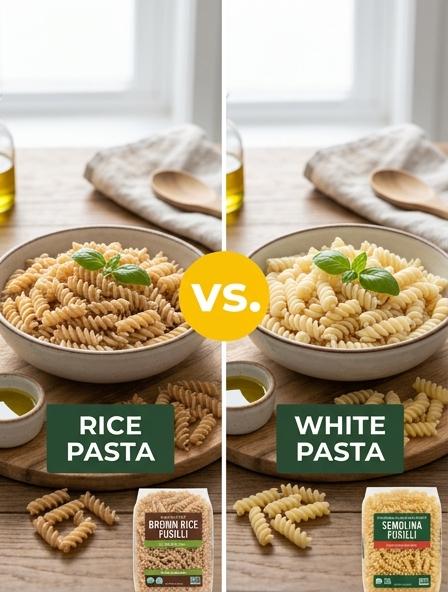
Nutritional Profile Comparison for Health Conscious Cooking
When evaluating rice pasta versus traditional white pasta, the choice often hinges on gluten tolerance and protein requirements. White pasta, typically made from durum wheat semolina, contains higher levels of protein and fiber. In contrast, rice pasta-whether made from white or brown rice flour-is a premier gluten-free alternative that is generally easier on the digestive system.
| Nutrient | White Pasta | Rice Pasta |
|---|---|---|
| Primary Grain | Durum Wheat | Rice Flour | Gluten Status | Contains Gluten | Gluten-Free |
| Protein Content | Higher (approx. 7g) | Lower (approx. 3g) |
While white pasta is often enriched with iron and B vitamins, rice pasta offers a hypoallergenic profile suitable for those with Celiac disease or non-celiac gluten sensitivity. You might reach for brown rice spaghetti when preparing a light, allergen-friendly summer meal to ensure all your guests can enjoy a delicious dinner without digestive discomfort.
Boiling Duration and Texture Stability in the Pot
The primary difference between rice and white pasta lies in their structural integrity during the boiling process. Traditional white pasta, crafted from durum wheat, relies on a strong gluten network that provides excellent texture stability. It typically requires 8 to 12 minutes of cooking and remains resilient even if slightly over-boiled.
Rice pasta, being gluten-free, behaves differently. It generally cooks faster-often within 7 to 10 minutes-but has a much narrower window of perfection. Because rice starch breaks down more easily in hot water, these noodles can quickly lose their shape and become gummy if not monitored closely.
- White Pasta: Forgiving "al dente" range; maintains bite in heavy sauces.
- Rice Pasta: Precise timing required; releases more starch into the boiling water.
You might prefer the structural endurance of white pasta for a slow-baked lasagna, whereas rice pasta is your best bet for a light, quick-tossed summer salad where a soft, delicate texture is desired.
Blood Sugar Impact and Daily Energy Maintenance
The choice between rice and white pasta significantly influences your glycemic response and metabolic stability. Traditional white pasta, made from durum wheat, typically has a lower glycemic index (GI) than white rice pasta because its gluten structure slows down starch digestion. This leads to a more gradual rise in blood sugar compared to the rapid spikes often associated with refined rice products.
- White Wheat Pasta: Moderate GI (approx. 45-55), offering sustained energy release.
- White Rice Pasta: Higher GI (approx. 70+), resulting in quicker energy but potential mid-day crashes.
- Brown Rice Pasta: A fiber-rich alternative that stabilizes glucose levels more effectively than white varieties.
Maintaining steady energy is vital for avoiding the dreaded "afternoon slump" caused by insulin spikes. Many endurance athletes prefer a balanced bowl of brown rice pasta the night before a big race to ensure their glycogen stores are topped up without the digestive heaviness of wheat.
Sauce Adhesion and Liquid Absorption Qualities
The interaction between pasta and sauce depends largely on surface texture and starch composition. Traditional white pasta, made from durum wheat, possesses a porous exterior that excels at sauce adhesion, creating a cohesive bite. Rice pasta, however, typically features a smoother, silkier surface that can be more resistant to heavy meat sauces but is highly efficient at liquid absorption.
| Metric | White Pasta | Rice Pasta |
|---|---|---|
| Sauce Grip | High (Starch-rich) | Moderate (Slicker) |
| Absorption Rate | Steady | Rapid |
You might prefer the structural integrity of white pasta for a thick, creamy carbonara, whereas rice pasta is the ideal choice when you want noodles to soak up every drop of a light, aromatic Thai curry broth.
Digestive Health and Comfort for Sensitive Stomachs
When comparing rice pasta to white pasta, the primary difference lies in digestibility. Traditional white pasta is made from refined wheat, which contains gluten and fructans. For individuals with gluten sensitivities or Irritable Bowel Syndrome (IBS), these compounds can trigger bloating, gas, and abdominal discomfort.
Rice pasta serves as a hypoallergenic alternative that is naturally gluten-free and easier for the gastrointestinal tract to process. Because it is lower in fermentable carbohydrates (FODMAPs), it reduces the likelihood of digestive distress after eating.
- White Pasta: Contains gluten; may cause inflammation in sensitive individuals.
- Rice Pasta: Gluten-free; gentler on the stomach lining and easier to break down.
Many fitness enthusiasts prefer a bowl of brown rice penne before a workout to ensure they get the necessary carbohydrates without the sluggish, heavy feeling often associated with wheat-based noodles.
Structural Performance in Oven Baked Dishes
The primary difference between rice and white pasta in the oven lies in protein structure. White pasta, crafted from durum wheat, contains a robust gluten network that maintains its shape and "al dente" bite even under heavy sauces and high heat. Conversely, rice pasta is gluten-free and relies on starches that are more susceptible to thermal degradation.
- White Pasta: Retains structural integrity and prevents clumping during long bake times.
- Rice Pasta: Tends to soften or become gummy if overexposed to moisture and heat.
Because rice noodles absorb liquid more aggressively, they can compromise the dish's texture if the sauce-to-pasta ratio is not carefully managed. Home cooks often choose traditional white pasta for a reliable, sturdy Sunday lasagna, while gluten-conscious chefs typically parboil rice noodles for only a few minutes to ensure they don't lose their bite in a cheesy casserole.
Vitamin and Mineral Content of Pantry Staples
When comparing rice pasta and white pasta, the micronutrient profiles differ significantly due to grain processing and enrichment. Traditional white pasta is typically made from enriched durum wheat, which is legally required in many regions to be fortified with folic acid, iron, thiamin, and riboflavin. Rice pasta, while a popular gluten-free alternative, generally contains lower levels of these specific vitamins unless the manufacturer adds them back during production. However, brown rice pasta varieties often retain more natural minerals like magnesium and phosphorus compared to refined wheat options.
| Nutrient Focus | Enriched White Pasta | Rice Pasta |
|---|---|---|
| Folic Acid | High (Fortified) | Minimal |
| Iron | High (Fortified) | Low |
| Magnesium | Low | Moderate (Brown Rice) |
You might choose enriched white pasta when you need a folate boost for a high-energy meal, or opt for rice pasta when you want a light, gluten-free base for a vibrant summer vegetable stir-fry.
Texture Retention and Consistency After Reheating
The primary difference in reheating quality between rice pasta and white pasta lies in their protein structures. White pasta, crafted from durum wheat, contains a gluten matrix that helps it maintain a firm, "al dente" consistency even after a night in the refrigerator. In contrast, rice pasta lacks this structural support, often becoming brittle when cold and mushy once reheated.
- White Pasta: Excellent elasticity; resists breaking during stirring and maintains its original shape.
- Rice Pasta: High starch content can lead to clumping or a grainy texture if over-microwaved.
To prevent rice noodles from drying out or disintegrating, adding a small amount of water or olive oil before heating is essential to restore moisture. You will likely prefer the reliable durability of white pasta for your weekly meal prep, ensuring your Thursday office lunch still has that perfect, satisfying bite.
Caloric Count and Satiety for Meal Planning
When comparing rice pasta and traditional white pasta, the caloric density is remarkably similar. Both options typically provide between 200 and 210 calories per cooked cup. However, the nutritional architecture differs, impacting how long you remain satisfied after eating.
- White Pasta: Made from durum wheat, it generally offers slightly higher protein levels, which can aid in muscle maintenance and satiety.
- Rice Pasta: A gluten-free alternative that is often easier on the digestive system but may have a higher glycemic index if made from white rice.
For effective meal planning, satiety is the deciding factor. While the calorie counts are nearly identical, brown rice pasta often contains more fiber than refined white pasta, slowing glucose absorption. Selecting the right base depends on whether your priority is rapid energy or long-term fullness.
You might choose brown rice pasta for a Sunday meal prep to ensure a gluten-free lunch that keeps you fueled and focused throughout a demanding afternoon at the office.
Culinary Application in Soups and Cold Salads
Choosing between rice pasta and white pasta significantly alters the texture and longevity of your dish. Traditional white pasta, crafted from durum wheat, possesses a robust gluten structure that allows it to maintain a chewy "al dente" bite, even when chilled. In contrast, rice pasta is prized for its light, delicate profile, though it requires careful timing to avoid becoming overly soft in liquid environments.
- White Pasta: Best for hearty soups like minestrone, as it releases starches that thicken the broth naturally.
- Rice Pasta: Ideal for cold Asian-inspired noodle salads or quick-serve clear broths where a smooth, slippery texture is desired.
For a refreshing meal, many food enthusiasts prefer using white pasta fusilli in a Mediterranean pasta salad because it stays tender and elastic after hours of refrigeration in a vinaigrette.
Rice Pasta vs White Pasta source and external links
- Rice pasta serves as a versatile gluten-free option made from finely ground rice that mimics the experience of traditional noodles, as detailed in this overview of Rice Pasta.
- Often considered a culinary staple, white pasta is produced from processed wheat flour to create a tender texture that complements many different flavors, which you can read about in this guide to White Pasta.