
Red Onion vs Green Onion: Are They The Same? Flavor Intensity, Nutritional Profiles, and Culinary Performance
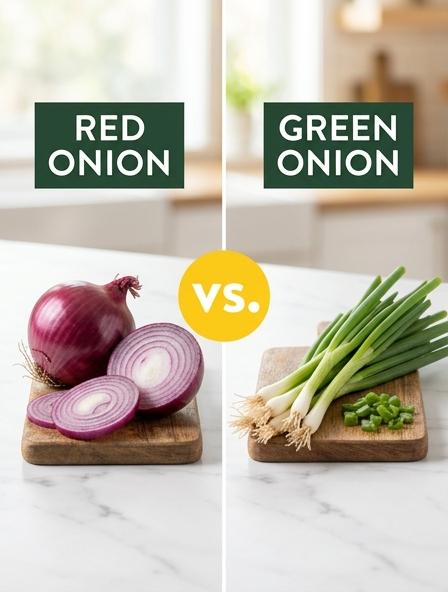
Flavor Intensity and Pungency Variations in Mature Bulbs and Fresh Stalks
Red onions and green onions provide contrasting flavor intensities based on their maturity. Red onions are fully developed bulbs containing higher concentrations of sulfur compounds, which produce a sharp, spicy, and lingering pungency. In contrast, green onions-also known as scallions-are harvested early, resulting in a milder, more delicate taste that leans toward sweetness.
- Red Onion: High pungency, crisp texture, and a bold spicy kick.
- Green Onion: Low intensity, grassy notes, and a gentle peppery finish.
The culinary application depends on the desired impact; red onions provide structural heat, while green onions offer a fresh aromatic lift. You might choose the aggressive bite of raw red onions to cut through the richness of a gourmet beef burger, while opting for finely chopped green onions to add a subtle, bright layer to a delicate homemade egg salad.
Nutritional Profiles and Antioxidant Concentrations of Pigmented and Green Alliums
Red and green onions offer distinct health advantages driven by their unique phytochemical compositions. Red onions are renowned for their high concentrations of anthocyanins-the pigments responsible for their deep purple hue-and quercetin, a potent flavonoid that supports cardiovascular health. In contrast, green onions (scallions) excel in micronutrients typically found in leafy vegetables.
- Red Onions: Superior source of dietary fiber and heart-healthy flavonoids.
- Green Onions: Rich in Vitamin K, Vitamin C, and chlorophyll for bone health and immunity.
While red varieties contain higher total polyphenol content, green onions provide a lower-calorie option packed with essential fat-soluble vitamins. Choosing between them often depends on whether you prioritize the anti-inflammatory power of pigmented alliums or the fresh nutrient density of young greens. You might choose sliced red onions to add a sharp, antioxidant-rich crunch to your Mediterranean salad or toss chopped green onions over a steaming bowl of miso soup for a delicate, vitamin-packed finish.
Heat Performance and Structural Integrity of Dense and Slender Varieties
Thermal application reveals the fundamental physical differences between dense red onions and slender green onions. Red onions feature robust, multi-layered skins with high sugar concentrations, allowing them to maintain their structural integrity during prolonged exposure to heat. They soften into a jammy consistency without disintegrating, making them superior for roasting and grilling.
In contrast, green onions are high-moisture, low-density aromatics. Their slender anatomy means they lose turgor pressure almost instantly when sautéed or boiled.
- Red Onion: Resists cellular collapse; ideal for slow caramelization and high-heat charring.
- Green Onion: Rapidly wilts; best utilized in high-speed stir-fries or as a residual heat garnish.
Home chefs love charring thick red onion wedges on a backyard grill to achieve a smoky, tender texture that perfectly complements a juicy steak.
Visual Impact and Color Contrast in Daily Plate Presentation
Choosing between red and green onions significantly alters the visual narrative of a dish. Red onions offer a deep, sophisticated magenta that provides a sharp color contrast, particularly effective in light-colored salads or atop pale cheeses. Conversely, green onions deliver a bright, youthful emerald that implies garden-fresh quality and lightness.
- Red Onion: Provides bold, structural lines and a royal purple hue that stands out against neutral backgrounds like grains or poultry.
- Green Onion: Offers a delicate "confetti" effect, perfect for breaking up the visual monotony of dark stews or golden stir-fries.
Whether you are layering translucent crimson rings over a white-fish ceviche or finishing a steaming bowl of miso soup with a handful of bright green rounds, You will notice how these specific color choices instantly elevate the perceived freshness and professional aesthetic of your meal.
Digestive Sensitivity and Sulfur Concentration in Different Growth Stages
The intensity of an onion's flavor and its impact on digestion are directly linked to sulfur concentration, which fluctuates significantly throughout the plant's life cycle. Understanding these stages helps in managing gastrointestinal comfort:
- Green Onions: Harvested during the immature growth stage, scallions contain lower sulfur concentrations. The green tops are particularly low in fructans, making them a gentler choice for those with IBS or sensitive stomachs.
- Red Onions: As fully mature bulbs, they store high levels of organosulfur compounds. While these provide potent antioxidants, the maturity level increases the likelihood of triggering bloating or heartburn in sensitive individuals.
This chemical evolution means that as the onion matures from a sprout to a bulb, it trades digestive ease for a more complex, pungent nutrient profile.
You might prefer garnishing your street tacos with fresh green onion tops if you want that signature savory crunch without the lingering digestive heaviness often caused by raw red onion slices.
Storage Durability and Moisture Retention Needs for Produce Staples
The shelf life of onions depends heavily on their moisture content and curing process. Red onions are considered "dry" onions; they undergo a curing period where their outer skins harden, allowing them to last for months in cool, dark, and well-ventilated spaces. Green onions, or scallions, are "wet" produce. Because they are harvested with their living green tops, they possess high respiration rates and lose moisture rapidly, leading to wilting within days if not properly refrigerated.
- Red Onions: Best kept in mesh bags or breathable baskets at room temperature to prevent rot.
- Green Onions: Best kept in the refrigerator, ideally standing upright in a jar with an inch of water.
Imagine You are prepping a gourmet meal and find that while your red onions have remained firm for weeks in the pantry, your green onions require a quick hydration trick to stay crisp for your salad.
Texture Contrast and Mouthfeel in Raw and Cooked Applications
The structural differences between red and green onions dictate their tactile impact on a recipe. Red onions are prized for their thick, succulent layers that offer a satisfying, audible crunch in raw preparations. When exposed to heat, they transition to a tender, slightly jammy consistency while maintaining enough body to provide a distinct bite.
Green onions, or scallions, provide a more delicate contrast. Their hollow green tops offer a soft, leafy snap, while the small white bulbs are crisp yet far less dense than a mature red onion. Under heat, green onions wilt rapidly, integrating seamlessly into sauces or stir-fries.
- Red Onion: Best for firm, chunky textures in salads, pickles, or burgers.
- Green Onion: Ideal for subtle, tender layers in omelets, dips, or soups.
You will appreciate the bold, toothsome snap of red onions in a vibrant summer salsa, whereas a final flourish of thinly sliced green onions adds a silky, weightless freshness to your favorite bowl of ramen.
Influence on Dish Moisture and Consistency During Sautéing
The structural composition of red versus green onions dictates how they alter a dish's moisture profile. Red onions have a dense, multilayered bulb with significant sugar content. During sautéing, they release water slowly, allowing the sugars to caramelize and creating a thick, jammy consistency that builds body in a sauce.
Conversely, green onions-specifically the hollow green stalks-contain high moisture and thin cell walls. They wilt rapidly under heat, contributing liquid quickly without adding much physical bulk. The differences are summarized below:
| Onion Type | Sauté Impact | Consistency |
|---|---|---|
| Red Onion | Slow moisture release | Soft and structural |
| Green Onion | Rapid wilting | Delicate and fleeting |
Professional chefs prefer using red onions for a rich, slow-simmered bolognese, whereas home cooks love adding sliced green onions to a hot wok at the final moment for a vibrant, crisp finish.
Chemical Reactions and Aroma Development During Food Preparation
Both red and green onions rely on the enzyme alliinase to trigger the release of volatile sulfur compounds when the cell walls are breached. Red onions contain a higher concentration of thiosulfinates, producing a pungent, biting aroma that transforms into a deep sweetness via the Maillard reaction during caramelization. Green onions, or scallions, feature a more delicate chemical profile:
- White Bulbs: Contain concentrated sulfides that offer a mild, onion-like zest when sautéed.
- Green Stalks: Rich in lipid-derived volatiles that provide fresh, grassy aromatic notes.
Temperature plays a critical role in these reactions; high heat quickly dissipates the subtle esters in green onions, whereas prolonged cooking stabilizes the complex sugars in red onions. You might prefer the sharp, peppery crunch of raw red onions in a summer Greek salad, or the delicate, aromatic finish of sliced green onions scattered over a steaming bowl of ginger-soy ramen.
Vitamin Density and Health Benefits of Bulb and Stem Alliums
Comparing red onions to green onions reveals distinct nutritional profiles tailored to different health goals. Red onions, a classic bulb allium, are renowned for their high concentration of anthocyanins and quercetin. These antioxidants are essential for cardiovascular health and reducing systemic inflammation. Conversely, green onions (scallions) provide significantly higher levels of essential vitamins found within their green stalks.
| Nutrient Focus | Red Onion (Bulb) | Green Onion (Stem) |
|---|---|---|
| Primary Vitamins | Vitamin C, B6 | Vitamin K, Vitamin A |
| Antioxidants | Anthocyanins | Lutein |
| Health Benefit | Heart Health | Bone & Eye Health |
Fitness enthusiasts often toss raw red onions into Mediterranean salads for a flavonoid boost, while home cooks sprinkle fresh green onions over hot ramen to add a nutrient-dense crunch of Vitamin K.
Red Onion vs Green Onion source and external links
- Red onions are bulbous vegetables with purplish-red skin and a mild to sweet flavor that makes them ideal for raw consumption in salads and sandwiches.
- Green onions, also known as scallions, are harvested while their bulbs are still small and are prized for their long, edible green stalks.