
Red Kuri Squash vs Yellow Kuri Squash: Which is Best for Roasting, Nutrition, and Flavor?
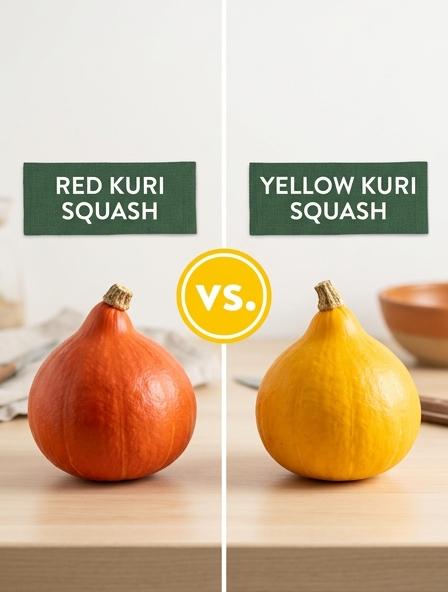
Texture and Flesh Density Variations for Roasting
When roasting, the primary distinction between Red and Yellow Kuri squash lies in their cellular structure and moisture levels. Red Kuri squash is renowned for its dense, non-fibrous flesh that mimics the creamy consistency of roasted chestnuts. Because it contains less water, it holds its shape exceptionally well under high heat, developing a crisp exterior while remaining tender inside.
Conversely, Yellow Kuri varieties often feature a slightly more delicate density. While still velvety, they tend to caramelize faster due to a higher concentration of natural sugars. Key roasting attributes include:
- Red Kuri: High density and starchy profile; ideal for "al dente" roasted wedges.
- Yellow Kuri: Medium density and higher sweetness; perfect for rapid browning and soft textures.
Home chefs often prefer roasting Red Kuri slices skin-on to create a stunning, caramelized side dish that offers a satisfying, starchy bite without falling apart on the plate.
Nutritional Profiles and Vitamin Content Comparison
Both Red and Yellow Kuri squash are nutrient-dense winter varieties, but they offer subtle differences in their chemical makeup. Red Kuri squash is particularly famous for its deep orange flesh, which signals an exceptionally high concentration of beta-carotene. This precursor to Vitamin A is essential for maintaining healthy vision and a robust immune system. Yellow Kuri squash, while slightly milder in pigment, remains an excellent source of dietary fiber and essential minerals.
- Vitamin A: Higher in the Red Kuri due to intense carotenoid levels.
- Vitamin C: Both varieties provide antioxidants to support skin health.
- Potassium & Iron: Crucial for heart health and oxygen transport in the blood.
- Low Glycemic Index: Both help in managing blood sugar levels effectively.
While the Red Kuri is often favored for its higher antioxidant punch, the Yellow Kuri is prized for its balanced mineral content. You might choose the vibrant Red Kuri to craft a velvety, immunity-boosting soup that helps your family stay healthy throughout the cold winter months.
Natural Sweetness and Flavor Profile Differences
While both varieties belong to the Hubbard family, their flavor nuances set them apart. Red Kuri is celebrated for its "potimarron" profile, offering a rich, chestnut-like depth and concentrated sweetness. Yellow Kuri, though similar, typically features a more delicate, buttery finish and a slightly milder sugar content. Their starch levels also differ, impacting how the palate perceives their natural sugars during caramelization.
| Feature | Red Kuri Squash | Yellow Kuri Squash |
|---|---|---|
| Primary Notes | Roasted chestnut, earthy | Mild nuttiness, buttery |
| Sweetness Level | High / Intense | Moderate / Delicate |
Home cooks often choose the Red Kuri's robust sweetness for a velvety autumn soup paired with ginger, while the Yellow Kuri shines when roasted in simple wedges to let its subtle notes complement a crisp seasonal salad.
Skin Edibility and Preparation Requirements
Both Red and Yellow Kuri squash are celebrated for their thin, delicate skins that become tender and entirely edible once cooked. Unlike tougher winter varieties, these gourds require no peeling, saving significant preparation time while retaining nutrients. While both skins soften beautifully, Red Kuri is often favored for its slightly smoother texture, whereas Yellow Kuri skin remains firm enough to hold its shape well in stews.
- Cleaning: Scrub the exterior thoroughly to remove soil.
- Seeding: Slice the squash in half and scoop out the inner pulp.
- Cutting: Chop the unpeeled flesh into cubes or wedges for roasting.
You can toss unpeeled Red Kuri wedges with olive oil and rosemary for a rustic roasted side dish that features a vibrant, nutrient-dense skin that melts in your mouth.
Culinary Performance in High Heat versus Simmering
Red Kuri and Yellow Kuri squashes exhibit unique textural transitions depending on the cooking method. High-heat applications, such as roasting or grilling, favor the Red Kuri due to its dense, low-moisture flesh. Under dry heat, it undergoes intense caramelization, developing a concentrated, chestnut-like sweetness while maintaining its physical shape. Conversely, both varieties perform exceptionally well when simmered, though the Yellow Kuri is often noted for its slightly softer fibers.
- High Heat: Best for Red Kuri to achieve charred edges and a firm, fudge-like interior.
- Simmering: Ideal for both varieties as they disintegrate into a naturally velvety, cream-like consistency in soups.
While the Red variety is a chef's favorite for dry browning, the Yellow Kuri is prized for its ability to melt seamlessly into golden broths. You will love roasting thick Red Kuri wedges with rosemary and sea salt when you want a robust, skin-on side dish that retains its beautiful crescent shape on the plate.
Visual Presentation and Color Stability in Dishes
Choosing between Red and Yellow Kuri squash often depends on the desired aesthetic impact of the final dish. Red Kuri squash is renowned for its vibrant, tear-drop shape and deep orange-red skin that maintains its brilliance even after roasting. In contrast, Yellow Kuri offers a more muted, golden-yellow hue that provides a sophisticated, sunny appearance.
- Red Kuri: Offers a high-contrast look, making it ideal for rustic mashes and decorative wedges where the skin remains visible.
- Yellow Kuri: Delivers a creamy, pale consistency that blends beautifully into light-colored veloutés or summer-themed stews.
While both varieties feature edible skins, the Red Kuri's peel provides a more dramatic color pop in purees. You might prefer the vibrant Red Kuri when hosting an autumn dinner party, as its fire-orange skin stays stunningly bright after roasting, creating a centerpiece that looks as rich as it tastes.
Moisture Content and Effect on Puree Consistency
Red Kuri and Yellow Kuri squash differ significantly in their internal hydration levels, which directly impacts the texture of culinary purees. The Red Kuri is prized for its notably low moisture content and high starch density, producing a thick, concentrated puree with a velvety, chestnut-like consistency. In contrast, the Yellow Kuri features a slightly higher water-to-flesh ratio. While still drier than standard pumpkins, its puree is naturally smoother and less "floury" than its red counterpart, making it easier to emulsify.
| Squash Variety | Moisture Profile | Puree Texture |
|---|---|---|
| Red Kuri | Very Low (Dry) | Dense and Pastry-like |
| Yellow Kuri | Moderate-Low | Creamy and Fluid |
You will find the Red Kuri perfect for a robust, stand-up mash that holds its shape, whereas the Yellow Kuri is the ideal choice for creating a naturally silky soup base without needing excess heavy cream.
Storage Stability and Shelf Life for Home Kitchens
Red and Yellow Kuri squash are celebrated for their impressive shelf life, making them staples for winter meal planning. Both varieties feature dense flesh and relatively tough rinds that protect against spoilage, though subtle differences exist in their longevity.
- Red Kuri: Typically maintains peak quality for 2 to 3 months. Its skin is slightly thinner, which is excellent for edible use but makes it more susceptible to moisture loss over time.
- Yellow Kuri: Generally lasts 3 to 4 months. These varieties often possess a marginally thicker cuticle, offering a stronger defense against environmental humidity.
For optimal stability, keep them in a cool, dry place around 50-55°F. Avoid storing them directly on concrete floors or in damp cupboards, as proper airflow prevents the development of soft spots and mold.
You can keep a Red Kuri in your pantry as a reliable backup ingredient, knowing it will retain its signature chestnut-like sweetness for a spontaneous roasted vegetable platter weeks after purchase.
Fiber Density and Dietary Health Impact
Both Red and Yellow Kuri squash are nutritional powerhouses, particularly regarding their high dietary fiber content. This fiber density is essential for maintaining digestive regularity and supporting a healthy gut microbiome. While their caloric profiles remain low, the complex carbohydrates found in these squashes provide a steady energy release.
- Metabolic Support: High fiber slows glucose absorption, aiding in blood sugar management.
- Satiety: The dense flesh promotes a feeling of fullness, which is beneficial for weight management.
- Skin Nutrients: The edible skins of both varieties significantly boost total insoluble fiber intake.
Red Kuri is often favored for its slightly higher starch-to-fiber ratio, offering a creamier texture when pureed, whereas Yellow Kuri remains a versatile, fibrous option for light stews. You will love roasting Red Kuri slices with the peel intact for a crispy, high-fiber snack that satisfies savory cravings without the glycemic crash of traditional chips.
Heat Retention and Softening Points During Cooking
Understanding the thermal properties of Kuri squash is essential for achieving the perfect culinary texture. While both varieties share a characteristic teardrop shape, their specific internal densities influence how they react to high temperatures during roasting or boiling.
- Red Kuri: Possesses a higher starch-to-water ratio, allowing it to retain heat significantly longer and maintain structural integrity during prolonged roasting.
- Yellow Kuri: Tends to have a slightly higher moisture content, leading to a faster softening point and a natural tendency to dissolve into silkier textures.
The dense flesh of the Red Kuri requires a consistent internal temperature to transform its starch into sugars, whereas the Yellow Kuri reaches its peak tenderness several minutes sooner. Because of these differences, home cooks prefer using the Red Kuri for hearty roasted wedges that stay warm on the dinner table, while the Yellow Kuri is the go-to choice for a quick-simmered, velvety autumnal soup that melts in the mouth.
Red Kuri Squash vs Yellow Kuri Squash source and external links
- The Red Kuri Squash is a thin-skinned, tear-drop shaped winter squash prized for its sweet, nutty flavor reminiscent of chestnuts.
- The Yellow Kuri Squash is a bright, sunny-colored variety known for its smooth, creamy texture and mild sweetness.
When comparing Red Kuri squash versus Yellow Kuri squash for culinary excellence, the Red Kuri variety typically takes the lead for roasting due to its intense, chestnut-like sweetness and dense, creamy texture. While both cultivars belong to the Cucurbita maximus family and boast impressive nutritional profiles rich in beta-carotene, fiber, and Vitamin A, Red Kuri offers a more concentrated flavor compared to the milder, more delicate Yellow Kuri. For high-heat roasting, the thin, edible skins of both varieties caramelize beautifully, yet Red Kuri's vibrant flesh achieves a superior buttery consistency. Ultimately, choosing Red Kuri provides a bold, gourmet experience, whereas Yellow Kuri serves as a versatile, nutritious base for diverse seasonings. Both squashes remain seasonal essentials that simplify meal preparation while delivering significant health benefits.