
Red Chilli Powder vs Kashmiri Chilli Powder: The Differences in Pungency, Natural Pigmentation, and Culinary Performance.
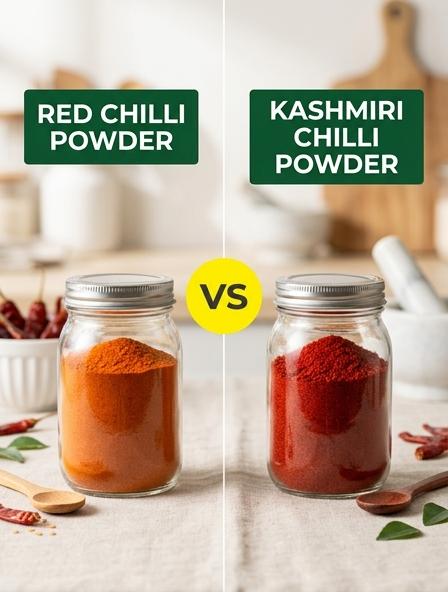
Differences in Pungency Levels for Home Cooking
The primary distinction between regular red chilli powder and Kashmiri chilli powder lies in their heat intensity and pigment concentration. Regular red chilli powder is derived from various pungent dried chillies, designed to provide a sharp, fiery kick to dishes. Conversely, Kashmiri chilli powder is celebrated for its mildness and its ability to impart a vibrant, deep red color without overwhelming the taste buds.
| Feature | Regular Red Chilli | Kashmiri Chilli |
|---|---|---|
| Pungency | High (Spicy) | Low (Mild) |
| Color | Orange-Red | Bright Crimson |
While standard powders focus on Scoville heat units to add spice, the Kashmiri variety is valued for its fruity undertones and aesthetic appeal. You will love using Kashmiri powder when preparing a classic Rogan Josh or Tandoori Chicken to achieve that signature restaurant-style red glow without making the meal too spicy for children or sensitive palates.
Natural Pigment Strength and Visual Result
The primary distinction between these two spices lies in their concentration of capsanthin, the natural carotenoid responsible for red color. Kashmiri chilli powder is prized for its high pigment content, which dissolves beautifully in fats to create a deep, ruby-red sheen. In contrast, standard red chilli powder contains more capsaicin (heat) but lower pigment levels, often resulting in a paler, brownish-orange appearance when cooked.
| Chilli Variety | Color Output | Pigment Strength |
|---|---|---|
| Kashmiri Chilli | Vibrant Crimson | High |
| Regular Red Chilli | Muted Brick Red | Moderate |
Home chefs often reach for Kashmiri powder when preparing Rogan Josh or Tandoori starters to achieve that signature "restaurant-style" glow that looks incredibly spicy but remains mild enough for the whole family to enjoy.
Impact on Digestive Wellness and Sensitivity
The primary difference between regular red chilli powder and Kashmiri chilli powder lies in their capsaicin content, which directly influences gastrointestinal comfort. Capsaicin is the compound responsible for heat, but it can also act as an irritant to the stomach lining in high concentrations.
- Regular Red Chilli Powder: High in capsaicin; can trigger acid reflux, heartburn, or flare-ups in individuals with IBS or sensitive stomachs.
- Kashmiri Chilli Powder: Low in capsaicin; provides a vibrant red pigment without the intense pungency, making it a gut-friendly alternative for mild seasoning.
For those managing digestive sensitivity, opting for the Kashmiri variety allows for flavorful, colorful cooking without the typical post-meal burning sensation. You might find yourself reaching for Kashmiri powder when preparing a rich, crimson-colored curry for a family dinner where you want the visual appeal of spice without causing anyone midnight indigestion.
Performance During Sautéing and Oil Tempering
The reaction of chilli powders to hot fat-a process often called blooming or tempering-dictates the final profile of a dish. Because the primary compounds in chillies are oil-soluble, their behavior during sautéing differs based on their chemical makeup:
- Red Chilli Powder: High in capsaicin, it releases a sharp, pungent aroma when tempered. It provides an immediate "kick" but can turn acrid or bitter if sautéed for too long at high temperatures.
- Kashmiri Chilli Powder: Rich in natural pigments with minimal heat. When introduced to oil or ghee, it bleeds a vibrant, deep-red color almost instantly, offering a mild, smoky essence without the stinging spice.
To achieve a professional aesthetic, many home cooks bloom Kashmiri powder in hot ghee at the final stage of tempering to give their Dal Tadka a signature restaurant-style ruby finish.
Variation in Vitamin and Mineral Content
While both spices originate from the Capsicum family, their nutritional profiles differ slightly based on their potency and pigment concentration. Regular red chilli powder is typically higher in capsaicin, which is linked to metabolic benefits, but it also provides significant amounts of Vitamin A and Vitamin C. Kashmiri chilli powder, characterized by its deep red hue, is exceptionally rich in antioxidants like beta-carotene and Vitamin C, even if it offers less heat.
- Vitamin A: Essential for vision and immune health.
- Vitamin C: A powerful antioxidant that aids collagen production.
- Iron and Manganese: Vital minerals for blood health and bone formation.
- Potassium: Helps maintain healthy blood pressure levels.
The drying process preserves these micronutrients, making both varieties a healthy addition to a balanced diet. You might choose the Kashmiri variety when you want to achieve a vibrant, restaurant-style glow in a mild butter chicken without adding the intense pungency of standard red chilli.
Aromatic Profile Influence on Traditional Dishes
The aromatic distinction between standard red chilli powder and Kashmiri chilli powder fundamentally alters the culinary character of a dish. Regular varieties are prized for their pungent, sharp aroma and intense capsaicin levels, making them essential for high-heat curries. Conversely, Kashmiri chilli powder offers a mild, slightly smoky, and fruity scent that enhances flavor complexity without overwhelming the palate.
- Red Chilli Powder: Delivers a piercing heat and a stinging, peppery fragrance.
- Kashmiri Chilli Powder: Provides a rich, crimson hue and a gentle, earthy aroma.
Home chefs often reach for the Kashmiri variant when preparing a vibrant Rogan Josh, ensuring a deep red visual appeal that satisfies guests who prefer a mild, flavorful warmth over intense spiciness.
Shelf Life and Color Stability Over Time
Both standard red chilli powder and Kashmiri chilli powder typically offer a shelf life of six to twelve months when stored correctly. However, their degradation patterns differ. Kashmiri chilli powder is prized for its high natural pigment content, which is significantly more sensitive to light and heat than the pungent compounds found in regular red chilli powder. Over time, oxidation can cause the brilliant crimson of Kashmiri varieties to fade into a duller brown.
- Storage: Airtight glass containers are essential to prevent moisture clumps.
- Environment: A cool, dark cupboard preserves color better than a spice rack near the stove.
- Freshness: Regular chilli powder retains its "heat" longer than Kashmiri retains its "color."
Home cooks often prefer buying Kashmiri chilli powder in smaller, frequent batches to ensure their festive biryanis and tandoori dishes always achieve that signature, vibrant red glow that guests love.
Effect on Sauce Texture and Gravy Thickness
The choice between red chilli powder and Kashmiri chilli powder significantly influences the physical body of your culinary creations. Regular red chilli powder is highly concentrated in heat, meaning it is typically used in smaller quantities, which provides a negligible impact on the gravy's overall viscosity.
In contrast, Kashmiri chilli powder is prized for its mildness, allowing for larger volumes to be incorporated into a dish. This increased volume acts as a natural thickening agent, adding substantial bulk and a pulpy consistency to the liquid base, resulting in a richer, more velvety sauce texture.
- Regular Red Chilli: Fine particles used sparingly; primarily adds piquancy without altering fluid density.
- Kashmiri Chilli: High-volume usage creates a thicker, more opaque, and emulsified sauce profile.
You may find that using Kashmiri chilli is the secret to achieving that signature thick, crimson glaze in a classic Butter Chicken without overwhelming your palate with intense heat.
Concentration of Capsaicin and Health Implications
The fundamental difference between regular red chilli powder and Kashmiri chilli powder lies in their capsaicin concentration. Capsaicin is the bioactive compound responsible for heat; standard red chillies contain high levels, offering potent thermogenic properties that can boost metabolism. Conversely, Kashmiri chillies are mild, possessing low capsaicin but high amounts of antioxidants and vitamins A and C, making them gentler on the digestive tract.
| Chilli Type | Capsaicin Level | Primary Health Benefit |
|---|---|---|
| Regular Red | High | Metabolic boost and pain relief |
| Kashmiri | Low | Rich in antioxidants and skin health |
Home cooks frequently choose Kashmiri chilli powder when they want to achieve a signature deep-red glow in their Rogan Josh without making the dish too spicy for guests with sensitive stomachs.
Balancing Vibrant Appearance with Taste Intensity
Choosing between standard red chilli powder and Kashmiri chilli powder is a strategic decision between Scoville heat levels and visual appeal. While regular red chilli powder is processed to provide a sharp, pungent kick, Kashmiri powder is prized for its ability to impart a deep, ruby-red hue with minimal heat intensity.
| Feature | Regular Red Chilli | Kashmiri Chilli |
|---|---|---|
| Heat Profile | High Pungency | Mild/Low Heat |
| Color Depth | Brick Red | Vibrant Crimson |
Understanding this balance allows chefs to control the capsaicin impact without sacrificing the dish's aesthetic vibrancy. Many professional cooks blend both varieties to achieve a customized equilibrium of "glow" and "burn" that suits specific regional palettes.
Home cooks love using Kashmiri chilli powder in Tandoori chicken or Rogan Josh to achieve that signature bright red restaurant look without making the meal overwhelmingly spicy for children or guests.
Red Chilli Powder vs Kashmiri Chilli Powder source and external links
- Red chilli powder is a pungent spice made from ground dried chilies, widely used to add intense heat and a vibrant red hue to a variety of global cuisines. Red Chilli Powder
- Kashmiri chilli powder is highly valued for its mild heat level and deep crimson color, making it the perfect ingredient for enhancing the visual appeal of dishes without making them overly spicy. Kashmiri Chilli Powder