
Red Chili Powder vs Red Chile Powder : Comparing Ingredients, Heat Levels, and Culinary Application Differences
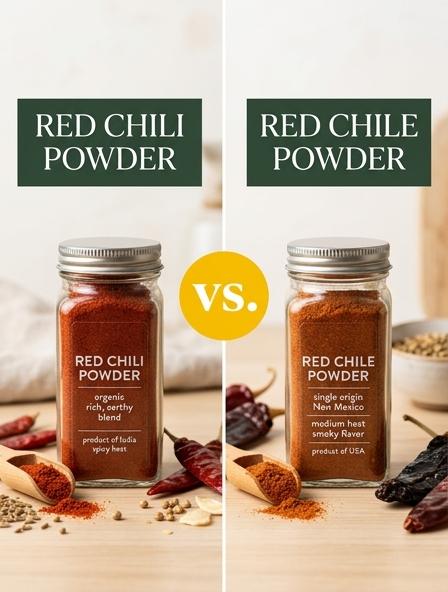
Flavor Profile Comparison Between Spice Blends and Pure Pepper
The primary distinction between red chili powder and red chile powder lies in their ingredient composition. Red chili powder (spelled with an "i") is a processed spice blend. It combines ground peppers with savory additives like cumin, garlic powder, and oregano to create a balanced, "Tex-Mex" profile. In contrast, red chile powder (spelled with an "e") is a single-ingredient product consisting solely of ground dried peppers, offering the unadulterated essence of a specific variety.
- Chili Powder (Blend): Earthy, salty, and complex; provides a "taco seasoning" aroma.
- Chile Powder (Pure): Intense and focused; flavors range from smoky and raisiny to sharp and biting.
A home cook might choose a pure Ancho chile powder to add a deep, fruity richness to a gourmet mole sauce without the distracting flavors of cumin or added salt found in standard blends.
Sodium Content and Health Impact of Common Kitchen Seasonings
Understanding the distinction between red chili powder and red chile powder is vital for cardiovascular health. While the names are often used interchangeably, their nutritional profiles differ significantly due to hidden additives found in commercial blends.
- Red Chili Powder: Usually a spice blend that includes cumin, oregano, garlic, and significant amounts of added sodium.
- Red Chile Powder: Typically consists of 100% pure ground dried peppers with no added salt or preservatives.
For individuals managing hypertension or kidney health, the hidden salt in "chili" blends can inadvertently spike daily sodium intake. Pure "chile" powder offers a heart-healthy alternative, providing the metabolism-boosting benefits of capsaicin without the blood-pressure risks associated with processed seasonings.
Imagine a home cook preparing a heart-healthy pot of Sunday chili; they reach for pure "chile" powder to maintain full control over the salt levels without sacrificing the heat.
Heat Intensity and Scoville Ratings in Home Cooking
Understanding the difference between these two powders is crucial for managing Scoville Heat Units (SHU) in your recipes. Red chili powder is typically a spice blend containing cumin, garlic, and salt, resulting in a consistent but moderate heat. Conversely, red chile powder is made of 100% ground dried peppers, meaning its intensity depends entirely on the specific pepper variety used.
- Ancho Chile Powder: 1,000 – 1,500 SHU (Mild and sweet)
- Standard Chili Blend: 2,000 – 3,000 SHU (Moderate warmth)
- Cayenne Chile Powder: 30,000 – 50,000 SHU (Intense heat)
While blends offer a balanced flavor profile, pure chile powders provide precision for those seeking specific heat levels. You might reach for a pure New Mexico chile powder when you want to create an authentic, deep-red enchilada sauce that highlights the pepper's natural earthiness without the distractions of added cumin or oregano found in standard chili blends.
Visual Color Depth and Presentation in Sauces
The visual distinction between red chili powder and red chile powder becomes most apparent when these spices are emulsified into fats or liquids. Pure red chile powder, consisting solely of ground dried peppers, offers a vibrant, saturated pigment ranging from bright vermilion to deep burgundy. This results in a glossy, high-clarity sauce with a consistent monochromatic hue.
In contrast, red chili powder is a blend containing anti-caking agents and earthy spices like cumin and oregano. These additions introduce brownish undertones and a characteristic "speckled" texture, which can make a sauce appear more opaque or rustic. Professionals often distinguish them based on the following visual traits:
- Pure Chile Powder: Yields a clean, translucent, and mirror-like crimson finish.
- Chili Powder Blend: Produces a textured, matte appearance with visible spice particles.
Home cooks often prefer the striking, jewel-toned finish of a pure Ancho chile powder when crafting a signature mole to impress guests with its professional, deep-red luster.
Culinary Performance in Braised and Slow Cooked Dishes
In the low-and-slow environment of a braise, the distinction between "Chile" and "Chili" powder becomes a matter of flavor architecture. Red chile powder, consisting of pure ground peppers, provides a deep, resinous foundation that matures over hours, releasing complex smoky or fruity notes without the interference of secondary spices. Conversely, red chili powder blends-which include cumin, garlic, and oregano-offer an immediate, well-rounded aromatic profile that permeates meat fibers consistently during the simmering process.
- Red Chile Powder: Best for building customized heat profiles and achieving authentic, single-origin pepper depth.
- Red Chili Powder: Ideal for time-saving convenience, providing a balanced, savory complexity to stews.
Home cooks often reach for a high-quality red chili powder when slow-simmering a classic pot of Texas-style beef chili to ensure a robust, multi-layered spice profile that tastes like it has been aging for days.
Presence of Cumin and Garlic in Pre-Mixed Varieties
The spelling distinction between "chile" and "chili" is often a primary indicator of the ingredient profile. Pure red chile powder consists exclusively of ground dried peppers, offering a singular, potent heat. In contrast, red chili powder is usually a spice blend designed for convenience. These pre-mixed varieties incorporate secondary ingredients to create a well-rounded flavor profile:
- Cumin: Adds an essential earthy, smoky aroma that defines Tex-Mex cooking.
- Garlic Powder: Provides a savory, pungent depth that balances the spicy notes of the peppers.
- Salt and Oregano: Often included to enhance the flavor of meats and stews.
Using a pre-mixed variety is a favorite shortcut for busy parents who want to guarantee a perfectly seasoned, aromatic pot of chili con carne for a cozy weeknight dinner.
Authenticity in Regional Southwestern Recipes
In the culinary landscape of the American Southwest, one vowel signifies a massive shift in flavor. Understanding the difference between these two products is the key to mastering regional authenticity.
- Red Chili Powder: This is a convenient spice blend. It typically contains ground chiles mixed with additives like cumin, oregano, salt, and garlic powder, primarily used for Tex-Mex style chili con carne.
- Red Chile Powder: This is 100% pure, ground dried chiles. It contains no extra seasonings or anti-caking agents. Varieties like New Mexico, Chimayó, or Ancho provide specific heat levels and earthy undertones.
Authentic recipes, particularly those from New Mexico, rely on the purity of chile powder to create the deep, complex base for traditional sauces without the interference of heavy cumin notes found in commercial blends.
You will notice the superior depth and vibrant color immediately when you choose pure Hatch red chile powder to simmer a traditional Sunday morning batch of enchilada sauce.
Aroma Strength and Volatile Oil Retention
The primary sensory difference between these two products lies in their concentration of essential compounds. Pure Red Chile Powder consists solely of pulverized dried peppers, which helps it retain a high density of volatile oils. These oils are responsible for the intense, earthy, and sometimes fruity fragrance specific to the pepper variety used.
In contrast, Red Chili Powder is a spice blend. Because it incorporates anti-caking agents and secondary spices like cumin and garlic, the potency of the chile's natural oils is diluted. This results in a broader, savory scent rather than a sharp, pepper-forward aroma.
| Feature | Red Chile Powder | Red Chili Powder |
|---|---|---|
| Oil Retention | High (Pure) | Low (Blended) |
| Scent Profile | Pungent & Specific | Complex & Savory |
You will likely prefer the pure Red Chile Powder when you want the deep, smoky fragrance of authentic New Mexican peppers to be the undisputed star of your signature dry rub.
Shelf Life and Potency in the Home Pantry
Proper storage is essential for maintaining the distinct flavor profiles of these spices. Both red chili powder (the blend) and pure red chile powder are highly sensitive to light, heat, and oxygen, which cause their volatile oils to dissipate. Pure chile powders, lacking the preservatives or salt often found in commercial blends, may lose their pungent "kick" and vibrant color more rapidly if exposed to kitchen humidity.
- Optimal Lifespan: Replace every 6 to 12 months for peak flavor.
- Freshness Sign: High-potency powder should have a deep red hue and a sharp, tickling aroma.
- Storage Tip: Use airtight glass jars kept in a cool, dark drawer rather than a spice rack near the stove.
Home chefs often find that swapping out a dusty, two-year-old jar for fresh-ground Guajillo chile powder instantly transforms a standard Tuesday night taco spread into a restaurant-quality feast with complex, smoky undertones.
Texture and Integration in Dry Rubs and Marinades
The physical composition of red chili powder versus red chile powder significantly impacts how seasonings adhere to proteins and emulsify in liquids. Because red chili powder is a blend containing anti-caking agents and coarser spices like cumin or dried garlic, it creates a robust, textured crust ideal for low-and-slow smoking. In contrast, pure red chile powder is typically more finely ground, allowing for seamless integration into oil-based marinades without leaving a gritty residue.
- Red Chili Powder: Best for creating "bark" on smoked meats due to its varied particulate size.
- Red Chile Powder: Ideal for smooth sauces and deep pigment penetration in wet brines.
Choosing the right grind ensures your flavor profile remains consistent whether you are searing at high heat or slow-roasting. You might prefer the rustic, pebbly finish of a chili powder blend on a rack of baby back ribs to achieve that classic, crunchy barbecue bark.
Red Chili Powder vs Red Chile Powder source and external links
- Commonly used in Tex-Mex cuisine, red chili powder is a versatile spice blend that often incorporates additional seasonings like cumin, garlic powder, and oregano.
- Distinct from blended varieties, red chile powder is typically composed of 100% pure ground dried chiles and serves as a foundational ingredient in authentic Southwestern cooking.