
Powdered Milk vs Whey Protein : Comparing Nutritional Value, Baking Performance, and Cost Effectiveness Differences
Nutritional Comparisons for Healthy Family Meal Planning
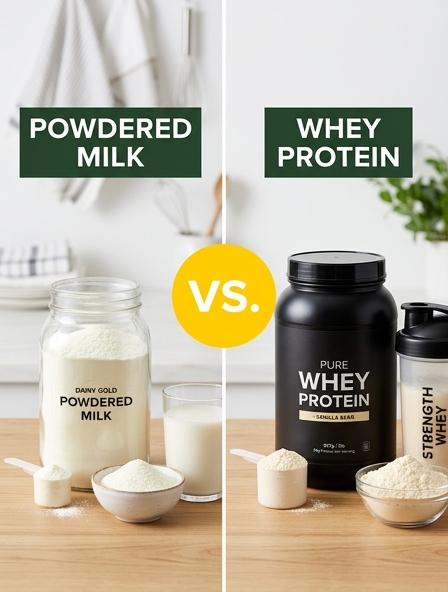
Choosing between powdered milk and whey protein depends on your family's specific dietary goals. Powdered milk is a whole-food product containing a balance of carbohydrates, fats, and proteins (both casein and whey). It is naturally rich in calcium and often fortified with vitamins A and D, making it ideal for general growth and bone health.
In contrast, whey protein is a concentrated supplement focused on high protein density with minimal fats and sugars. While it excels at muscle recovery, it lacks the comprehensive micronutrient profile found in dairy solids. Consider these primary differences:
- Powdered Milk: Provides lactose for energy and a complete electrolyte profile.
- Whey Protein: Offers a rapid-absorbing source of Branched-Chain Amino Acids (BCAAs).
- Versatility: Milk powder works in cooking; whey is best for cold shakes.
Many health-conscious parents stir a spoonful of powdered milk into morning oatmeal or homemade pancake batter to naturally boost their children's calcium and protein intake without altering the texture.
Baking Performance and Crumb Structure in Homemade Bread
In bread making, the choice between powdered milk and whey protein significantly alters the final crumb structure and crust development. Powdered milk contains lactose and milk fats that tenderize the dough by interfering slightly with gluten development, resulting in a soft, velvety texture and a rich, golden-brown crust due to the Maillard reaction. In contrast, pure whey protein can increase the protein density but may lead to a tougher, drier crumb if hydration levels aren't adjusted, as it lacks the softening fats found in whole or non-fat dry milk.
- Powdered Milk: Enhances moisture retention, prolongs shelf life, and softens the internal crumb.
- Whey Protein: Provides a structural boost and nutritional density but can result in a more open, less tender grain.
You might choose powdered milk for a classic, pillowy sandwich loaf that stays fresh for days, whereas whey protein is the go-to for those crafting a dense, functional high-protein bread for fitness-focused diets.
Heat Stability and Sauce Consistency in Daily Cooking
The culinary performance of powdered milk versus whey protein depends largely on their structural reaction to temperature. Powdered milk contains casein, a heat-stable protein that thrives in boiling environments, contributing to a smooth, velvety emulsion. Conversely, whey protein is highly thermolabile; when exposed to high heat, it denatures and coagulates, often resulting in a gritty or "broken" sauce texture.
| Feature | Powdered Milk | Whey Protein |
|---|---|---|
| Heat Response | Stable at boiling points | Clumps above 160°F |
| Thickening Ability | High (due to Casein) | Minimal |
Because of these properties, home cooks prefer whisking powdered milk into a simmering béchamel for a rich, consistent finish, whereas fitness enthusiasts typically stir whey into lukewarm oatmeal or cold shakes to avoid the unappealing texture of denatured protein.
Flavor Profiles in Sweet and Savory Dishes
The culinary impact of powdered milk versus whey protein stems from their unique compositions. Powdered milk contains lactose and milk fats, providing a rich, creamy, and nostalgic dairy sweetness. This makes it a versatile "flavor enhancer" that creates a smooth mouthfeel in both desserts and savory sauces.
Whey protein, particularly isolates, offers a more functional, lean profile. While unflavored whey is relatively neutral, it can carry a slight "yeasty" or medicinal tang that may disrupt delicate savory recipes. Most consumers find that whey protein performs best when paired with strong sweeteners or fruits.
- Powdered Milk: Best for Maillard reaction (browning) in breads and adding body to white sauces.
- Whey Protein: Ideal for boosting protein in smoothies, puddings, and cold desserts without adding significant fat.
Bakeries often rely on powdered milk to achieve a golden-brown crust on brioche, while athletes prefer whisking chocolate whey into Greek yogurt for a high-protein treat that tastes like dessert.
Protein Density and Caloric Impact per Serving
When evaluating nutritional efficiency, whey protein is significantly more concentrated than powdered milk. Whey undergoes filtration to isolate protein while removing most fats and lactose. In contrast, powdered milk is a whole-food product that retains natural sugars and lipids, leading to a higher caloric load per gram of protein.
- Whey Protein: Typically delivers 20–25g of protein for approximately 110–130 calories.
- Powdered Milk: Provides roughly 8g of protein per 150-calorie serving.
The disparity in macronutrient ratios means that to achieve a 25g protein intake, one would consume nearly triple the calories using powdered milk compared to a standard whey supplement. This makes whey the preferred choice for athletes managing strict caloric deficits. If you are a bodybuilder aiming to hit high protein targets while staying under a tight daily calorie cap, you will likely prefer the efficiency of a whey isolate shake over several cups of calorie-dense powdered milk.
Shelf Life and Storage Efficiency in the Home Pantry
When optimizing pantry space, both powdered milk and whey protein offer superior shelf stability compared to their liquid counterparts. Powdered milk is a long-term champion, often remaining viable for 2 to 10 years if stored correctly, whereas whey protein typically maintains peak quality for 12 to 24 months. Both products are highly space-efficient, providing concentrated nutrition without the bulk or refrigeration requirements of fresh dairy.
- Powdered Milk: Best for long-term emergency stockpiling and high-volume baking.
- Whey Protein: Ideal for daily nutritional supplementation and compact fitness storage.
To maintain potency, these powders should be kept in airtight containers in a cool, dark environment to prevent oxidation. Imagine a busy Monday morning where you skip the grocery run and simply scoop long-lasting powdered milk into your coffee or whey into your shaker, enjoying the convenience of a perfectly stocked, low-maintenance pantry.
Cost Effectiveness for Budget Conscious Kitchens
When managing a tight grocery budget, powdered milk is the clear winner over specialized whey protein. While whey provides a concentrated protein hit, it often carries a significant "supplement premium." In contrast, powdered milk offers a balanced nutritional profile-including calcium and Vitamin D-at a much lower price point per serving.
| Factor | Powdered Milk | Whey Protein |
|---|---|---|
| Price per Ounce | Economical | Premium |
| Kitchen Utility | Baking, cooking, drinking | Mainly Shakes |
By choosing milk powder, you gain a versatile pantry staple that fortifies recipes without the heavy financial investment required for processed isolates. You can whisk a half-cup of powdered milk into your morning muffin mix to add inexpensive nutrition and a rich, golden crust that your family will love.
Solubility and Clumping in Hot and Cold Liquids
The chemical composition of powdered milk and whey protein dictates how they dissolve across different temperatures. Powdered milk, containing fats and lactose, integrates best into warm liquids, though it can require significant agitation to avoid "fish-eyes" in ice-cold water.
In contrast, whey protein is extremely sensitive to heat. While it dissolves rapidly in cold water or milk when shaken, adding it to boiling liquids causes the proteins to denature and coagulate. This results in stubborn, rubbery clumps that cannot be stirred away.
- Powdered Milk: Optimal in warm temperatures; resistant but soluble in cold.
- Whey Protein: Optimal in cold or room temperature; clumps instantly in hot liquids.
To ensure a smooth consistency, it is generally recommended to add the powder to the liquid rather than pouring liquid over a dry base. You might choose powdered milk for a seamless stir into your hot morning oats, but you will definitely want a shaker bottle and cold water to keep your post-workout whey protein smooth and lump-free.
Digestive Wellness and Lactose Content for Sensitive Stomachs
When comparing powdered milk and whey protein, digestive comfort is largely determined by lactose levels. Powdered milk is a whole-food product containing all the natural sugars found in dairy, which can lead to bloating or gas for those with sensitivities. Conversely, whey protein undergoes various filtration processes to isolate protein from the liquid whey.
The impact on your gut depends on the specific form chosen:
- Powdered Milk: Contains high levels of lactose (~38–50%).
- Whey Concentrate: Retains some lactose and healthy fats.
- Whey Isolate: Highly filtered to be nearly lactose-free, ideal for sensitive stomachs.
While powdered milk offers a traditional nutritional profile, whey isolate is specifically engineered for easy absorption and gastrointestinal efficiency. You might reach for a clean whey isolate after a heavy workout if you want the muscle-building benefits of dairy without the digestive heaviness or "milk bloat" that often accompanies a standard glass of powdered milk.
Structural Impact on Doughs and Batters During Preparation
The choice between powdered milk and whey protein fundamentally changes the rheological properties of a mixture. Powdered milk contains casein, which functions as a structural stabilizer, improving water absorption and ensuring a fine, tender crumb. Its natural lactose also aids in moisture retention and consistent Maillard browning.
Whey protein behaves differently; while it increases the viscosity of batters, it lacks the softening properties found in milk solids. If used in excess without adjusting hydration, whey can result in a rubbery or dry texture due to its rapid protein coagulation during heating.
- Powdered Milk: Promotes a soft, elastic dough structure and enhances shelf life.
- Whey Protein: Provides a dense, protein-rich framework but may require additional fats to prevent toughness.
You might prefer powdered milk for achieving that signature pillowy texture in artisanal brioche, while choosing whey protein when you want to boost the nutritional profile of a quick-prep pancake batter.
Powdered Milk vs Whey Protein source and external links
- Powdered milk is a manufactured dairy product made by evaporating liquid milk to dryness, which allows for a significantly longer shelf life and easier transportation.
- Whey protein is a popular dietary supplement derived from the liquid byproduct of cheese production that provides a complete range of essential amino acids for muscle recovery.