
Pink Lady Apple vs Sweet Potato: The Differences in Nutritional Density, Culinary Performance, and Glycemic Impact.
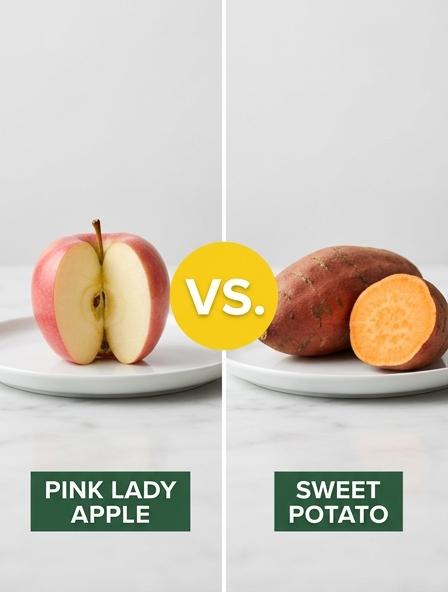
Nutritional Density Comparison of Pink Lady Apples and Sweet Potatoes
Comparing Pink Lady apples and sweet potatoes reveals two nutrient-dense powerhouses that serve distinct dietary roles. Pink Lady apples are celebrated for their high water content and Vitamin C, offering a crisp source of quick energy. In contrast, sweet potatoes are dietary staples for complex carbohydrates and fat-soluble vitamins, particularly Beta-carotene.
| Nutrient Focus | Pink Lady Apple | Sweet Potato |
|---|---|---|
| Primary Vitamin | Vitamin C (Immunity) | Vitamin A (Eye Health) |
| Fiber Type | Pectin (Soluble) | Insoluble & Soluble |
| Caloric Base | Simple Sugars | Complex Starches |
While the apple provides a refreshing burst of antioxidants to fight oxidative stress, the sweet potato offers the sustained glycemic fuel needed for heavy physical activity. Health-conscious meal preppers often roast sweet potatoes for a filling dinner base, while busy professionals keep a Pink Lady apple in their bag for a crunchy, hydrating midday pick-me-up.
High Heat Roasting Performance and Structural Texture Changes
Subjecting Pink Lady apples and sweet potatoes to high heat reveals significant differences in their structural evolution. While both benefit from caramelization, their cellular responses to thermal stress are distinct:
| Feature | Pink Lady Apple | Sweet Potato |
|---|---|---|
| Texture | Maintains firm, tender bite | Softens into a creamy mash |
| Sugar Reaction | High acidity preserves shape | Starch converts to syrupy maltose |
The Pink Lady's high pectin content ensures it resists the "mushiness" common in other varieties, allowing it to hold its architectural integrity. Conversely, the sweet potato's starches break down completely, resulting in a velvety interior and a charred, candy-like exterior. Home cooks love tossing these two together with rosemary and olive oil to create a vibrant sheet-pan side dish where the tart snap of the apple cuts through the dense, buttery sweetness of the roasted potato.
Natural Sugar Profiles and the Impact on Savory Caramelization
Understanding the distinct sugar structures of Pink Lady apples and sweet potatoes is essential for mastering flavor development. Pink Lady apples possess a high concentration of fructose and sucrose paired with malic acid, allowing them to caramelize quickly into a bright, tangy glaze. Conversely, sweet potatoes rely on the enzymatic breakdown of complex starches into maltose during slow cooking, resulting in a deeper, earthier sweetness.
| Attribute | Pink Lady Apple | Sweet Potato |
|---|---|---|
| Sugar Type | Fructose & Sucrose | Starch & Maltose |
| Browning Process | Rapid Caramelization | Maillard Reaction & Conversion |
While the apple provides a sharp, jammy contrast, the sweet potato offers a dense, savory mouthfeel that anchors a dish. Home cooks love roasting them together with sprigs of thyme, as the apple's syrupy juices seep into the sweet potato's charred, crispy edges for the ultimate autumn side dish.
Glycemic Index and Satiety Differences for Family Meal Planning
Understanding the glycemic impact of Pink Lady apples versus sweet potatoes is crucial for maintaining steady energy levels throughout the day. Pink Lady apples feature a low Glycemic Index (GI) of approximately 38, thanks to their high fiber and pectin content. Sweet potatoes are more complex; their GI varies significantly based on preparation. While boiled sweet potatoes remain low at around 46, roasting them can increase the GI to 94.
| Food Item | Average GI | Satiety Factor |
|---|---|---|
| Pink Lady Apple | Low (38) | High (Crunch & Pectin) |
| Sweet Potato (Boiled) | Low (46) | Very High (Complex Starch) |
Both options provide excellent satiety, making them staples for weight management and pediatric nutrition. Many parents choose to pack sliced Pink Lady apples for a crisp, low-glycemic school snack while serving mashed sweet potatoes during dinner to ensure children feel full and satisfied until morning.
Vitamin and Mineral Retention Through Common Cooking Methods
The nutritional integrity of Pink Lady apples and sweet potatoes depends heavily on preparation. Pink Lady apples are most beneficial when consumed raw, as heat quickly degrades their high Vitamin C and flavonoid content. Conversely, sweet potatoes require thermal processing to make their complex starches digestible, though the specific method determines how many micronutrients remain.
| Method | Pink Lady Apple | Sweet Potato |
|---|---|---|
| Raw | 100% Vitamin Retention | Difficult to Digest |
| Steaming | Moderate Vitamin C Loss | High Beta-Carotene Retention |
| Boiling | High Nutrient Leaching | Significant Potassium Loss |
You might enjoy eating a crisp, raw Pink Lady apple for an immediate antioxidant boost, while opting to steam your sweet potatoes to ensure you retain the maximum amount of Vitamin A for skin and eye health.
Dietary Fiber Composition and Digestive Health Impact
Both Pink Lady apples and sweet potatoes are exceptional sources of dietary fiber, yet they influence the digestive system through different mechanisms. Pink Lady apples are particularly high in pectin, a soluble fiber that acts as a prebiotic, fueling beneficial gut bacteria and slowing glucose absorption. In contrast, sweet potatoes provide a robust combination of soluble and insoluble fiber, including resistant starch, which adds significant bulk to the digestive tract and improves regular bowel movements.
- Pink Lady Apple: Primarily soluble fiber (pectin) which aids in stool softening and gut microbiome health.
- Sweet Potato: High insoluble fiber content which promotes peristalsis and long-term satiety.
Health-conscious individuals often grab a crisp Pink Lady apple for a quick, hydrating snack to soothe a sensitive stomach, or they meal-prep roasted sweet potatoes to ensure consistent digestive regularity throughout a busy work week.
Moisture Levels and Binding Properties in Healthy Baked Goods
When substituting refined ingredients, the choice between Pink Lady apples and sweet potatoes hinges on the desired structural outcome. Pink Lady apples possess a high water content and natural acidity, which helps tenderize gluten and provides a light, airy lift to cakes. In contrast, sweet potatoes are rich in complex starches and fiber, acting as a dense binding agent that holds ingredients together, often reducing the need for eggs or oil.
- Pink Lady Apple: High moisture release; ideal for hydration and a delicate crumb.
- Sweet Potato: High starch density; provides structural stability and a fudgy consistency.
While the apple's juice keeps sponges from drying out, the sweet potato's gelatinous texture is superior for heavy, flourless recipes. Home bakers often reach for mashed sweet potato to achieve a chewy, dense brownie, whereas they prefer folding in grated Pink Lady apples to ensure a moist and refreshing bite in morning breakfast bars.
Antioxidant Bioavailability and Long Term Wellness Benefits
Comparing Pink Lady apples and sweet potatoes reveals distinct pathways for nutrient absorption. Pink Lady apples are packed with quercetin and vitamin C, offering high bioavailability through their skin to support cardiovascular health and reduce inflammation. In contrast, sweet potatoes excel in beta-carotene, a precursor to Vitamin A that requires dietary fats for maximum systemic uptake and immune support. Integrating both ensures a broad spectrum of cellular protection against oxidative stress.
| Nutrient Factor | Pink Lady Apple | Sweet Potato |
|---|---|---|
| Primary Antioxidant | Flavonoids (Quercetin) | Carotenoids (Beta-Carotene) |
| Bioavailability Tip | Consume raw with peel | Cook with healthy oils |
Health enthusiasts often enjoy slicing a crisp Pink Lady for a refreshing post-workout snack, while roasting sweet potatoes with a drizzle of olive oil for a nutrient-dense dinner that supports a long-term healthy glow.
Flavor Profile Contrasts Between Tart and Earthy Ingredients
Comparing the Pink Lady apple to the sweet potato highlights a fascinating culinary intersection of acidity and earthiness. Pink Lady apples are celebrated for their high acid content, delivering a sharp, effervescent tang that cuts through heavy flavors. In contrast, sweet potatoes provide a grounded, caramel-like sweetness with deep umami undertones and a starchy density.
| Attribute | Pink Lady Apple | Sweet Potato |
|---|---|---|
| Primary Flavor | Tangy & Refreshing | Savory & Sugary |
| Texture | Crisp & Crunchy | Soft & Velvety |
Home chefs often toss these ingredients together in a harvest skillet, where the apple's vibrant acidity cuts through the dense richness of roasted tubers for a perfectly balanced autumn side dish.
Caloric Density and Sustained Energy Release in Daily Diets
Understanding the metabolic impact of a Pink Lady apple versus a sweet potato requires looking at caloric density and carbohydrate structure. The Pink Lady apple is water-dense and lower in calories, providing immediate energy through fructose. Conversely, the sweet potato is more calorically dense, packed with complex starches that require more time to break down, resulting in a slower, more stable release of glucose into the bloodstream.
- Pink Lady Apple: Low caloric density (approx. 52 kcal/100g), high fiber (pectin), and quick glycogen replenishment.
- Sweet Potato: Medium caloric density (approx. 86 kcal/100g), rich in complex carbs, and excellent for long-term satiety.
While the apple provides a sharp, refreshing lift, the sweet potato acts as a slow-burning fuel source that prevents insulin spikes. You might reach for a crisp Pink Lady to sharpen your focus during a mid-afternoon slump, but you'll rely on a roasted sweet potato to sustain your endurance during a grueling evening workout.
Pink Lady Apple vs Sweet Potato source and external links
- The Pink Lady apple is a premium variety known for its distinctive pink blush and a crisp, zesty flavor profile. Discover more about the Pink Lady Apple.
- Sweet potatoes are highly nutritious root vegetables that offer a rich source of fiber, vitamins, and antioxidants. Read more about the Sweet Potato.