
Pink Grapefruit vs Red Grapefruit: The Differences in Nutritional Profile, Flavor Balance, and Culinary Performance.
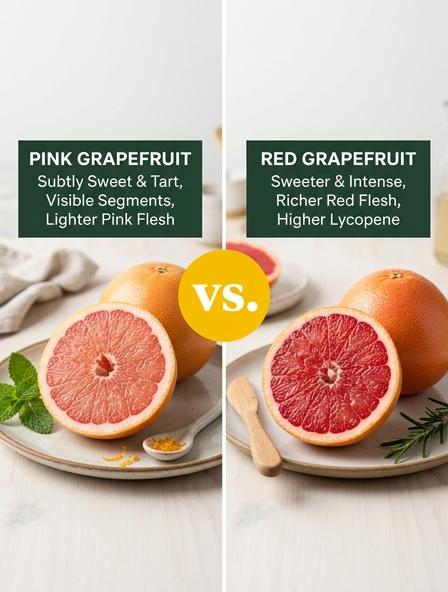
Acidity Levels and Impact on Flavor Balance
The primary difference between pink and red grapefruit lies in the sugar-to-acid ratio, which dictates their unique sensory profiles. Red varieties, such as the Star Ruby, are renowned for their low acidity and high natural sugar content. This combination effectively masks the characteristic citrus bitterness, resulting in a mellow, dessert-like sweetness. Pink grapefruit occupies the middle ground, retaining a slightly higher acidity that provides a sharper, more refreshing bite than its red counterpart.
This chemical balance influences how each fruit performs on the palate:
- Red Grapefruit: Mellow sweetness with minimal pucker; ideal for those sensitive to tartness.
- Pink Grapefruit: A vibrant, zesty tang that offers a balanced, classic citrus zing.
You might prefer the assertive acidity of a pink grapefruit when you need to cut through the richness of a grilled salmon dish or add a bright, sophisticated pop to a summer cocktail.
Nutritional Profiles and Lycopene Content Differences
While pink and red grapefruits share many health benefits, their primary nutritional difference lies in their antioxidant concentrations. The pigments responsible for their interior colors are lycopene and beta-carotene. Generally, the deeper the red hue, the higher the density of these beneficial compounds.
| Nutrient | Pink Grapefruit | Red Grapefruit |
|---|---|---|
| Lycopene | Moderate levels | Highest levels |
| Vitamin A | High | Highest |
| Vitamin C | Excellent source | Excellent source |
Red varieties typically provide more Vitamin A and a sweeter flavor profile compared to the mildly tart pink variety. Both options remain low-calorie, high-fiber choices that support heart health and immune function. You might choose the vibrant red variety for a morning fruit salad when you want maximum sweetness paired with the highest possible dose of protective antioxidants.
Sweetness Variations and Performance in Baked Goods
The primary distinction between red and pink grapefruit in baking lies in their sugar-to-acid ratio. Red grapefruits, such as the Star Ruby, generally boast the highest brix (sugar) levels and a deep pigment that remains more vibrant after heat exposure. Pink grapefruits offer a more traditional citrus profile, providing a sharper acidity that balances heavy fats in pastry dough.
- Red Grapefruit: Exceptional for glazes and curds where a natural rosy tint and intense sweetness are desired.
- Pink Grapefruit: Best for zest-heavy recipes or shortbreads where a subtle, floral bitterness is needed to cut through richness.
Because red varieties have less pith and more juice, they are often preferred for moisture-sensitive sponges. You can fold freshly squeezed red grapefruit juice into a signature loaf cake to achieve a moist crumb and a mellow, candy-like finish that appeals to those who find traditional citrus too tart.
Visual Appeal and Color Vibrancy for Plating
In culinary presentation, the choice between pink and red grapefruit is primarily dictated by the intended color story of the dish. Red grapefruit, particularly varieties like Ruby Red, boasts a deep, saturated crimson interior that provides a striking visual contrast against white porcelain or vibrant leafy greens. Conversely, pink grapefruit offers a more subtle, pastel aesthetic, featuring delicate blush tones that convey sophistication and lightness.
The visual distinction is largely due to varying lycopene levels, which influence the saturation:
- Red Grapefruit: Intense burgundy hues for bold, high-contrast plating.
- Pink Grapefruit: Muted coral and translucent tones for elegant, soft-focus displays.
While chefs often reach for the bold red segments to make a citrus ceviche "pop" with energy, many home entertainers prefer the soft glow of pink slices to create a refined and airy aesthetic for a weekend garden brunch.
Juice Yield and Pulp Consistency Comparison
When evaluating the internal characteristics of these citrus fruits, red grapefruits generally offer a higher juice yield compared to pink varieties. Red cultivars often feature thinner membranes and a softer cell structure, which facilitates easier liquid extraction. In contrast, pink grapefruits maintain a firmer pulp consistency, providing a denser mouthfeel and segments that hold their shape better during preparation.
| Feature | Pink Grapefruit | Red Grapefruit |
|---|---|---|
| Juice Volume | Moderate | High |
| Pulp Texture | Firm and Structured | Tender and Succulent |
You might prefer the abundant, sweet liquid of a deep red variety when pressing a fresh morning beverage, whereas the sturdy segments of a pink grapefruit are the top choice when you want to toss clean, hold-together slices into a vibrant summer salad.
Bitterness Intensity and Effect on Palate Cleansing
The primary difference between pink and red grapefruits lies in their chemical composition, specifically the concentration of naringin. Pink grapefruits possess a more pronounced bitterness and higher acidity, whereas red grapefruits contain more lycopene and natural sugars that mellow the flavor profile.
When used for palate cleansing, the intensity of the fruit dictates its effectiveness:
- Pink Grapefruit: High astringency and sharp acid levels effectively "scrub" the tongue, stripping away lingering fats or heavy oils.
- Red Grapefruit: A gentler option that refreshes the mouth with sweetness, making it ideal for transitioning between savory courses.
Fine-dining chefs often serve a chilled pink grapefruit sorbet between a rich lamb entrée and a delicate dessert to completely reset the guest's taste receptors for the next course.
Vitamin Retention and Daily Health Contributions
While both pink and red grapefruits provide an exceptional supply of Vitamin C, their primary distinction lies in their phytonutrient density. Red grapefruit typically contains higher concentrations of lycopene and beta-carotene compared to pink varieties. These antioxidants are vital for cellular protection, inflammatory response, and vision health.
- Vitamin C: Essential for immune support and collagen synthesis in both varieties.
- Beta-carotene: Precursor to Vitamin A, found in higher levels in darker red flesh.
- Lycopene: A potent antioxidant linked to heart health, most abundant in deep red cultivars.
In terms of daily health contributions, both fruits offer high water content and fiber, aiding in hydration and digestion. Whether you are kickstarting a morning fitness routine or looking for a refreshing afternoon snack, slicing a ruby-red grapefruit provides that extra boost of lycopene many health enthusiasts prefer for a vibrant, nutrient-dense diet.
Aromatic Differences and Scent Influence in Cooking
The olfactory profiles of pink and red grapefruits dictate their versatility in the kitchen. While both share a bright citrus foundation, their aromatic nuances differ based on lycopene content and sugar levels. Red grapefruits possess a deep, pungent sweetness with heavy berry-like undertones, whereas pink grapefruits offer a more delicate, floral, and slightly herbal scent profile.
- Pink Grapefruit: Subtle and crisp; ideal for cold infusions and light vinaigrettes.
- Red Grapefruit: Bold and sugary; its intense aroma survives heat better during reductions or baking.
These scents influence flavor perception; the sharp, bitter notes of the pink variety provide a refreshing "lift" to heavy dishes, while the rich aroma of the red variety rounds out acidic dressings. Home chefs often prefer zesting a ruby red grapefruit over a seared duck breast to create a fragrant, caramelized crust that balances the savory fat.
Heat Resistance and Stability During the Roasting Process
When subjected to high temperatures, the structural integrity and flavor profile of grapefruit vary significantly between pink and red varieties. Red grapefruit, typically containing higher sugar concentrations and lycopene levels, demonstrates superior stability during the roasting process. The elevated natural sugars facilitate a more robust caramelization, allowing the fruit to maintain its shape while developing complex, bittersweet notes.
- Red Grapefruit: Higher heat tolerance; sugars caramelize effectively without the fruit collapsing.
- Pink Grapefruit: More delicate cell structure; prone to excessive moisture loss and increased bitterness when exposed to prolonged heat.
While pink varieties are refreshing raw, red cultivars are the preferred choice for culinary applications like roasting. Home cooks love placing thick slices of Ruby Red under a broiler with a dusting of brown sugar and cinnamon, as the deep crimson flesh retains its striking visual appeal and jam-like consistency perfectly.
Texture Integrity and Structural Density in Salads
When selecting citrus for culinary compositions, the structural density of the fruit determines its performance on the plate. Pink grapefruits typically exhibit a firmer pulp and more resilient juice vesicles compared to their red counterparts. This increased texture integrity allows the segments to maintain their shape and "snap" even when subjected to the weight of heavy dressings or acidic vinaigrettes.
Red grapefruits, while often preferred for their intense sweetness, possess a softer cellular structure and higher juice-to-fiber ratio. This makes them prone to bruising or weeping during the tossing process. Consider these differences for your next recipe:
- Pink Grapefruit: Best for structural salads where distinct, clean-cut segments are required.
- Red Grapefruit: Ideal for rustic bowls where the juice acts as a natural component of the dressing.
Imagine a vibrant summer arugula salad where firm pink grapefruit wedges stand tall against salty halloumi, providing a satisfying, architectural crunch that refuses to turn soggy before the first bite.
Pink Grapefruit vs Red Grapefruit source and external links
- Pink grapefruit is a citrus hybrid known for its balanced, semi-sweet flavor and high vitamin C content, which you can read about in this overview of pink grapefruit.
- Red grapefruit is the sweetest variety and contains high levels of the antioxidant lycopene, which provides the deep pigment for red grapefruit varieties like the Star Ruby.