
Peanut Butter vs Peanut Butter Spread: Are They The Same? Ingredients, Nutrition, and Performance.
Nutritional Density Disparities in Natural Varieties and Modified Blends
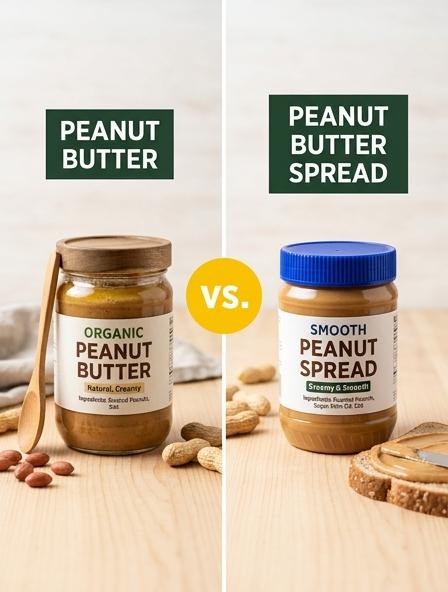
Understanding the distinction between peanut butter and spreads is vital for optimizing nutrient intake. By regulatory standards, authentic peanut butter must consist of at least 90% peanuts, ensuring a high concentration of plant-based protein, fiber, and heart-healthy monounsaturated fats. Conversely, modified spreads often fall below this threshold, incorporating additives to enhance texture and shelf-life.
- Protein Content: Natural varieties offer higher amino acid density per serving.
- Ingredient Integrity: Spreads frequently contain hydrogenated vegetable oils and added sugars.
- Stability: Natural oils in pure butter separate, whereas spreads utilize emulsifiers for a consistent texture.
While these additions alter the nutritional profile, they significantly impact the consumer experience. While health enthusiasts typically choose the natural jar for clean fuel, many families prefer the smooth, no-stir convenience of a modified blend when making a quick school lunch for their children.
Impact of Added Fats on Performance and Texture in Home Baking
Choosing between natural peanut butter and peanut butter spread significantly alters baking results due to their differing lipid compositions. Traditional peanut butter contains only peanut oil, which often separates and can lead to greasy doughs or a brittle, crumbly texture. Conversely, spreads incorporate hydrogenated vegetable oils or palm oil that act as essential stabilizers.
- Structural Integrity: Added fats prevent cookies from spreading too thin during the baking process.
- Moisture Retention: Emulsifiers in spreads trap moisture, ensuring the finished product doesn't dry out.
- Uniformity: Stabilized fats provide a consistent emulsification, resulting in a smooth, predictable batter.
These additives influence the final crumb and "mouthfeel," making spreads the preferred choice for soft, chewy results. You might choose a stabilized spread when baking a large batch of peanut butter blossoms for a party to ensure they remain soft, uniform, and perfectly held together for your guests.
Protein and Fiber Content Comparison for Daily Family Nutrition
Understanding the nutritional gap between pure peanut butter and peanut butter spreads is essential for healthy meal planning. Pure peanut butter must contain at least 90% peanuts, providing a concentrated source of plant-based protein and dietary fiber that supports muscle repair and digestive health. Conversely, peanut butter spreads often incorporate additives like hydrogenated oils and sugars, which can dilute the concentration of these vital nutrients per serving.
| Nutrient (per 32g) | Pure Peanut Butter | Peanut Butter Spread |
|---|---|---|
| Protein | ~8 grams | ~7 grams |
| Fiber | ~2 grams | ~1.5 grams |
Health-conscious parents often choose 100% natural peanut butter for school sandwiches to ensure their children receive a satiating, high-fiber boost that provides lasting energy throughout the day.
Effect of Stabilizers on Smoothness in Warm Sauces and Dips
The primary distinction between pure peanut butter and peanut butter spreads lies in their structural stability under heat. Stabilizers, such as hydrogenated vegetable oils or mono- and diglycerides, are incorporated into spreads to prevent oil separation and maintain a homogenous texture. In culinary applications involving heat, these additives act as emulsifiers that keep the fat and solids tightly bound.
- Natural Peanut Butter: Lacks stabilizers, often leading to a "broken" sauce where oil pools at the surface and the solids become grainy.
- Peanut Butter Spread: Contains emulsifying agents that ensure a velvety, consistent finish, preventing the mixture from seizing when combined with warm liquids.
Imagine whisking a spoonful of creamy spread into a simmering Thai satay sauce and watching it transform instantly into a glossy, perfectly uniform glaze that coats your chicken skewers without a trace of grittiness.
Sugar and Sodium Levels in Pure Versus Processed Pantry Staples
The distinction between "peanut butter" and "peanut butter spread" is defined by ingredient purity. By law, peanut butter must contain at least 90% peanuts. Products labeled as "spreads" often fall below this threshold, using additives to achieve a specific consistency or flavor profile. These processed versions typically feature higher concentrations of the following:
- Added Sugars: Spreads frequently incorporate molasses, corn syrup, or refined sugar to mask the bitterness of lower-grade nuts.
- Sodium: Higher salt content is used in spreads to enhance palatability and act as a preservative.
- Stabilizers: Hydrogenated oils are added to prevent separation, whereas pure peanut butter often requires stirring.
While pure varieties offer dense nutrition with minimal interference, many families prefer the consistent, no-stir convenience of a spread when preparing a quick peanut butter and jelly sandwich for a picky toddler's school lunch.
Smoke Points and Heat Performance in Savory Cooking
Understanding heat performance is vital when choosing between peanut butter and spreads for savory culinary applications. Pure peanut butter, consisting primarily of roasted peanuts, benefits from the high smoke point of peanut oil-approximately 450°F-though the solid particles can scorch if left unattended. In contrast, peanut butter spreads contain hydrogenated oils, stabilizers, and added sugars, which significantly lower the overall heat tolerance and can cause the mixture to seize or burn prematurely.
- Pure Peanut Butter: Higher heat resistance; provides a stable base for emulsified sauces.
- Peanut Butter Spread: Lower smoke point; additives may lead to oil separation or unwanted caramelization under high heat.
Home cooks often prefer whisking natural, drippy peanut butter into a simmering Thai satay sauce to ensure a silky, consistent texture that won't break over a hot flame.
Storage Stability and Oil Separation in Common Nut Based Creams
The primary distinction between peanut butter and peanut butter spreads lies in their physical stability. Traditional peanut butter, which must contain at least 90% peanuts, often experiences natural oil separation. This occurs because the liquid peanut oil is lighter than the solid nut particles, leading it to pool at the surface over time.
- Peanut Butter: Requires manual stirring and often refrigeration to slow down oil migration.
- Peanut Butter Spread: Utilizes stabilizers like palm oil or hydrogenated vegetable oils to maintain a homogeneous texture.
While natural varieties appeal to purists, spreads offer superior shelf stability and a consistent "spreadability" that remains constant regardless of storage temperature. Busy parents often prefer stabilized spreads for school lunches because the no-stir formula ensures a mess-free sandwich experience that stays creamy and intact until the midday bell rings.
Caloric Density and Satiety Factors for Growing Children
Choosing between traditional peanut butter and peanut butter spread significantly impacts a child's nutritional intake. Standard peanut butter requires at least 90% peanuts, providing a high concentration of plant-based proteins and monounsaturated fats. These nutrients are crucial for satiety, ensuring that growing children remain energized without frequent hunger pangs. Conversely, many spreads incorporate additives like palm oil and corn syrup, which can lower the overall nutrient density per calorie.
- Protein Quality: Natural varieties offer higher amino acid density for muscle growth.
- Energy Stability: The fiber in pure peanuts prevents the rapid blood sugar spikes often caused by sugary spreads.
- Healthy Fats: Essential fatty acids support cognitive development and long-term brain health.
For a reliable school-day fuel, many parents find that spreading thick, natural peanut butter on whole-grain toast keeps their children focused and satisfied until the lunch bell rings.
Percentage of Real Legumes and Its Influence on Flavor Intensity
The primary distinction between peanut butter and peanut butter spread lies in the concentration of legumes. To be legally labeled "Peanut Butter," products must typically contain at least 90% peanuts. This high density results in a robust, roasted flavor profile that captures the authentic essence of the legume. Conversely, "Peanut Butter Spreads" contain less than 90% peanuts, often diluting the natural intensity with additives like hydrogenated oils and sugars to achieve a smoother consistency.
- Peanut Butter: High legume concentration (90%+), offering a deep, earthy, and savory taste.
- Peanut Butter Spread: Lower legume percentage, resulting in a milder flavor and increased sweetness.
Fitness enthusiasts often reach for the high-percentage natural butter for their protein shakes to ensure they get the maximum nutrient density and the most powerful nutty punch possible.
Textural Changes in Refrigerated Versus Room Temperature Storage
The primary difference between pure peanut butter and peanut butter spreads lies in their structural response to temperature. Traditional peanut butter, containing at least 90% peanuts, relies on natural oils that separate at room temperature and solidify when chilled. This often results in a hard, crumbly texture that is difficult to scoop directly from the refrigerator.
Conversely, peanut butter spreads incorporate stabilizers like palm oil or mono-glycerides to maintain a permanent emulsion. These additives ensure the product remains uniform and creamy regardless of storage conditions.
- Room Temperature: Natural butter is runny and requires stirring; spreads are soft and ready-to-use.
- Refrigeration: Natural butter becomes firm and dense; spreads maintain a smooth, pliable consistency.
Busy parents typically prefer the convenience of shelf-stable spreads for quick school lunch sandwiches, while fitness enthusiasts often enjoy the thick, slow-melting texture of refrigerated natural peanut butter dolloped over a bowl of hot morning oatmeal.
Peanut Butter vs Peanut Butter Spread source and external links
- Peanut butter is a popular food paste made primarily from ground dry-roasted peanuts and is often used in sandwiches or baking.
- A peanut butter spread typically contains additional ingredients like vegetable oils and sweeteners to achieve a smoother consistency compared to pure nut butter.