
Peanut Butter vs Nutella : Comparing Nutritional Value, Baking Performance, and Texture Differences
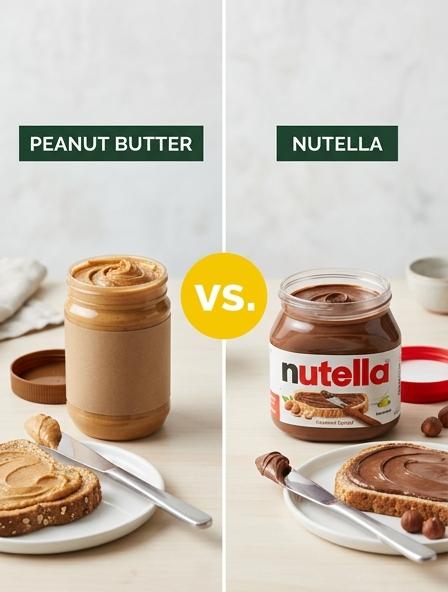
Texture Performance in High Temperature Oven Baking
When subjected to intense oven heat, peanut butter and Nutella react differently due to their distinct chemical compositions. Peanut butter, rich in protein and natural fats, maintains significant structural integrity; it thickens and may become slightly dry, making it ideal for maintaining distinct layers or swirls in brownies. Conversely, Nutella's high sugar and palm oil content causes it to liquefy rapidly. If exposed to direct heat for too long, the sugar can scorch, resulting in a gritty texture rather than a smooth finish.
| Property | Peanut Butter | Nutella |
|---|---|---|
| Heat Stability | High (Holds shape) | Low (Melts/Flows) |
| Viscosity Change | Increases/Thickens | Decreases/Thins |
Home bakers often prefer piping chilled dollops of Nutella into the center of muffin batter just before baking to create a molten, gooey core that surprises guests with a liquid chocolate burst.
Protein and Sugar Balance for Daily Family Nutrition
When comparing peanut butter and Nutella for family nutrition, the macronutrient profiles vary significantly. Peanut butter is a powerhouse of plant-based protein and healthy monounsaturated fats, whereas Nutella is primarily a sugar-based spread with cocoa and hazelnuts. For a balanced diet, monitoring the glycemic impact and satiety levels of these spreads is crucial for sustained daily energy.
| Nutrient (per 2 tbsp) | Peanut Butter | Nutella |
|---|---|---|
| Protein | ~7-8g | ~2g |
| Sugar | ~2-3g | ~21g |
While peanut butter offers the protein necessary for muscle growth and repair, Nutella delivers a quick glucose spike from its high sugar content. Many health-conscious parents choose natural peanut butter for their children's weekday school lunches to avoid mid-afternoon energy crashes, while reserving Nutella as a special indulgence for Sunday morning crepes.
Structural Differences in No Bake Dessert Construction
The choice between peanut butter and Nutella significantly impacts the structural integrity of no-bake desserts. Peanut butter contains high protein and healthy fats that act as natural binding agents. When refrigerated, these fats solidify, providing a firm, sliceable foundation for bars and fudge. Conversely, Nutella's primary ingredients-sugar and palm oil-result in a much lower melting point and a higher fluid viscosity.
- Setting Ability: Peanut butter firms up under cold temperatures, offering structural stability.
- Viscosity: Nutella remains creamy and pliable, making it less effective as a standalone binder.
- Moisture Control: The oil content in Nutella can soften dry ingredients like crushed biscuits more quickly than peanut butter.
Understanding these culinary mechanics ensures your dessert holds its shape without melting at room temperature. Peanut butter serves as a sturdy architectural element, while Nutella is best used for its flavor profile and silky mouthfeel. You might choose peanut butter for a rigid, protein-packed energy bite, whereas Nutella is the favorite for creating a luscious, gooey center in a chilled cheesecake.
Caloric Impact and Nutritional Profiles for Breakfast
Choosing between peanut butter and Nutella for breakfast depends on your specific macronutrient needs. While both spreads contain approximately 190 to 200 calories per two-tablespoon serving, their nutritional profiles differ significantly:
- Peanut Butter: Rich in plant-based protein, fiber, and heart-healthy monounsaturated fats.
- Nutella: High in sugar and saturated fats from palm oil, with significantly lower protein content.
Peanut butter provides steady energy through its low glycemic index, making it a functional choice for long-term satiety. Conversely, Nutella's high sugar content offers a quick energy burst but may lead to a mid-morning insulin spike. Deciding between the two involves weighing nutritional density against flavor indulgence. You might opt for a thick layer of peanut butter on sourdough for filling pre-gym fuel, or reach for Nutella when you want to transform simple Sunday waffles into a decadent, chocolatey treat.
Consistency and Spreadability at Room Temperature
When stored at room temperature, the textures of peanut butter and Nutella diverge significantly due to their distinct fat compositions. Nutella is engineered for an immediate, silky glide. Thanks to the inclusion of palm oil and lecithin, it maintains a glossy, uniform consistency that is exceptionally easy to spread even on the softest white bread without tearing the crumb.
Peanut butter's consistency varies by its processing method:
- Natural Peanut Butter: Often features oil separation, requiring stirring to reach a spreadable, sometimes grainy state.
- Stabilized/No-Stir: Offers a thicker, more "tacky" texture that provides more resistance against the knife compared to Nutella.
While Nutella behaves more like a fluid frosting, peanut butter acts as a dense, structural paste. You might prefer the effortless way Nutella swirls into a delicate crepe, whereas many people love the hearty, thick resistance of peanut butter that stays perfectly in place on a toasted bagel.
Flavor Pairing Potential with Common Bread Varieties
Choosing between peanut butter and Nutella often depends on the structural and flavor profile of your bread choice. Peanut butter offers a salty, earthy richness that complements the robust density of whole-grain or rye breads. Conversely, Nutella's creamy chocolate-hazelnut sweetness acts as a perfect foil for lighter, airier textures.
- Whole Wheat: The savory nuttiness of peanut butter enhances the natural earthiness of the grain.
- Brioche: Nutella transforms this buttery, soft bread into a decadent, dessert-like experience.
- Sourdough: Peanut butter balances the lactic tang, while Nutella provides a bold, sugary contrast to the fermented crust.
- Multi-grain: The crunch of seeds pairs excellently with the thick consistency of natural peanut butter.
Many people love spreading creamy peanut butter over a thick slice of toasted sourdough for a protein-rich breakfast, while others prefer drizzling Nutella over a warm, flaky croissant for a luxurious afternoon indulgence.
Fat Content and Its Influence on Cookie Crispness
The fat composition in peanut butter versus Nutella fundamentally alters the structural integrity and crispness of a cookie. Peanut butter is rich in monounsaturated fats and proteins, which effectively coat flour proteins to inhibit gluten development. This results in a "short" dough that yields a brittle, snappy texture. In contrast, Nutella contains a higher sugar-to-fat ratio and significant palm oil, which leads to more spreading and a chewier, softer crumb due to sugar hygroscopicity.
- Peanut Butter: High oil and protein content creates a firm, structural crunch.
- Nutella: High sugar and milk solids promote caramelization and a fudgy, tender interior.
The interaction between these fats and oven heat determines whether your treat has a distinctive snap or a soft bite. You might choose the robust, sandy crispness of a peanut butter base when crafting a sturdy sandwich cookie that needs to hold up against a heavy glass of milk.
Storage Longevity and Pantry Preservation Factors
When comparing the shelf life of peanut butter and Nutella, fat content and moisture levels dictate their stability. Peanut butter is highly resilient due to its high unsaturated fat content and low water activity, which naturally inhibits bacterial growth. Nutella, while shelf-stable, contains dairy solids and a high concentration of sugar; while sugar acts as a preservative, the presence of milk powder makes it more sensitive to temperature fluctuations.
- Peanut Butter: Lasts 6–9 months opened; natural versions may require refrigeration to prevent oil rancidity.
- Nutella: Best consumed within 12 months; storage in the fridge is discouraged as it hardens the cocoa butter.
Both spreads suffer from oxidation, which eventually compromises flavor. While peanut butter may separate over time, Nutella's vegetable oils can develop an off-flavor if exposed to direct sunlight. You might choose the long-lasting reliability of peanut butter for a stocked emergency pantry, whereas Nutella is often enjoyed quickly as a decadent treat for Sunday morning waffles.
Satiety Levels and Energy Density for Household Snacks
When evaluating peanut butter versus Nutella for household snacks, the distinction lies in nutrient composition and caloric source. Peanut butter is a nutrient-dense powerhouse, rich in monounsaturated fats, protein, and dietary fiber. These components slow digestion and stabilize blood sugar, leading to high satiety levels that curb overeating.
Conversely, Nutella is characterized by high energy density derived primarily from sugar and palm oil. While it provides a rapid energy burst, the lack of significant protein means the feeling of fullness is fleeting. The following table summarizes their snack profiles:
| Feature | Peanut Butter | Nutella |
|---|---|---|
| Primary Energy Source | Healthy Fats & Protein | Sugar & Fats |
| Satiety Duration | Long-lasting | Short-lived |
A fitness enthusiast might choose a spoonful of peanut butter before a workout to maintain steady energy levels and avoid mid-session hunger.
Melting Characteristics and Glaze Formation in Sweets
The culinary performance of peanut butter and Nutella changes significantly under heat. Peanut butter, rich in natural oils and protein, softens into a viscous, matte consistency. It is ideal for creating structured fillings or thick, rustic drizzles that hold their shape. Conversely, Nutella's high sugar and palm oil content allow it to liquefy rapidly into a glossy, reflective glaze, making it superior for decorative finishes.
- Peanut Butter: High melting point; maintains density and creates a velvety, opaque finish.
- Nutella: Low melting point; achieves high fluidity and results in a shiny, mirror-like coating.
Home bakers often choose Nutella when they want a smooth, chocolatey glaze for warm crepes, while those seeking a salty-sweet swirl in hot brownies prefer the dense, molten texture of melted peanut butter.
Peanut Butter vs Nutella source and external links
- Peanut butter is a protein-rich food paste made from ground, dry-roasted peanuts that is widely used as a spread or ingredient.
- Nutella is a sweetened hazelnut cocoa spread manufactured by the Italian company Ferrero that has gained massive global popularity.