
Peanut Butter vs Nut Butter : Are They The Same? Nutritional Value, Culinary Performance, and Health Benefits.
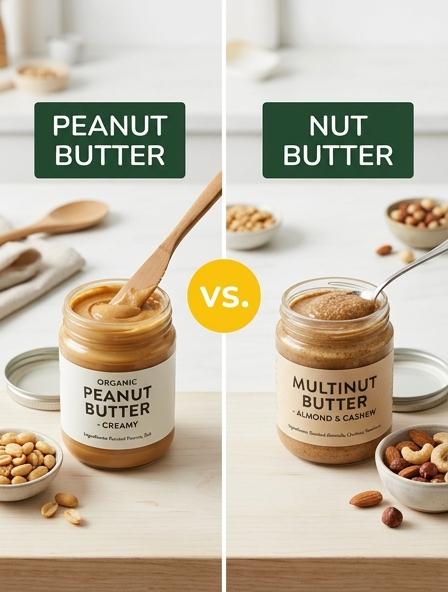
Healthy Density for Daily Family Consumption
When evaluating peanut butter versus various nut butters for family nutrition, the focus shifts to nutrient density and caloric quality. While peanut butter remains a classic, affordable source of plant-based protein and Vitamin B3, alternative nut butters like almond or walnut provide distinct micronutrient advantages that benefit growing children and active adults alike.
- Peanut Butter: High in protein and folic acid; excellent for muscle repair.
- Almond Butter: Superior levels of Vitamin E and magnesium for heart and bone health.
- Cashew Butter: Rich in iron and zinc, supporting a healthy immune system.
Both options are energy-dense, providing healthy monounsaturated fats that keep the family satiated. To maximize health benefits, prioritize "natural" versions that contain only nuts and a pinch of salt, avoiding the processed sugars and hydrogenated oils found in conventional brands.
Imagine a busy school morning where a quick spread of creamy almond butter on whole-grain toast provides your kids with the sustained energy and focus they need to power through their first few classes.
Texture Performance in Homemade Baked Goods
The choice between peanut butter and various nut butters fundamentally alters the structural integrity of your desserts. Peanut butter, known for its high protein content and natural binders, typically produces a dense, chewy crumb. In contrast, alternative nut butters like almond or walnut often have higher oil concentrations, which can lead to a more fragile or oily finished product.
- Peanut Butter: High stability; creates a reliable, chewy texture.
- Almond Butter: Higher oil content; results in thinner, crispier edges.
- Cashew Butter: Naturally creamy; produces a soft, almost cake-like consistency.
Because natural nut butters lack common stabilizers found in commercial peanut brands, they may cause dough to spread more during baking. You should reach for a classic, emulsified peanut butter when you want to achieve that iconic, thick, and soft-centered cookie that holds its shape perfectly on the cooling rack.
Flavor Profiles in Savory and Sweet Dishes
Choosing between peanut butter and alternative nut butters often depends on the desired depth of flavor. Peanut butter offers a bold, roasted intensity that anchors traditional recipes. In contrast, tree nut butters provide nuanced profiles ranging from subtle sweetness to earthy, floral notes.
- Peanut Butter: Its high oil content and distinct saltiness make it a staple for savory Thai satay sauces and classic, dense desserts.
- Almond Butter: Features a toasted, slightly bitter edge that complements maple syrup and dark chocolate perfectly.
- Cashew Butter: Known for a buttery, mild flavor, it acts as an ideal dairy-free base for creamy vegan pastas or fruit-heavy smoothies.
While professional chefs favor peanut butter for its assertive punch in spicy curries, home bakers often reach for almond butter to add a sophisticated, nutty complexity to their morning granola bowls.
Caloric Impact on Daily Meal Planning
When integrating spreads into your diet, understanding the caloric density of peanut butter versus alternative nut butters is essential for effective weight management. Most varieties contain between 180 and 210 calories per two-tablespoon serving, making them energy-dense additions to any meal plan. While total calories remain comparable, the macronutrient profiles influence metabolic impact and satiety differently:
- Peanut Butter: Typically offers a higher protein-to-cost ratio, making it ideal for budget-conscious muscle recovery.
- Almond Butter: Contains more fiber and vitamin E, which may help regulate blood sugar levels.
- Cashew Butter: Often slightly lower in fat but higher in carbohydrates, providing a creamier texture for sauces.
Strategic portion control ensures these healthy fats support your nutritional goals rather than inflating your daily caloric intake. Many health-conscious professionals prefer measuring exactly one tablespoon of almond butter into their morning green smoothie to ensure sustained energy levels throughout a busy workday.
Binding Efficiency for No Bake Energy Bites
When crafting no-bake energy bites, the choice between peanut butter and alternative nut butters significantly impacts the structural integrity of the final product. Peanut butter is widely considered the superior binder due to its thick, homogenized consistency and high protein-to-fat ratio, which creates a reliable "culinary glue." In contrast, alternative nut butters like almond or cashew can vary in viscosity, often requiring additional dry ingredients to prevent the bites from losing their shape.
| Butter Type | Binding Strength | Texture Impact |
|---|---|---|
| Peanut Butter | High | Dense and cohesive |
| Almond Butter | Moderate | Slightly grainy or oily |
| Cashew Butter | High | Creamy and soft |
Busy parents often prefer using creamy peanut butter to ensure their protein balls maintain a firm, chewy texture that won't crumble when packed into a child's lunchbox for school.
Shelf Stability and Pantry Longevity
When comparing shelf life, the presence of stabilizers is the primary differentiator between conventional peanut butter and specialty nut butters. Most commercial peanut butter brands include hydrogenated oils, which prevent oil separation and allow the product to remain fresh in a cool pantry for six to nine months after opening.
Conversely, natural nut butters-whether made from almonds, cashews, or peanuts-typically lack preservatives. While unopened jars are shelf-stable, the high unsaturated fat content makes them more susceptible to rancidity once exposed to air.
- Stabilized Peanut Butter: Maintains consistency at room temperature for months.
- Natural Nut Butters: Often require refrigeration to prevent oil separation and spoilage.
- Unopened Containers: Both varieties generally last up to two years past production.
Busy parents often rely on the long-lasting convenience of shelf-stable peanut butter for quick school lunches, while health enthusiasts prefer keeping artisanal almond butter in the fridge to preserve its fresh, nutty flavor for morning smoothies.
Allergen Safety in Shared Household Kitchens
Managing a shared kitchen requires strict protocols to prevent cross-contamination between traditional peanut butter and alternative nut butters. While options like almond, cashew, or sunflower butter are popular substitutes, they pose significant risks if traces of peanuts are introduced via shared surfaces or utensils.
- Dedicated Utensils: Use separate knives and spoons for each jar to avoid "double-dipping."
- Strategic Storage: Keep peanut-based products on lower shelves to prevent accidental spills onto safe alternatives.
- Clear Labeling: Use bright stickers to distinguish between "Safe" and "Restricted" jars.
Maintaining high standards of hygiene protects sensitive individuals from accidental exposure while allowing for dietary variety. Imagine a busy Monday morning where color-coded jar lids help a parent confidently pack a sunbutter sandwich for a peanut-free school zone while keeping the classic peanut butter safely quarantined for the rest of the family.
Oil Separation and Consistency in Sauces
Understanding the textural differences between peanut butter and various nut butters is essential for achieving the perfect sauce consistency. Most commercial peanut butters utilize stabilizers to prevent oil separation, whereas natural nut butters-such as almond, cashew, or walnut-often feature a distinct layer of oil on top due to the lack of emulsifiers.
- Emulsification: Natural nut butters require vigorous stirring to reintegrate oils, which can lead to a thinner, more pourable sauce.
- Stability: Stabilized peanut butter maintains a thick, uniform structure, making it ideal for heavy, clingy dressings.
- Viscosity: Nut butters like cashew offer a naturally creamier profile that thickens more predictably when heated compared to oily almond varieties.
You may find that whisking a natural, runny almond butter into a warm lime and ginger dressing creates a flawlessly smooth glaze that coats your chicken satay skewers without the risk of clumping.
Mineral and Vitamin Content for Growing Children
When comparing peanut butter to various tree nut butters, both serve as nutrient-dense options for physical and cognitive development. Peanut butter is an excellent source of Vitamin B3 (Niacin) and folate, which are vital for cellular energy and brain function. However, tree nut alternatives like almond or cashew butter often provide a higher concentration of specific minerals.
- Calcium: Almond butter offers significantly more calcium than peanut butter, supporting strong bone growth.
- Iron and Zinc: Cashew butter is a superior source of these minerals, which are essential for immune health.
- Vitamin E: Most nut butters outperform peanut butter in this antioxidant, protecting cells from oxidative stress.
While peanut butter is a reliable protein staple, rotating it with almond or walnut butter ensures a broader spectrum of magnesium and potassium. You can swirl a tablespoon of almond butter into your child's morning porridge to give them a calcium-rich start that keeps them focused until lunch.
Grocery Budget Impact and Value Comparison
When evaluating the financial impact of your pantry staples, the price gap between peanut butter and alternative nut butters is substantial. Peanuts, which are technically legumes, are significantly cheaper to cultivate and process, making peanut butter the undisputed leader in affordability. Conversely, specialty nut butters like almond, cashew, or macadamia carry higher price tags due to intensive water requirements, lower crop yields, and specialized harvesting methods.
- Peanut Butter: Best price-per-ounce; ideal for high-volume consumption.
- Almond Butter: Mid-range premium; costs fluctuate based on drought conditions.
- Cashew/Macadamia: High-end luxury; often double or triple the cost of peanut variants.
While both provide excellent plant-based fats, the cost-to-protein ratio heavily favors the peanut. You might choose the budget-friendly jar of creamy peanut butter for daily smoothies and school lunches, while saving the expensive, stone-ground almond butter for a special weekend drizzle over gourmet oatmeal.
Peanut Butter vs Nut Butter source and external links
- A creamy or crunchy spread made from ground roasted peanuts, peanut butter is a staple in many households worldwide.
- A diverse category of spreads, nut butter can be made from various seeds and nuts like almonds, cashews, or hazelnuts.