
Peanut Butter vs Almond Butter: Are They The Same? Nutrition, Baking, and Protein.
Nutritional Content and Calorie Density
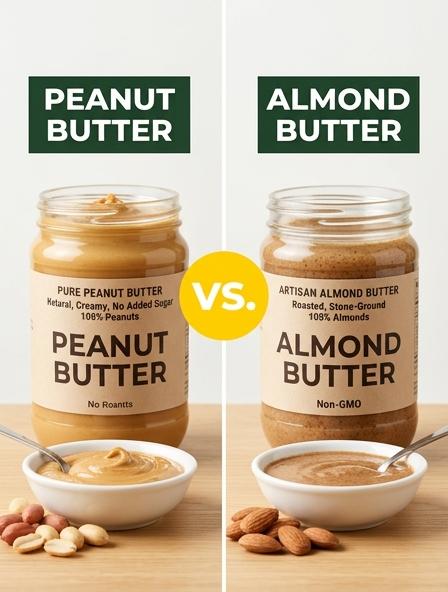
Peanut butter and almond butter are both calorie-dense spreads, typically providing between 190 and 200 calories per two-tablespoon serving. The majority of this energy comes from heart-healthy monounsaturated and polyunsaturated fats. While their macronutrient profiles are remarkably similar, almond butter generally offers a slight edge in fiber and micronutrient density.
- Almond Butter: Contains higher levels of Vitamin E, magnesium, and calcium.
- Peanut Butter: Often provides a slightly higher protein count and is more cost-effective.
- Fat Quality: Both are low in saturated fats and contain zero cholesterol.
Choosing between these two options often depends on specific dietary goals, such as maximizing antioxidant intake or maintaining a budget-friendly protein source. You might reach for creamy peanut butter to power a high-intensity workout with its protein punch, or opt for almond butter to add a fiber-rich, nutrient-dense boost to your morning green smoothie.
Flavor Influence in Savory Dinner Dishes
When selecting a nut butter for savory cooking, the choice between peanut and almond significantly impacts the final flavor profile. Peanut butter is characterized by its bold, roasted, and salty intensity, making it an essential component for Southeast Asian satays or West African stews. Its assertive nature allows it to stand up against high heat and pungent spices like ginger and chili.
Almond butter offers a more subtle, earthy, and slightly sweet contribution. Because it lacks the dominant aroma of peanuts, it acts as a versatile thickening agent that enhances mouthfeel without overshadowing delicate herbs. Consider these culinary applications:
- Peanut Butter: Ideal for spicy noodle sauces and savory meat glazes.
- Almond Butter: Best for creamy Mediterranean-inspired dressings and mild vegetable curries.
You can stir a tablespoon of smooth almond butter into a roasted butternut squash soup to provide a hidden, velvety richness that lets the natural sweetness of the vegetables shine.
Structural Reliability in High Heat Baking
When subjected to high oven temperatures, the chemical composition of your chosen nut butter determines the final texture of the bake. Peanut butter generally offers superior structural reliability due to its higher protein density and saturated fat content, which act as stabilizing binders. In contrast, almond butter contains more monounsaturated fats, which can lead to oil separation and excessive spreading.
- Peanut Butter: Maintains emulsification, ensuring a chewy, consistent crumb.
- Almond Butter: Higher moisture and oil volatility often result in a more fragile, crumbly texture.
While almond butter is excellent for flourless recipes where a delicate crispness is desired, peanut butter remains the industry standard for maintaining height and shape in dense doughs. You will likely reach for the peanut butter jar when baking thick, soft-batch cookies that need to stay perfectly puffed and intact after cooling.
Mineral Profiles for Daily Dietary Needs
When comparing peanut butter and almond butter, both serve as excellent sources of essential minerals, though their concentrations differ significantly. Almond butter is often praised for its superior mineral density, particularly regarding bone health and metabolic function.
- Almond Butter: Rich in magnesium, manganese, and calcium. It provides nearly seven times more calcium than peanut butter, making it ideal for skeletal support.
- Peanut Butter: A reliable source of phosphorus, zinc, and magnesium, supporting cellular repair and immune system efficiency.
While almond butter leads in magnesium-crucial for muscle relaxation and energy production-peanut butter remains a cost-effective way to secure phosphorus for healthy DNA synthesis. Choosing between them allows you to target specific nutritional gaps based on your activity levels and lifestyle goals. You might choose almond butter as a pre-workout topping on whole-grain toast when you want that extra hit of magnesium to help prevent muscle cramps during an intense gym session.
Binding Effectiveness in Raw Snack Recipes
When crafting raw snacks like energy bites or bars, the choice between peanut butter and almond butter significantly impacts the final texture. Peanut butter typically offers a smoother consistency and higher natural oil content, making it a superior "glue" for dry ingredients. This ensures that no-bake treats hold their shape without crumbling during storage.
- Peanut Butter: Higher fat-to-fiber ratio creates a sticky, cohesive matrix ideal for rolled oats.
- Almond Butter: Higher fiber content results in a thicker, grittier paste that may require additional liquid sweeteners to prevent a dry finish.
While both fats provide excellent nutritional value, their viscosity determines how well ingredients like seeds and protein powders integrate. You might choose the creamy elasticity of peanut butter for molding perfectly round energy truffles, whereas almond butter is preferred for firm, pressed bars where a more substantial, earthy bite is desired.
Satiety Levels for Weight Maintenance Goals
When comparing peanut butter and almond butter for weight maintenance, satiety-the feeling of fullness-is the most critical factor. Both spreads are rich in monounsaturated fats and plant-based proteins, which slow digestion and help regulate appetite-suppressing hormones like peptide YY.
| Nutrient (per 2 tbsp) | Peanut Butter | Almond Butter |
|---|---|---|
| Dietary Fiber | ~2g | ~3.3g |
| Protein | ~8g | ~6.7g |
While peanut butter offers a slight lead in protein content, almond butter provides significantly more dietary fiber. This extra fiber can provide a more sustained release of energy and a prolonged sense of fullness, making it a powerful tool for those trying to avoid mid-day snacking.
Many health-conscious commuters stir a tablespoon of almond butter into their morning Greek yogurt to ensure they remain completely satisfied and focused until their scheduled lunch break.
Oil Stability and Emulsification Properties
The lipid profiles of peanut and almond butters dictate their shelf-life behavior and texture. Peanut butter naturally contains more saturated fats, which provide better structural stability and help maintain a creamy, homogenized state at room temperature. In contrast, almond butter is richer in monounsaturated fats, which remain liquid at lower temperatures, often leading to more rapid phase separation where oil pools at the surface.
- Peanut Butter: Offers higher natural emulsification, resulting in a thicker, more cohesive spread.
- Almond Butter: Requires frequent stirring due to a lack of saturated fat "lattice" to hold the oil in place.
To mitigate separation, many commercial brands add stabilizers like palm oil or mono-and diglycerides to create a "no-stir" experience. You might reach for the naturally stable texture of peanut butter for a mess-free toddler snack, while purists often prefer the ritual of stirring raw almond butter to achieve that signature, drippy consistency over a warm bowl of oatmeal.
Environmental Resource Usage for Crop Growth
When comparing the ecological impact of nut butters, resource consumption is a primary differentiator. Peanuts are remarkably sustainable because they are nitrogen-fixing legumes that naturally replenish soil health, reducing the need for synthetic fertilizers. Furthermore, they require significantly less water than tree nuts, often relying primarily on rainwater.
In contrast, almonds have a massive water footprint. They are primarily grown in drought-prone regions like California, where a single almond can require over a gallon of water to reach maturity. This creates a heavy reliance on intensive irrigation systems.
- Water Usage: Peanuts use a small fraction of the water required for almond cultivation.
- Carbon Footprint: Peanuts generally produce fewer greenhouse gas emissions during growth and harvest.
- Soil Health: Peanuts improve land quality, while almond orchards require long-term, intensive land use.
You might choose peanut butter for your morning toast if you want a protein-rich snack that supports sustainable farming practices and conserves precious freshwater supplies.
Protein Bioavailability and Amino Acid Balances
When comparing peanut and almond butter, protein quality is determined by amino acid profiles and digestibility. Peanuts, technically legumes, provide approximately 8 grams of protein per serving, while almonds offer about 6 grams. Both are plant-based "incomplete" proteins, meaning they lack sufficient levels of the essential amino acid methionine.
- Peanut Butter: Boasts a higher concentration of Leucine, the primary branched-chain amino acid (BCAA) responsible for triggering muscle protein synthesis.
- Almond Butter: Contains higher levels of L-arginine, which supports nitric oxide production and improved vascular function.
To optimize bioavailability, these nut butters should be paired with complementary proteins found in whole grains. Many fitness enthusiasts prefer spreading creamy peanut butter over toasted sprouted-grain bread to create a complete amino acid profile that mirrors the muscle-building efficiency of animal-based proteins.
Texture Variations for Preferred Mouthfeel
The sensory experience of nut butters depends heavily on their processing and natural fiber content. Peanut butter is iconic for its cohesive, velvety consistency that sticks to the palate, though many prefer the "crunchy" variety for its fragmented nut pieces. Conversely, almond butter often features a grittier, more rustic mouthfeel. Even "smooth" almond butters retain a slight graininess because the skins are frequently included during grinding, resulting in a thinner, more pourable viscosity compared to the dense structure of peanut butter.
- Peanut Butter: Thick, pasty, and uniform; available in creamy or chunky.
- Almond Butter: Naturally runny, slightly fibrous, and prone to oil separation.
You might find the heavy, nostalgic stickiness of peanut butter ideal for a sturdy protein shake, whereas the drizzly, textured nature of almond butter makes it the superior choice for topping a warm bowl of oatmeal or a crisp apple slice.
Peanut Butter vs Almond Butter source and external links
- Peanut butter is a popular, protein-rich spread made from ground roasted peanuts. Learn more about Peanut butter here.
- Almond butter is a nutritious alternative to traditional nut spreads, often prized for its high vitamin E and fiber content. Read more about Almond butter online.