
Peanut Butter vs Almond Butter: Which is Best for Baking, Weight Management, and Daily Nutrition?
Nutritional profiles for balanced family meals
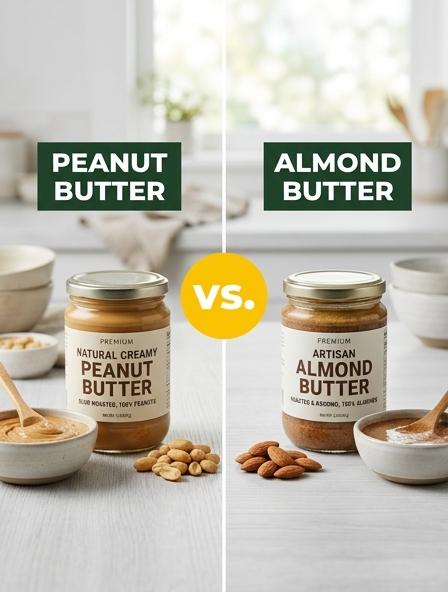
Choosing between peanut butter and almond butter depends on your family's specific dietary goals. Peanut butter is a budget-friendly protein powerhouse, offering essential niacin for energy production and muscle repair. Conversely, almond butter provides a superior micronutrient profile, featuring higher concentrations of Vitamin E, magnesium, and heart-healthy fiber.
- Peanut Butter: Higher in Vitamin B3 (Niacin); excellent protein-to-cost ratio for growing kids.
- Almond Butter: Richer in bone-strengthening calcium and antioxidant-rich Vitamin E.
Both options deliver the healthy fats necessary for brain development and long-lasting satiety. While their caloric densities are nearly identical, the decision often rests on flavor preference or specific mineral requirements within the household. Many health-conscious parents love drizzling creamy almond butter over sliced organic apples for a nutrient-dense after-school snack that keeps kids energized and satisfied until dinner.
Performance differences in binding and baking
In the kitchen, the structural roles of peanut and almond butter differ due to their protein density and oil content. Peanut butter acts as a superior binder; its homogenized, creamy consistency provides a sturdy "glue" that is ideal for no-bake bars and dense cookies. Conversely, almond butter possesses a grainier texture and higher natural oil concentration, which often results in a more delicate, crumbly finish.
- Peanut Butter: Offers high cohesion and a thick viscosity, making it perfect for chewy textures.
- Almond Butter: Provides a lighter, moister crumb but may require additional binding agents like flax or eggs.
While they are often swapped 1:1, the chemical behavior varies during heat exposure. A baker seeking a soft, melt-in-your-mouth almond flour muffin will prefer almond butter for its moisture-retaining properties, ensuring the pastry remains tender and rich without becoming overly heavy.
Flavor profile variations in savory sauce bases
Selecting a base for savory sauces requires balancing fat content with flavor depth. Peanut butter brings a dominant, roasted intensity and a natural sweetness that stands up to bold aromatics like garlic and fermented pastes. Its high oil content creates a velvety mouthfeel synonymous with classic satay. Conversely, almond butter offers a more restrained, woody profile. Because it is less pungent than peanuts, it allows delicate herbs and floral citrus notes to shine through in complex dressings.
- Peanut Butter: High intensity, sweet-savory balance, traditional for heavy glazes.
- Almond Butter: Mild intensity, toasted notes, ideal for light fusion vinaigrettes.
You might reach for the assertive richness of peanut butter when whisking a spicy Sichuan noodle sauce, yet choose the subtle elegance of almond butter for a lemon-ginger dressing to top a delicate kale salad.
Impact of caloric density on satiety and weight management
Peanut and almond butters are energy-dense foods, typically providing 190 to 200 calories per two-tablespoon serving. Despite this high caloric density, both are effective for weight management because they promote prolonged satiety. The synergy of healthy fats, protein, and fiber slows digestion and regulates appetite hormones, preventing blood sugar spikes that lead to overeating.
- Peanut Butter: Generally higher in protein, which is vital for muscle maintenance and feeling full.
- Almond Butter: Contains more fiber and monounsaturated fats, which are linked to improved metabolic health.
While their caloric footprints are similar, the nutrient density of these nut butters ensures that a small portion goes a long way in curbing hunger. You might stir a tablespoon of almond butter into your morning Greek yogurt to ensure you stay energized and satisfied until your afternoon meeting.
Heat stability and smoke point differences in pan cooking
When incorporating nut butters into hot pans, their smoke points determine how well they maintain flavor and nutritional integrity. Peanut butter generally offers higher heat stability, with a smoke point of approximately 450°F, making it resilient during high-heat stir-frying or searing. Almond butter has a slightly lower smoke point, typically around 420°F, and contains more delicate fats that can oxidize or turn bitter if scorched.
- Peanut Butter: Excellent for high-heat glazes and rapid pan-searing due to its robust monounsaturated fats.
- Almond Butter: Best suited for medium-to-low heat applications to preserve its high Vitamin E content and subtle sweetness.
You might reach for peanut butter when whisking a sizzling satay sauce over a high flame, but prefer almond butter for a low-simmering savory korma where gentle heat preserves its creamy complexity.
Health impact of mineral and fat content variations
Choosing between peanut and almond butter involves weighing specific micronutrient profiles. Almond butter generally leads in heart-healthy monounsaturated fats and provides nearly triple the Vitamin E of its peanut counterpart. It also boasts higher levels of magnesium and calcium, which are vital for bone density and metabolic function. Peanut butter, while slightly higher in saturated fats, remains an excellent, cost-effective source of protein and Vitamin B3.
| Nutrient Focus | Almond Butter | Peanut Butter |
|---|---|---|
| Monounsaturated Fat | Higher | Moderate |
| Magnesium & Fiber | Superior | Good |
| Vitamin E | Very High | Moderate |
Athletes often reach for almond butter to support muscle recovery with its superior mineral profile, whereas families frequently prefer peanut butter as a reliable, high-protein staple for quick school lunches.
Grocery budget considerations for frequent household use
When managing a monthly grocery budget, the price gap between peanut and almond butter is a significant factor for frequent consumers. Peanut butter is the clear winner for cost-efficiency, often priced at a fraction of its counterpart due to lower harvesting costs and high-volume production. In contrast, almond butter is a premium product, reflecting the higher price of raw almonds and the resource-intensive farming required to grow them.
For households tracking their spending, consider these points:
- Price per Ounce: Peanut butter is generally 50% to 70% cheaper than almond butter.
- Bulk Buying: Peanut butter is more readily available in large, economy-sized tubs.
- Shelf Life: Both are shelf-stable, but the lower cost of peanut butter reduces the "sunk cost" if a jar isn't finished quickly.
A budget-conscious shopper might buy a large jar of creamy peanut butter for the kids' daily school lunches while reserving a smaller jar of almond butter for a special morning protein smoothie.
Storage Life and Consistency Changes Over Time
When comparing longevity, peanut butter typically outperforms almond butter. While both are shelf-stable, almond butter's higher monounsaturated fat content makes it more susceptible to rancidity if stored in warm environments.
- Peanut Butter: Maintains a creamy texture for months; processed versions rarely separate.
- Almond Butter: Prone to significant oil separation; the bottom often becomes dry and crumbly over time.
Natural varieties of both require stirring, but almond butter's sediment tends to harden faster, often necessitating refrigeration to maintain an even spread. Conversely, stabilized peanut butter remains consistent from the first scoop to the last due to added emulsifiers.
You might appreciate the reliable, smooth spread of peanut butter for a quick midnight snack, whereas others enjoy the evolving, rustic texture of almond butter swirled into a warm bowl of morning oatmeal.
Protein concentration for daily dietary meal planning
When optimizing your daily dietary intake, comparing the protein density of peanut butter and almond butter is essential. While both are excellent plant-based sources, peanut butter generally holds a slight advantage in raw protein volume. On average, a two-tablespoon serving of peanut butter contains approximately 8 grams of protein, whereas the same amount of almond butter provides about 6 to 7 grams.
| Nut Butter Type | Protein Content (per 2 tbsp) |
|---|---|
| Peanut Butter | ~8g |
| Almond Butter | ~6-7g |
Peanut butter is often the preferred choice for those seeking cost-effective muscle recovery, while almond butter is favored for its higher fiber and Vitamin E content. Your selection should align with whether you prioritize protein concentration or a broader micronutrient profile.
You might enjoy stirring a generous dollop of peanut butter into your morning smoothie to ensure a high-protein start that keeps you energized until lunch.
Safety considerations regarding allergens in shared kitchens
Managing peanut and almond products in shared culinary environments requires rigorous protocols to prevent cross-contact. While peanut allergies are statistically more prevalent, almond (tree nut) sensitivities are equally life-threatening. Cross-contact occurs easily through shared utensils, porous cutting boards, or inadequate handwashing between tasks.
To mitigate risks, kitchens should implement these essential steps:
- Utilize dedicated, color-coded spreaders for each nut butter type.
- Store high-allergen jars on lower shelves to prevent accidental spills onto other ingredients.
- Thoroughly sanitize all high-touch surfaces after every preparation cycle.
Proper labeling is vital, as the similar textures of these spreads can lead to dangerous mix-ups during a food prep rush. By maintaining strictly separated preparation zones, a café owner can confidently serve a safe almond butter toast to a customer with a severe peanut allergy, ensuring peace of mind for both the staff and the diner.
Peanut Butter vs Almond source and external links
- Peanut butter is a versatile, protein-rich spread made from ground dry-roasted peanuts. Learn more about Peanut Butter.
- The almond is a highly nutritious edible seed that is widely cultivated for its healthy fats and culinary versatility. Read more about the Almond.